
We spend hours choosing paint colours, styling shelves and planning renovations, but many of us overlook the everyday habits that make our homes safer. From overloaded power boards to heaters placed too close to curtains, small fire risks often hide in plain sight — and they’re surprisingly easy to fix.
Fire safety is not only about what you do in an emergency. It is also about the small habits that happen every day around the home.
Related article: Smart electrical upgrades that add value to your home
Related article: DIY solar installs: Balancing savings with safety and compliance

The risks hiding in plain sight
Every home has busy areas. The kitchen gets used all day. Bedrooms become charging stations. Living rooms have heaters, lamps, gaming consoles, and power boards. Laundries often have dryers running while people are doing other things.
While none of these things are a problem on their own, the risk builds when items are used the wrong way, placed too close together, or forgotten about.
For example, a charger left under a pillow can trap heat. A heater near clothing or bedding can become unsafe. A power board with too many devices can be overloaded. A dryer full of lint can work harder than it should.
Most people don’t mean to create a risk. They are just busy. They plug things in, switch things on, and move through the day.
The kitchen deserves extra attention
The kitchen is one of the easiest places to get distracted. Someone starts cooking, then answers the phone. A child asks for help. A delivery arrives. A quick job turns into a few minutes away from the stove. That is when small risks can grow.
Tea towels, paper towel, packaging, and oven mitts should be kept away from cooktops. Appliances should be switched off at the wall when not in use. Frying pans and grills should not be left unattended.
It also helps to keep the area around the stove clear. A tidy cooking space makes it easier to spot a problem early.
Chargers and power boards can be forgotten
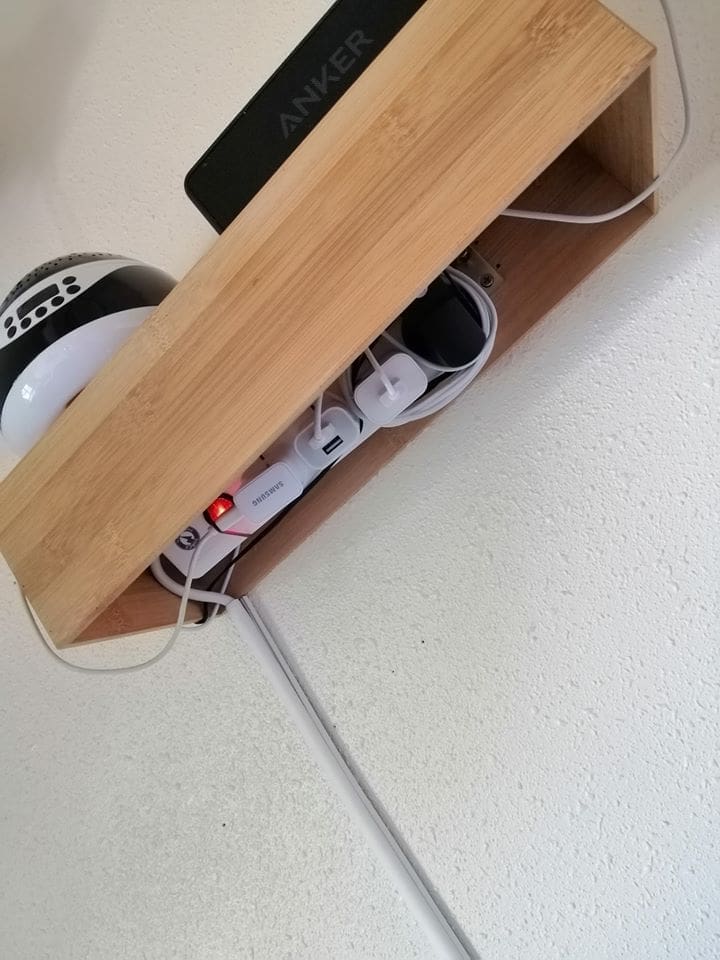
Many families now have phones, tablets, laptops, headphones, watches, and gaming devices charging every day. That means cords and power boards can pile up quickly.
A simple check can help. Look for cracked cords, warm plugs, loose connections, or power boards sitting under rugs or furniture. Avoid charging devices on beds, couches, or soft surfaces where heat can build up.
It is also worth asking whether every device needs to stay plugged in overnight. Some things can be charged during the day and unplugged before bed.
Heating risks rise in colder months
During the cooler months, heaters can pose a risk if they’re placed near beds, lounges, curtains, towels, or clothes racks. In a busy home, things can get moved closer without anyone thinking about it.
A good rule is to keep space around any heat source. Do not dry clothes over heaters. Do not leave portable heaters running when no one is nearby. And make sure cords are not damaged or stretched across walkways. Small changes like these can make a home safer with minimal effort.
Smoke alarms still matter
Even with careful habits, accidents can still happen. That’s why working smoke alarms remain one of the most important fire safety measures in any home. As Darren Klemm told ABC News, “The number one thing people can do to stop themselves becoming a victim of an accidental fire is to make sure they have working smoke alarms.” They provide an early warning, especially at night when everyone is asleep.
For homeowners who want to understand the basics beyond everyday habits, learning more about home fire safety can help make the next step clearer.
The aim is not to make people worry about every appliance or cord in the house. It’s to help them notice the things that are easy to overlook.
A quick home check can help
A simple walk through the home can show where small risks may have crept in.
Fire hazards to look for:
- power boards with too many plugs
- chargers left on beds or couches
- heaters close to fabric
- lint in the dryer
- items stored near cooktops
- damaged cords or loose plugs
- candles near curtains or clutter
- appliances left on when not needed.
This doesn’t need to take long. A few minutes can make a difference.
Small habits protect the home
Home fire safety doesn’t need to feel complicated. It can be as simple as clearing the stove area, unplugging devices, cleaning the dryer filter, moving a heater, or testing an alarm.
The key is paying attention before there is a problem. Small risks are easy to miss because they become part of normal life. But once homeowners know what to look for, they are easier to fix. A safer home often starts with noticing the everyday things sitting right in front of you.