
The first step towards creating a better sleep environment is to focus on the parts of the bedroom closest to your body and senses: mattress support, bedding, temperature, light, sound, air quality, layout, and evening habits. A complete makeover is rarely necessary for a better night’s sleep. Most of the time, a series of small, considered changes in the bedroom can make the space cooler, darker, quieter, cleaner, and easier to relax in.
This approach also reflects guidance from the CDC, which recommends keeping the bedroom quiet, relaxing, and cool, as well as turning off electronic devices at least 30 minutes before bedtime. Mattress support is one part of this wider setup, so comparing options such as OneBed mattresses may be helpful when considering how the bed affects comfort and sleep quality.
Related article: Elevate your space with the ultimate guide to bedroom feature walls
Related article: 10 ways to create a luxurious hotel-style bedroom at home (designer tips you can actually do)
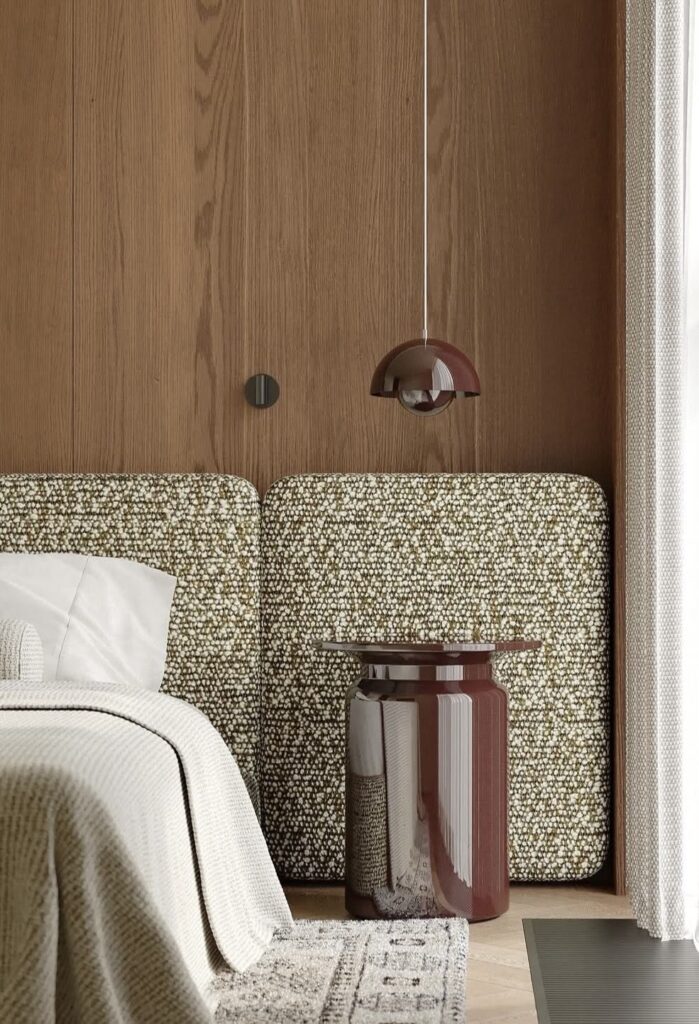
How to create a better sleep environment without redoing the whole room
A useful starting point is to think of the bedroom as a sleep system rather aesthetics alone. The mattress supports the body, while bedding affects warmth and texture. Lighting signals whether it is time to remain alert or begin slowing down, and sound, air quality, and clutter can determine whether the mind continues scanning its surroundings or starts to settle.
Better sleep also depends on everything around the mattress. Choosing quality bedding, breathable sheets, the correct pillow height, and a season-appropriate quilt can all affect how comfortable the room feels during the night.
A common mistake is to purchase one supposed solution while overlooking the rest of the setup. Even a comfortable mattress may feel unpleasant beneath heavy bedding that traps too much heat.
Quick bedroom audit before you buy anything
Stand at the doorway in the evening and check the room in this order:
- Is the room cooler than the living area?
- Can you see light under the door or around the curtains?
- Do you hear traffic, neighbours, pets, or devices?
- Does the bed support your body without pressure points?
- Are clean sheets, fresh air, and low clutter working together?
If two or more answers feel wrong, the room needs adjustment before it needs more styling.

7 bedroom changes that improve sleep
1. Set the bedroom temperature for deeper rest
One of the most important factors for better sleep is temperature, as the body naturally cools down during sleep. The Sleep Foundation says that about 18°C is a good sleep temperature for adults but there’s also a personal element.
The ideal setting in an Australian home may vary between seasons depending on insulation, humidity, and the weight of the bedding. One simple test is to lower the room temperature by a few degrees for three nights and observe whether you wake less often.
| Bedroom issue | Likely cause | Better change |
| Waking sweaty | Bedding too warm or poor airflow | Use lighter layers and breathable sheets |
| Cold feet, warm torso | Uneven bedding | Add a foot blanket instead of heating the whole room |
| Dry throat overnight | Air too dry or stale | Air the room earlier and check ventilation |
Micro-test: for three nights, keep the same bedtime and bedding, but adjust only the room temperature. If sleep improves, keep that setting for one week before changing anything else.
2. Make the room darker before bedtime
Light plays an important role in regulating your body’s sleep-wake cycle. Even small sources of artificial light can make it harder to wind down, particularly if your bedroom isn’t otherwise dark.
At bedtime, turn off the lights and give your eyes about a minute to adjust. You may be surprised by how many small light sources become noticeable, from standby lights on the TV and charging devices to hallway light spilling under the door or streetlights filtering through the curtains.
Useful fixes include:
- blackout curtains or block-out blinds
- warm, dim bedside lighting
- covered standby lights
- phone charging outside the bedroom
- a door draft stopper if hallway light leaks in.
We often talk about the importance of ambient lighting in the home and the bedroom is no exception. Swap harsh cool white bulbs for warm white globes to create a softer, more relaxing atmosphere.

3. Choose a mattress that supports your sleep position
A suitable mattress should help maintain the natural alignment of the spine while reducing pressure around the shoulders, hips and lower back. According to the Sleep Foundation, mattress preferences can vary according to body weight, sleeping position and preferred firmness. Research also suggests that replacing an older mattress may improve sleep quality for some people.
Side sleepers often need more pressure relief around the shoulders and hips. Back sleepers generally benefit from balanced support through the lower back. Stomach sleepers may prefer a firmer surface that prevents the hips from sinking too deeply.
| Sleep position | What to look for | What can go wrong |
| Side | Pressure relief and contouring | Shoulder or hip soreness |
| Back | Medium support and even weight spread | Lower-back dipping |
| Stomach | Firmer support | Neck strain or hip sinking |
The same mattress can feel soft to one person and firm to another, depending on body weight, pillow height, and bedding layers.
4. Build bedding in layers
Bedding should be easy to adjust during the night. A single heavy quilt offers limited control, while several lighter layers make it easier to regulate warmth without fully waking or leaving the bed.
A practical sleep setup may include a fitted sheet, a breathable top sheet, a quilt and an additional throw at the foot of the bed. When one partner sleeps warmer than the other, separate top layers may help both people remain comfortable.
A useful rule is to pay attention to what happens when you wake during the night. When you regularly need to throw all the covers aside, the bedding is probably too warm. Lighter layers provide more control.
Layering also makes seasonal changes easier. During summer, a breathable sheet and lightweight quilt may be enough. In winter, add layers to the bed rather than overheating the entire room.
5. Reduce disruptive sound without making the room feel clinical
A peaceful bedroom is generally more suitable for sleep. Sudden sounds can interrupt rest, while persistent background sound may contribute to lighter sleep or brief periods of waking, according to the Sleep Foundation.
Begin by addressing the source. When sound enters through a window, heavy curtains and soft furnishings may help absorb it. Remove ticking clocks, buzzing devices, chargers and pet bowls when they regularly disturb the room.
Some sleepers find white sound helpful because it masks abrupt changes in the surrounding environment. A fan may have a similar effect while also improving airflow. The aim is not to create a perfectly silent room, but to reduce sharp and unpredictable interruptions.

6. Clean the sleep zone, especially fabrics
Dust, pet hair, body oils, and stale fabric can make a bedroom feel heavy. They may trigger allergies, too. Sleep Foundation recommends sheets to be changed at least once a fortnight, or once a week if you have a pet or are a heavy sweater.
A practical cleaning cycle:
- Wash sheets weekly or fortnightly.
- Air pillows and quilts in indirect sunlight when possible.
- Vacuum under the bed, not only around it.
- Wipe bedside tables so dust does not collect near your face.
- Keep laundry baskets outside the sleep zone if space allows.
This is one of the least glamorous bedroom changes, but it is often the one people feel first.
7. Remove “awake” cues from the bedroom
A bedroom may look calming while still encouraging the mind to remain active. Work laptops, unpaid bills, bright screens, exercise equipment and crowded bedside tables can all act as reminders to answer messages, complete tasks or check something before sleeping.
The National Institute of Environmental Health Sciences (NIEHS) has discussed how environmental factors such as poorly timed light exposure, noise and extreme temperatures can affect sleep duration, quality and timing. It also notes that morning sunlight and access to green spaces may support healthier sleep patterns.
Give the bedroom one main purpose: sleep. Reading a calm book before bed may help some people unwind, but working, eating or scrolling through a phone in bed can make it harder for the mind to associate the space with rest.
Better sleep environment checklist
Use this checklist before spending money on new furniture or styling pieces:
- keep your bedroom cool and well ventilated
- block outside light with quality curtains or blinds
- use warm, ambient lighting in the evening instead of harsh overhead lights
- choose comfortable bedding that can be layered as the seasons change
- keep bedside surfaces tidy to create a calmer, more relaxing space
- minimise distractions by charging devices outside the bedroom where possible
- wash sheets regularly and air out the room to keep it feeling fresh.
If you do most of these points, you already have the base for a better sleep environment. If it fails several, start with temperature, light, and bedding before changing paint colours or furniture.
Your bedroom should be more than just a beautiful space — it should be somewhere you genuinely enjoy unwinding at the end of each day. By layering thoughtful lighting, comfortable bedding, clever storage and a calming colour palette, you can create a room that’s both stylish and restful.