
If you’re planning a kitchen renovation in 2026, expect to see spaces becoming warmer, more personalised and far more design driven than the all-white kitchens that dominated the past decade.
From natural timber cabinetry and bold colour choices through to hidden appliances and statement stone, today’s kitchens are embracing bolder materials and more considered design.
To help inspire your next renovation, we’re sharing 7 of the biggest kitchen design trends shaping homes in 2026.
Related article: Choosing the right marble for kitchens and bathrooms
Related article: Beyond the island: Unexpected kitchen-adjacencies that add value
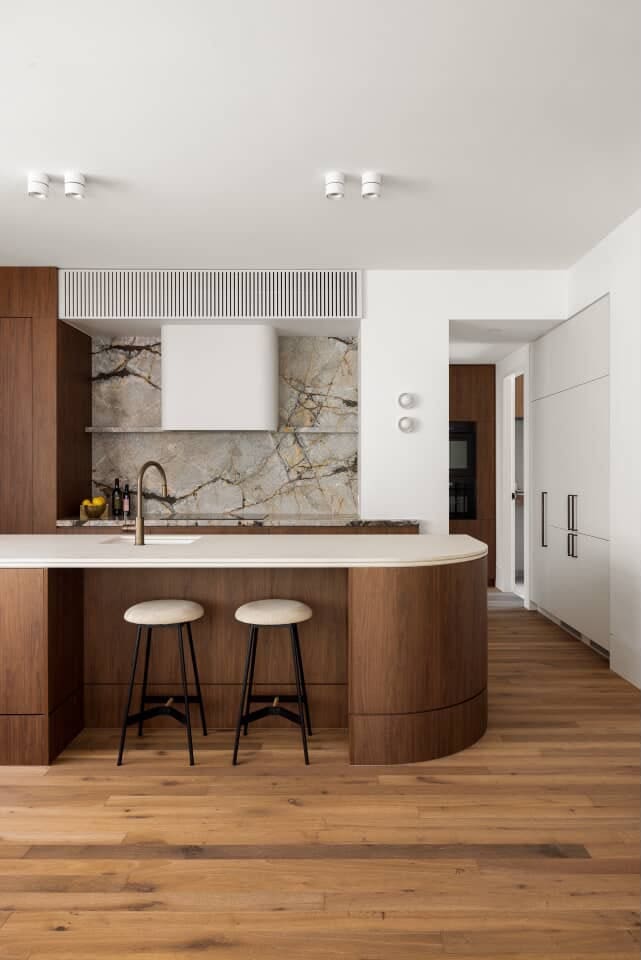
1. Natural wood cabinetry is leading the way
For years, white kitchens dominated interior trends.
“We’ve definitely noticed a strong shift towards natural wood cabinetry and timber veneers over the past 6–12 months, particularly as homeowners move away from stark white kitchens and embrace warmer, more organic finishes,” says the team at QN Designs, kitchen renovations Perth specialists.
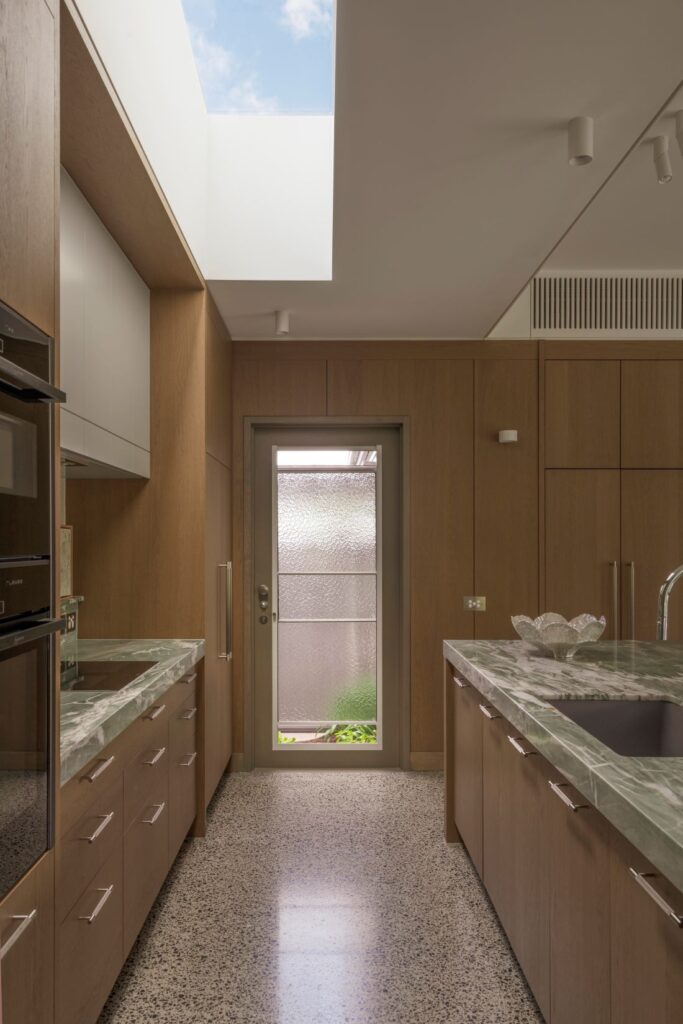
Rather than the orange-toned timber kitchens of the ’90s, today’s designs lean into refined timber finishes such as walnut, light oak and softly stained natural wood tones.
These warmer finishes instantly bring depth and character into a kitchen while pairing beautifully with organic materials like travertine, textured tiles and natural stone benchtops.
“We’re especially seeing homeowners embrace everything from pale oak cabinetry through to rich chocolate walnut tones. However, the heavily yellow undertones once associated with honey oak kitchens are definitely being left behind.”
2. Bold colour cabinetry is replacing safe neutrals
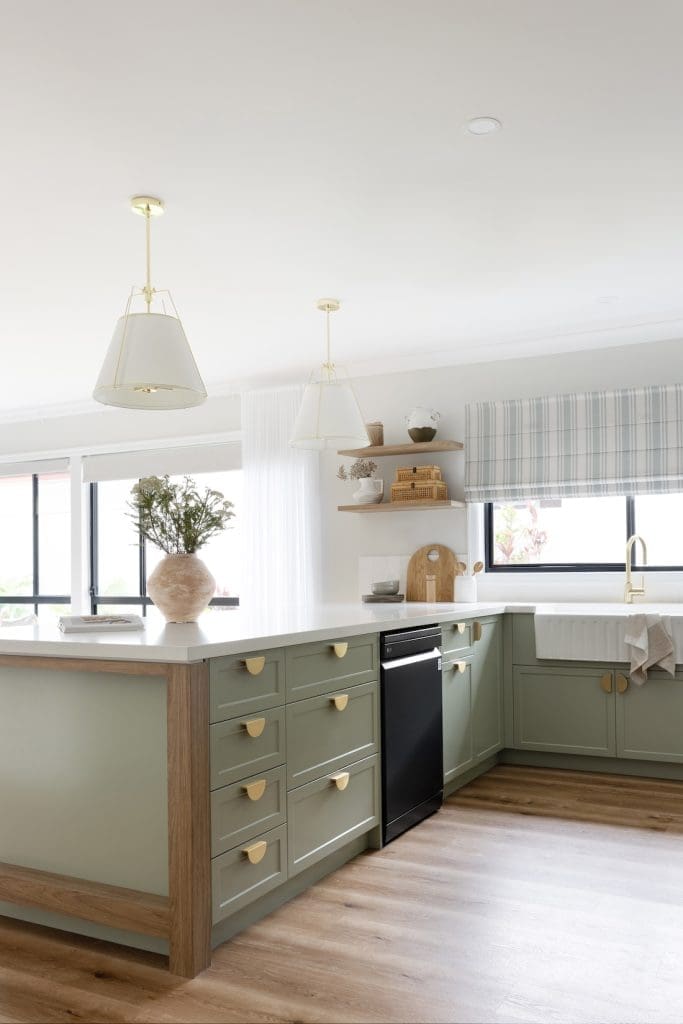
While timber tones are making a huge comeback, 2026 is also shaping up to be the year homeowners become more confident with colour in the kitchen.
Rather than limiting colour to a splashback or island bench, designers are increasingly embracing full walls of coloured cabinetry in rich, moody tones such as deep olive green, indigo blue and warm earthy hues
These bolder colours work especially well when balanced with natural materials like timber, travertine and textured stone. The result feels layered, warm and far more personalised than the all-white kitchens that previously dominated.
If committing to a fully coloured kitchen feels overwhelming, consider introducing colour through a butler’s pantry, feature cabinetry wall or kitchen island before extending it throughout the space.
3. Mixed finishes are adding depth and personality
Perfectly matched kitchens are starting to give way to more layered and collected spaces.
One of the biggest kitchen design trends for 2026 is the use of mixed finishes across cabinetry, hardware and fixtures. Rather than using the exact same colour and finish throughout the entire kitchen, homeowners are mixing painted cabinetry with timber tones, combining different metals and introducing contrasting textures to create more visual depth.
For example, we’re seeing kitchens pair walnut cabinetry with natural stone, brushed brass tapware with black handles, and textured feature cabinetry against smoother finishes elsewhere in the space.
Even small details, such as a contrasting coffee station or statement pantry wall, can help break up large runs of cabinetry and make a kitchen feel more considered and custom designed.

4. Hidden appliances continue to dominate luxury kitchens
As kitchens become more design focused, homeowners are looking for ways to reduce visual clutter and create a cleaner, more seamless look.
One of the biggest shifts has been the rise of integrated and panel-ready appliances. Rather than allowing bulky appliances to interrupt the visual flow of the kitchen, many designers are concealing dishwashers, refrigerators and even microwaves behind cabinetry panels that blend seamlessly into the rest of the joinery.
This approach creates a much calmer and more cohesive aesthetic, particularly in open-plan homes where the kitchen is visible from living and dining spaces.
Integrated appliances also work beautifully alongside the warmer timber cabinetry and textured materials. It’s a design trick that helps the entire space feel softer and more refined.
5. Texture is bringing warmth back into kitchens
While sleek minimalist kitchens remain popular, many people are now looking for ways to make their spaces feel warmer and softer.
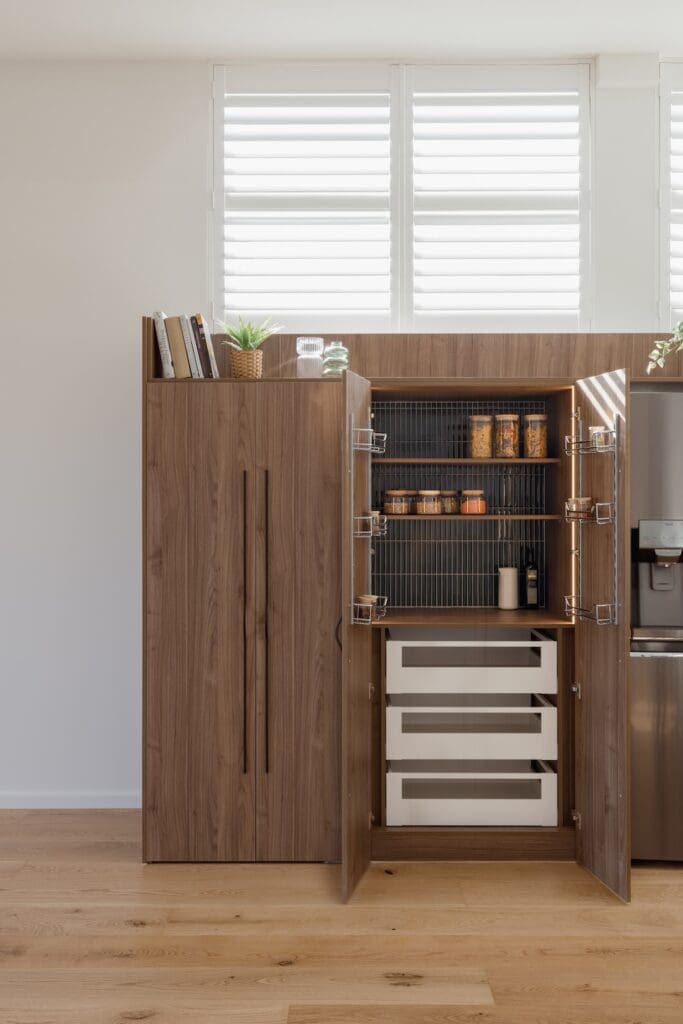
One of the easiest ways to achieve this is by layering texture and details throughout the kitchen. Fluted kitchen islands, handmade tiles, reeded glass cabinetry, vintage-inspired lighting and aged brass hardware are especially popular.
Textured surfaces help create depth and personality while making a kitchen feel more lived-in and welcoming. Handmade tiles in particular are having a real moment, with their subtle imperfections adding character and a more bespoke feel to a space.
Layering different materials such as timber, stone, tiles and textured lighting can also help create that effortless, high-end designer look.
6. Benchtops are becoming a hero design feature
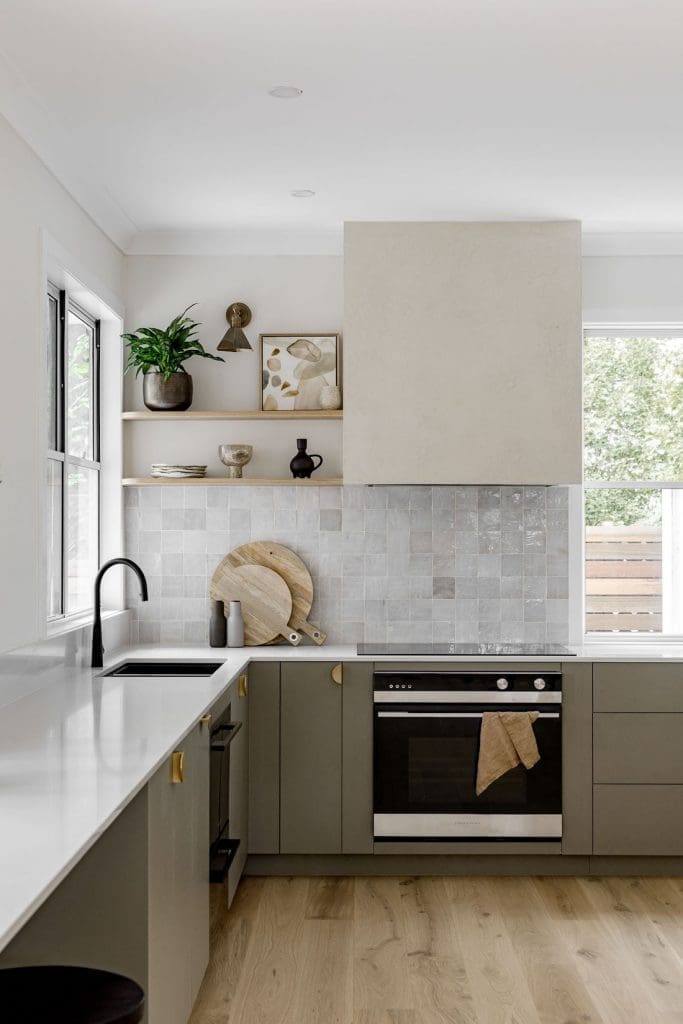
Benchtops are no longer just a practical surface for preparing meals. In 2026, they’re becoming one of the defining design features of the kitchen itself.
Rather than defaulting to plain neutral surfaces, many people are increasingly embracing statement stone with dramatic veining, rich movement and warmer undertones.
Materials such as marble, quartzite and natural stone are especially popular for creating a more elevated and luxurious look. These also pair particularly well with softer timber cabinetry and textured finishes.
We’re also seeing more designers use the benchtop material as the starting point for the entire kitchen palette. Choosing a feature stone early in the design process can help guide cabinetry colours, tile selections and hardware finishes. Having a strong anchor material creates a far more cohesive design.
Stone is no longer simply a background material — it’s becoming the focal point of the kitchen.
7. Kitchens are evolving into lifestyle spaces
Today’s kitchens are being designed for far more than cooking alone.
As the kitchen continues to become the true heart of the home, homeowners are creating dedicated zones that support their everyday routines and lifestyles.
Coffee stations, appliance cupboards, breakfast bars, integrated workspaces and even pet feeding areas are becoming increasingly common in modern kitchen design.
These purpose-built zones help improve functionality, making everyday feel more effortless. At the same time, they also makes kitchen feel more personalised and homely.
Rather than treating the kitchen as a purely functional room, designers are increasingly approaching it as a multi-purpose living space that supports entertaining, working, relaxing and daily rituals all in one.
Ultimately, the biggest kitchen trend for 2026 is creating spaces that feel both beautiful and genuinely enjoyable to live in.