
Air conditioning is one of those renovation decisions that quietly shapes how your home feels every day. Get it right, and your space feels calm, comfortable and effortless year-round. Get it wrong, and you’re left with uneven temperatures, intrusive noise and systems that visually compete with your interiors rather than supporting them.
In Australia, where hot summers, humidity and a mix of housing styles collide, choosing the right air conditioner is less about the biggest system on the market and more about thoughtful planning and well-considered choices. Here’s what to think about when selecting an air conditioning system that supports both comfort and the look of your home.
Related article: Interior designers share tips on building a Hamptons style home
Related article: Maximising your property’s potential: Benefits of building a granny flat
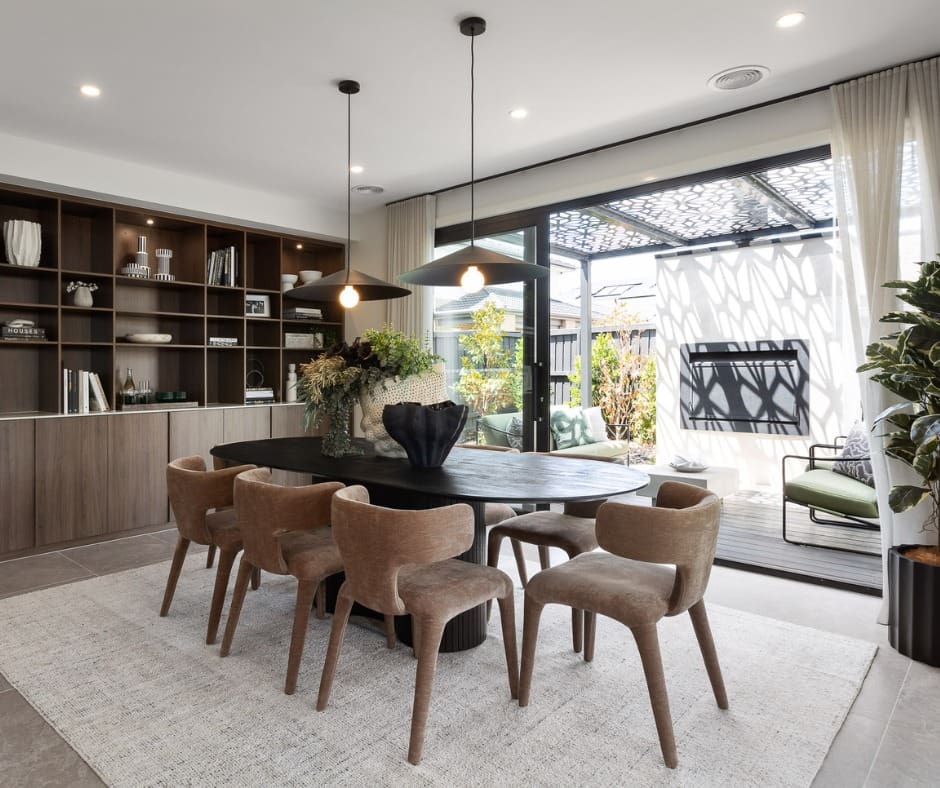
1. Choose the right size — bigger isn’t better
One of the most common mistakes homeowners make is assuming a larger unit will cool a room faster or more effectively. In reality, oversized systems often cycle on and off too quickly, which can lead to inconsistent temperatures, higher energy bills and unnecessary wear over time.
Instead, air conditioners should be sized according to:
- the room’s dimensions and ceiling height
- sun exposure and window placement
- insulation quality and the age of the home.
Bedrooms, for example, typically need smaller, quieter units, while open-plan living areas benefit from systems designed to maintain steady airflow over longer periods. A properly sized unit doesn’t just perform better, it creates a noticeably more comfortable home to live in and air conditioning specialists can recommend the best size for your space.
2. Invest in features you’ll actually use
Modern air conditioning systems offer an impressive list of features, but not all of them add value to everyday life.
Features worth prioritising include:
- inverter technology for quieter operation and consistent temperatures
- smart controls that allow you to adjust settings remotely
- high energy-efficiency ratings that reduce long-term running costs.
On the other hand, overly complex modes and excessive power for small or rarely used rooms often add cost without improving comfort. The most successful systems are intuitive, easy to use and quietly efficient, supporting daily life rather than complicating it.
3. Placement matters more than you think
Where you position an air conditioner is just as important as the unit itself, both performance and visual appeal.
From a comfort perspective, you want the unit to distribute air evenly rather than blowing directly onto beds or seating areas. You also want to avoid positioning the air conditioner close to a heat source, such as windows or appliances.
Design-wise, wall-mounted units work best when aligned with architectural features. If you have ceiling mounted or ducted systems, help to preserve clean sightlines in open plan spaces.
The best way to avoid disappointment and have a badly positioned unit is to plan early. When air conditioning is considered alongside lighting, joinery and furniture layouts, it feels intentional rather than an afterthought added once everything else is finished.
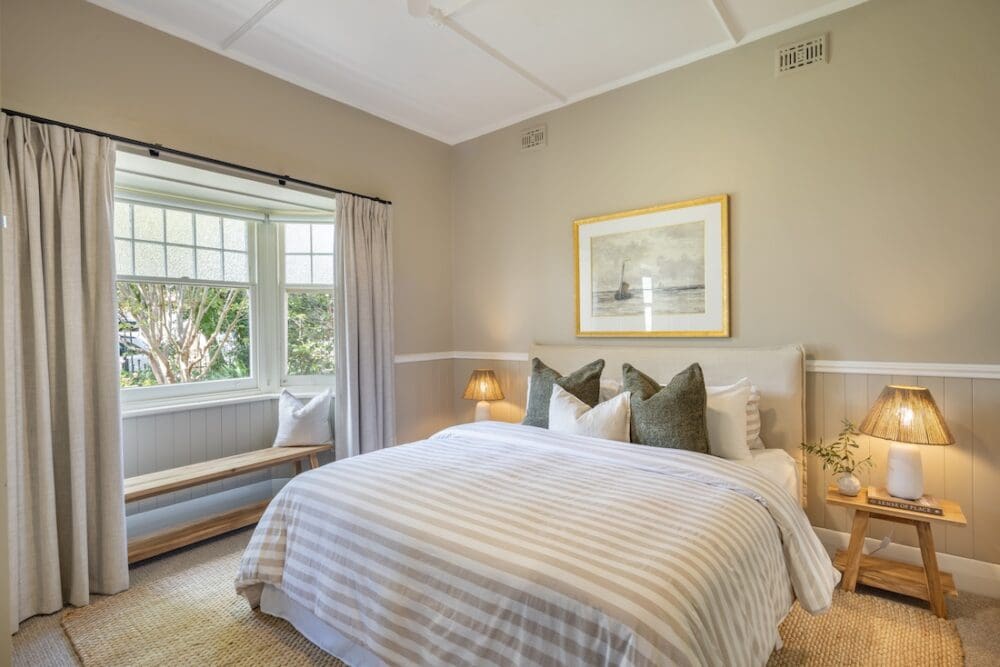
4. Make it visually disappear
Air conditioners don’t need to dominate a room. With thoughtful choices, they can blend seamlessly into your home’s overall aesthetic.
Design-forward strategies include:
- selecting low-profile or colour-matched units
- integrating ducted vents into ceiling lines
- using bulkheads or joinery to subtly conceal systems.
These subtle design decisions can make a huge difference, resulting in a space that feels clean, contemporary and calm.
5. Avoid these common homeowner mistakes
Before finalising your decision, it’s worth steering clear of these frequent missteps.
Common air conditioning mistakes to avoid:
- choosing a system based on price alone
- overlooking noise levels, particularly in bedrooms (also consider the lights on the system if it’s going in a bedroom)
- cooling unused spaces instead of zoning effectively
- leaving air conditioning decisions until after renovation plans are locked in.
Air conditioning works best when it’s part of the broader design conversation, not a last-minute addition. We hope these tips on how to choose the right unit for your home and thoughtful placement help you. Do you have any other questions we haven’t answered? Post it in the comments section below!