
You’ve spent hours collecting inspiration images, refining your floor plan and selecting the perfect fixtures and finishes. But just as important as the products you choose is who you trust to install them.
A skilled tradie can elevate your renovation and bring your vision to life. On the other hand, poor workmanship can leave even the most beautiful materials looking substandard and create costly problems that are difficult to fix later.
For many homeowners, hiring trades is the most daunting part of a renovation. After all, most of us can judge a paint colour or tapware style, but how do you know whether you’re choosing the right plumber, electrician or builder? The good news is that finding a great tradie isn’t about luck. With the right process, you can confidently find, vet and hire professionals who will help your renovation run smoothly and deliver a result you’ll love for years to come.
Related article: Elevate your space with the ultimate guide to bedroom feature walls
Related article: Smart electrical upgrades that add value to your home
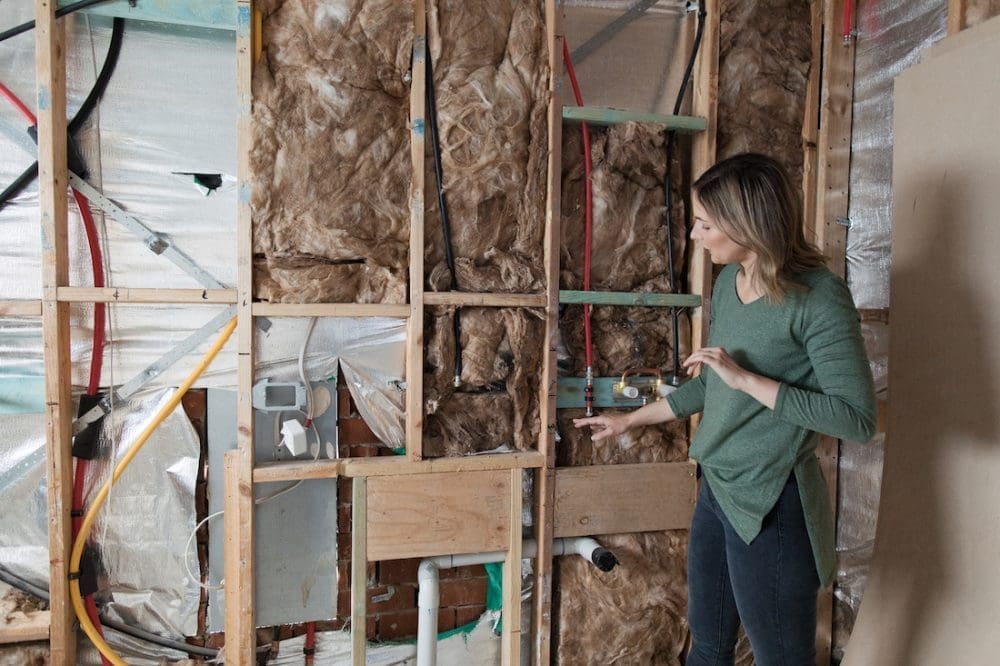
Get clear on the job before you call anyone
All successful renovation projects start with a clear brief, and the same applies when engaging a tradie. A well-defined brief helps every stage of the process, from obtaining accurate quotes through to ensuring the finished result matches your expectations.
Before reaching out to any trades, spend some time documenting exactly what you want to achieve. Be as specific as possible. Rather than simply saying “I want to renovate my bathroom”, break the project down into individual elements. For example, you may want to replace the floor and wall tiles, relocate the vanity, install a new shower, upgrade the exhaust fan and repaint the space.
It’s also helpful to gather inspiration images, measurements, product selections and a simple list of must-haves and nice-to-haves. The more information you can provide upfront, the easier it will be for trades to accurately price the work and identify any potential challenges before the project begins.
A clear brief will also help you understand which trades may be required. A bathroom renovation, for example, could involve a plumber, electrician, waterproofer, tiler and painter, all potentially coordinated by a builder. Knowing who you’ll need from the outset can make planning and scheduling far less stressful.
Where to find a local tradie
Start with the people you trust. Word of mouth is the most reliable signal in the renovation world, so ask friends, family and neighbours who have recently done similar work. A recommendation from someone who lived through the job, and is happy with the result, is the strongest lead you can get.
When your network runs dry, online directories are the natural next step, because they let you search by your suburb and the specific trade you need, then read reviews from real customers. Using a directory to find a local tradie means you can build a shortlist of several people in your area rather than pinning all your hopes on the one name you happened to be given. Aim to gather at least three candidates per trade so you have something to compare.
Social media and community groups can help too. Local buy, swap and sell or neighbourhood pages often have threads of recommendations, and you can usually see whether the feedback is genuine. Just remember that a single glowing comment is not the same as a consistent history of good work.
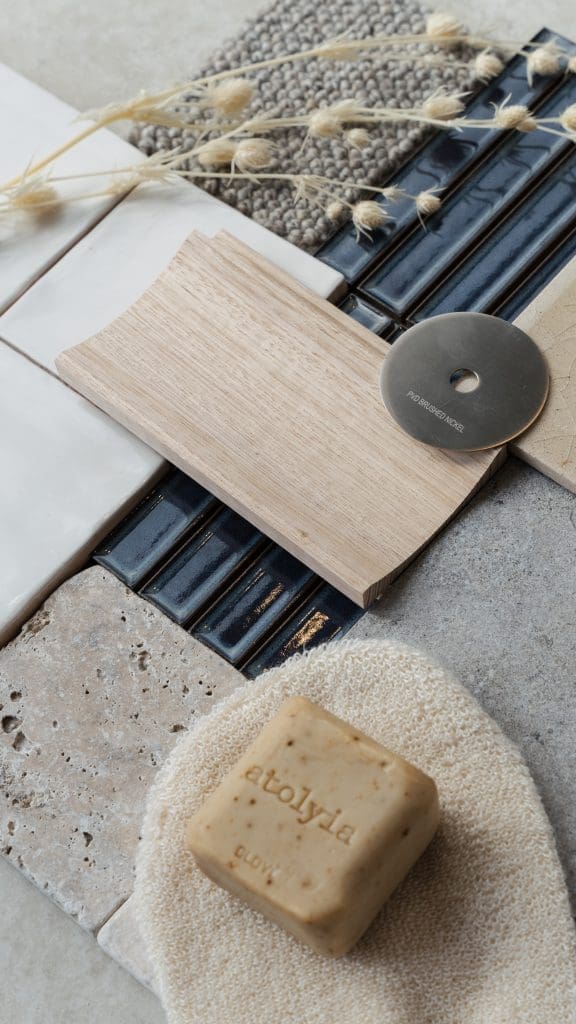
The vetting checklist that saves you grief
Once you have a shortlist, don’t jump straight to who is cheapest. A little vetting now prevents a lot of heartache later. Here is what to check for every tradie you are seriously considering.
Licences and registration
Many trades require a licence, especially anything involving electrical, plumbing, gas or structural work. Ask for the licence number and verify it with the relevant regulator in your state rather than just taking their word for it. That is Building and Energy in Western Australia, NSW Fair Trading in New South Wales, the Victorian Building Authority in Victoria and the QBCC in Queensland. A genuine professional will happily provide this. Anyone who gets cagey about it is telling you something important.
Insurance
Public liability insurance protects you if something goes wrong on your property, and for bigger jobs the right home indemnity or warranty insurance may be required by law. Ask to see current certificates and check that the dates are valid. It is a quick step that can save you enormous stress if an accident happens.
Recent, relevant work
Ask to see photos of completed projects, ideally ones similar in style and scale to yours. Better still, ask whether you can see a finished job in person or speak to the homeowner. A tradie who does gorgeous heritage restorations may not be your best fit for a sleek modern reno, and vice versa.
References you actually call
Ask for two or three recent customers and ring them. The most useful questions are not about the finished look. Ask whether the tradie turned up when they said they would, how they handled any problems, whether the final price matched the quote, and whether they would hire them again. Honest answers to those four questions tell you almost everything you need to know.

How to read a quote like a pro
When the quotes come in, resist the urge to simply circle the lowest number. The cheapest quote is often the one that left the most out, and those gaps become expensive variations once the work begins.
Look for a clear breakdown of labour and materials, and check that the quote actually references your specific job rather than a generic description. Watch for the word ‘provisional,’ which signals an estimate rather than a fixed price, and ask what happens if the real cost lands higher. A detailed, itemised quote is a good sign in itself. It shows the tradie has taken the time to understand your project, which is exactly the attitude you want once they are on the tools.
Be a little wary of any quote that is dramatically lower than the others. It usually means one of two things. Either they have misunderstood the scope, or they are planning to make up the difference later. Neither is the bargain it appears to be.
Get everything in writing
Before any work begins, make sure the agreement is documented. This does not have to be intimidatingly formal, but it should cover the scope of work, the total price or how it will be calculated, a payment schedule, and a rough timeline. In most states a written contract is legally required once the job passes a certain value, so check the threshold where you live.
Pay particular attention to the payment schedule. Be cautious about paying large sums upfront. A reasonable deposit followed by progress payments tied to completed stages is standard and protects both sides. And whenever the job changes, which it often does, agree the extra work and its cost in writing before it goes ahead. Verbal agreements about extras are the single most common source of renovation disputes.
Managing the job without driving everyone mad
Once work starts, your role is to stay involved without hovering. Agree at the outset how you will communicate, whether that is a quick daily message or a weekly catch up on site, and stick to it. Trades appreciate a client who is responsive and clear, and they tend to do their best work for people who are easy to deal with.
When something unexpected comes up, and on most renovations something will, try not to panic or make snap decisions. A common example is lifting old bathroom tiles only to find water damage or rot underneath, which was impossible to quote for in advance. Ask for the options, understand the cost and timeline impact, and then decide calmly. Keep a simple record of any changes you agree to. And resist the temptation to keep tweaking the design once the work is underway, because every change ripples out into cost and time, and often affects other trades you had not thought about.
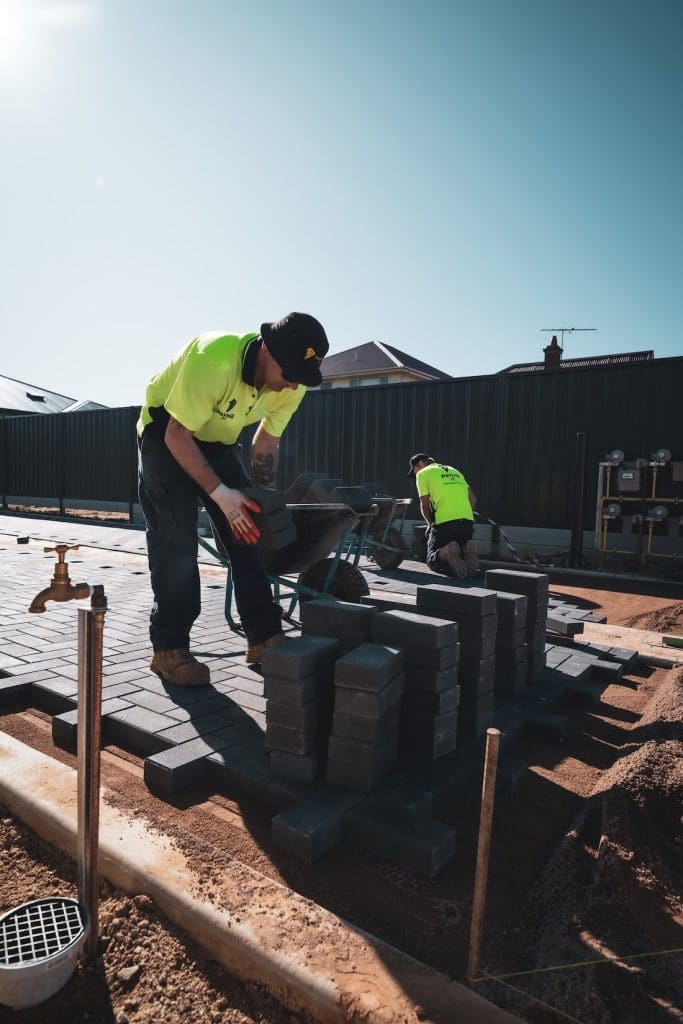
Warning signs worth taking seriously
Most tradies are honest professionals, but a few patterns should put you on alert. Be cautious of anyone who pressures you to decide on the spot or pushes a deal that is only available today. Good trades have plenty of work and do not need to strong arm clients into committing.
Be wary too of a reluctance to put anything in writing. If someone resists giving you a written quote, dodges questions about licensing or insurance, or wants a large cash payment up front, treat those as serious signals rather than minor quirks. A request for a hefty deposit before any work has started is a particular concern, because it leaves you exposed if the job stalls or never begins. Vague answers, difficulty pinning down a start date, no fixed business details, and reviews that all sound suspiciously similar can all point to an operator worth avoiding. If something feels off during the quoting stage, when the tradie is supposedly on their best behaviour, it rarely improves once the work and your money are committed.
Questions worth asking before you sign
A few well chosen questions can tell you a lot about who you are about to hire. Ask how long they have been doing this kind of work and whether they have done jobs like yours recently. Question who will actually be doing the work, since the person quoting is not always the person on the tools, and whether they use subcontractors. Ask how they handle unexpected problems and extra costs, and how they will keep you updated as the job progresses.
It’s also important to ask about their availability and timeline honestly. Because a tradie who is booked solid for months may not suit an urgent job. And one who can start tomorrow with no notice in a busy market is worth a second look. Finally, ask what happens if you are not happy with something. A confident professional will have a clear answer and will not be rattled by the question.
Be realistic about timing
Many homeowners underestimate how far in advance good tradies book out. In a busy market, the best people often schedule work weeks or even months out. And the ones who can start tomorrow with no notice are sometimes the ones with the least work for a reason. If you have your heart set on a particular tradie, it pays to plan around their availability rather than expecting them to drop everything.
Build some breathing room into your timeline too. Renovations almost always take a little longer than the optimistic version in your head, partly because materials can have lead times and partly because surprises hide behind walls and under floors. By building extra time and money into your renovation plan, you can turn unexpected setbacks from major headaches into manageable bumps in the road.
The relationship is worth keeping
Here is something experienced renovators know. A great tradie is a genuine asset, and the relationship should outlast the project. Homes need ongoing maintenance, things break, and most of us renovate more than once over the years. A reliable plumber, electrician or builder who already knows your home saves you the whole search next time.
So treat the people who work on your home well. Pay on time, be clear and reasonable, respect their expertise and tell them when you are happy with their work. Word travels fast in the trades, and clients who are organised and fair tend to find that the best people are happy to come back.
Bringing it all together
Hiring a tradie for your renovation does not have to feel like a gamble. Start with a crystal clear brief so everyone knows exactly what is being built. Gather a shortlist through recommendations and directories. Vet each candidate properly on licences, insurance, past work and references. Read the quotes carefully rather than chasing the lowest number, and get the agreement in writing before anyone lifts a tool.
Do that groundwork and the rest of the project becomes so much smoother. You will spend less time worrying and more time enjoying the part you were excited about in the first place, watching those inspiration images slowly become the room you have been dreaming of.
We hope these tips help you find the right tradies and feel more confident tackling your next renovation project. A little planning upfront can save significant time, money and stress down the track. For more renovation advice, styling inspiration and practical home improvement ideas, subscribe to the Style Curator newsletter and have our latest articles delivered straight to your inbox.