
Supported by The Plants Corner
Indoor plants have long been used to bring colour, texture and a sense of calm to interiors. But did you know artificial plants can deliver many of the same visual benefits? And right now, the trending indoor plant has got to be olive trees.
There’s a reason faux olive trees have become one of the most popular styling pieces in home decorating. Their soft silvery-green leaves, organic shape and Mediterranean feel bring warmth and texture to a room without the maintenance real plants require. But not all faux plants are created equal.
We’ve all seen artificial trees that look overly shiny, perfectly symmetrical or obviously plastic from the moment you walk into a room. The best faux olive trees are the ones that blur the line between real and artificial — adding softness and life to your home in a way that feels elevated rather than fake.
So how do you choose a realistic faux olive tree and style it so it genuinely looks beautiful in your home? Here are the styling tricks interior stylists swear by.
Related article: Luxurious simplicity: Contemporary Australian meets Mediterranean style
Related article: Inspiration gallery: VJ panel living room walls
1. Choose a faux tree with realistic trunks and natural movement
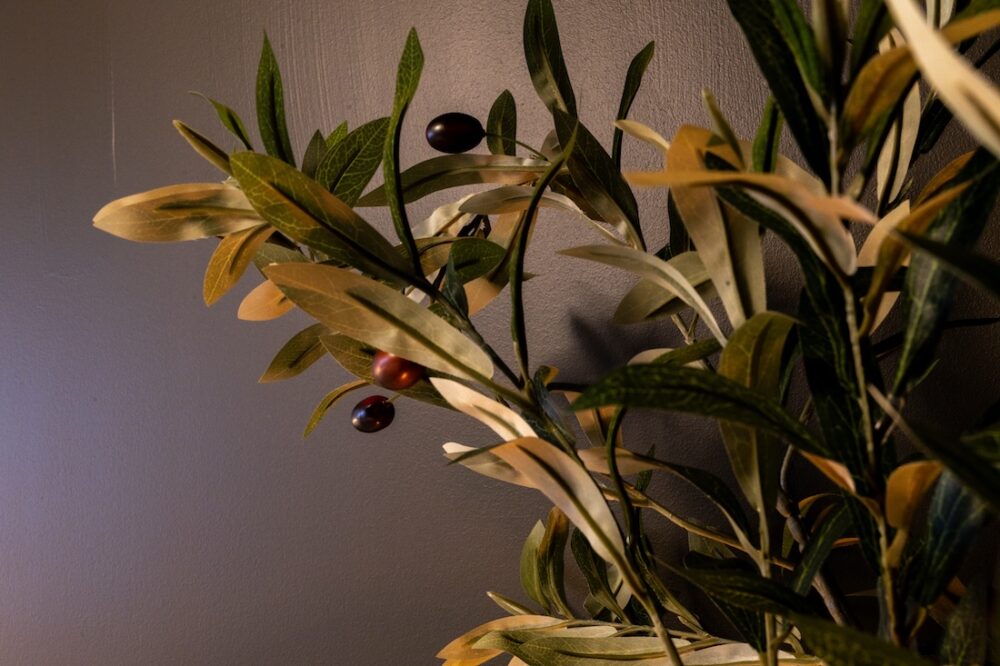
The trunk is often the biggest giveaway when it comes to artificial plants. The most realistic faux olive trees tend to feature natural-looking wood trunks, variation in branch shape and softer leaf colouring rather than uniform bright green foliage.
Another detail worth looking for is bendable branches. Being able to shape and reposition the branches makes a huge difference to how natural the tree looks once styled in your home.
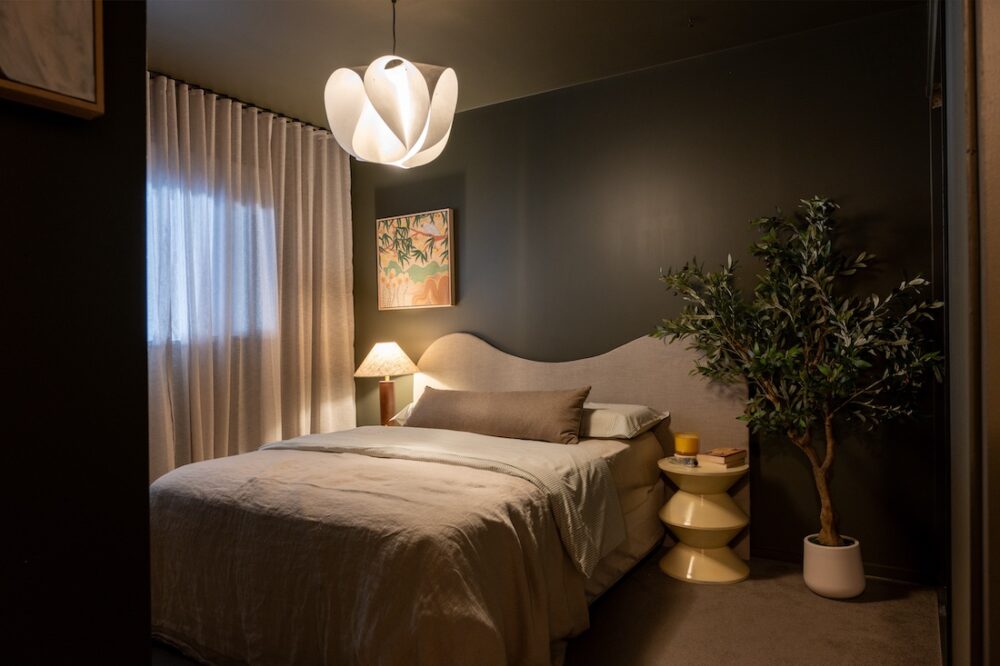
One of the most realistic faux olive trees we’ve come across is from Australian-owned brand The Plants Corner. It features a natural-looking trunk, irregular and bendable branches, and soft silvery-green foliage that closely mimics the real thing.
2. Spend time ‘fluffing’ the branches
Once you get your tree, don’t make the mistake of just taking it out of a box and putting it in the room. Much like faux Christmas trees benefit from ‘fluffing’, so too do artificial plants.
Most artificial plants arrive compressed for shipping, so taking a few extra minutes to gently separate, bend and shape the branches makes a dramatic difference.
Try to avoid making the tree look too symmetrical. Real olive trees naturally grow unevenly, with some branches sitting higher, lower or extending further than others.
Creating more movement and irregularity instantly helps the plant feel more convincing and relaxed within the space.
3. Style it in a beautiful pot
A styling pot can completely transform the look of an artificial tree.
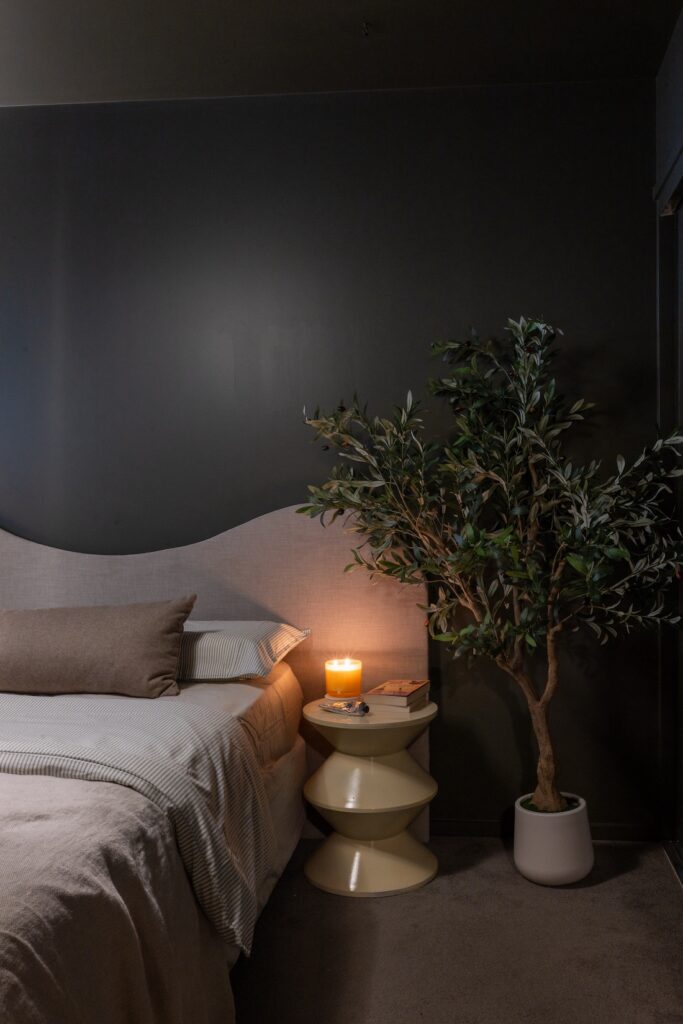
This beautiful faux olive tree we got from The Plants Corner came in a stylish pot with realistic artificial moss around the base but many come in a simple plastic nursery pot. If that’s the case, transferring it into a larger decorative planter instantly creates a more elevated and designer feel.
Right now, organic urn-style pots and textured stone-look vessels are especially popular for creating that warm Mediterranean-inspired aesthetic. However, faux olive trees can work equally beautifully in contemporary minimalist planters, depending on your broader interior style.
The key is choosing a pot that feels proportionate to the size of the tree and complements the rest of your finishes and materials throughout the room.
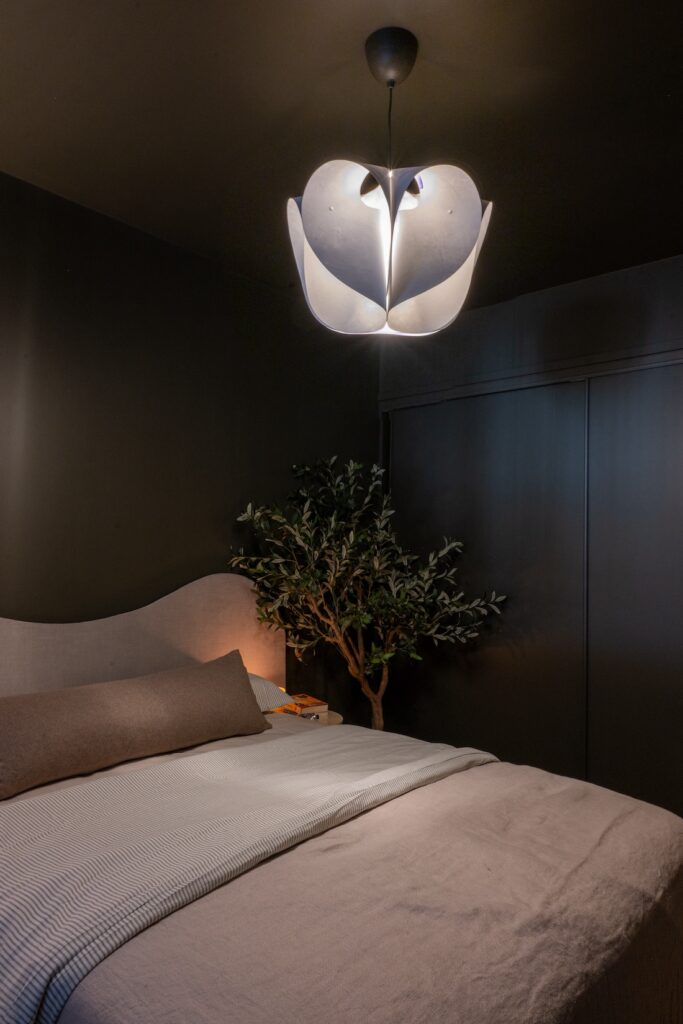
In our bedroom makeover, the pot that came with our olive tree feels perfectly proportioned to the space. If we were styling it in a large, open-plan living or dining space, however, we’d likely place it inside a textured ceramic planter to give it greater visual presence and so the foliage would be at eyelevel.
4. Disguise the base for a more realistic finish
One simple styling trick that makes faux plants look significantly more realistic is disguising the visible base of the tree.
Covering the top of the pot with coconut husk, bark, moss or natural pebbles helps soften that transition line and creates a more natural appearance.
This small detail adds texture and depth while helping the entire arrangement feel more believable and polished.
5. Position your faux olive tree where it adds softness
Faux olive trees work particularly well in corners that feel empty or visually flat.
Try styling one:
- beside a bed
- next to a buffet or console
- in an unused corner of the living room
- near sheer curtains where the leaves can softly catch the light
- beside a reading chair to create height and visual balance.
Because olive trees have a naturally airy shape, they soften harder lines and help a room feel layered without overwhelming the space.
How to clean and maintain faux olive trees
One of the biggest advantages of faux plants is that they require very little upkeep — but a little maintenance still goes a long way in keeping them looking realistic.
Dust regularly
Dust build-up is one of the fastest ways to make artificial plants look obviously fake.
Use a microfibre cloth, feather duster or hairdryer on a cool low setting to gently remove dust from the leaves and branches every few weeks.
Keep them out of harsh direct sunlight
While faux plants don’t need sunlight, prolonged harsh UV exposure can cause some artificial foliage to fade over time.
Positioning your faux olive tree in bright indirect light often helps it look more realistic while also protecting the foliage.
Reshape branches occasionally
Over time, branches can settle or lose shape slightly. Every few months, gently reposition and fluff the branches to maintain a more natural organic form.
Wipe leaves occasionally
If the leaves start to look dull, a gentle wipe with a damp cloth can help restore their fresher appearance.
More styling tips for decorating with faux olive trees
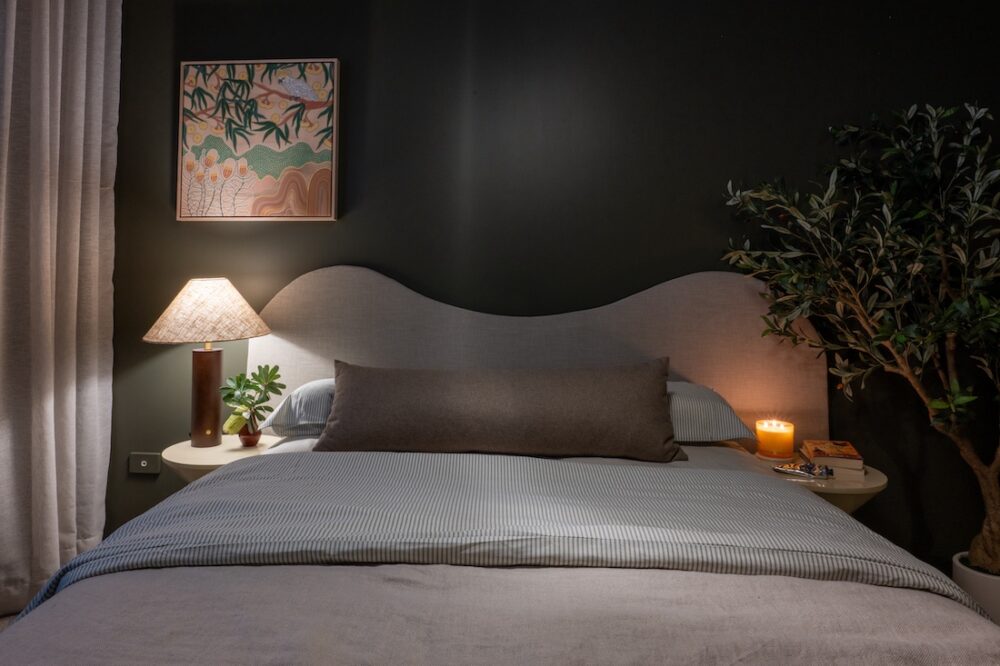
- Use odd-numbered groupings when styling nearby décor. Objects styled in odd numbers tend to feel more natural and visually balanced to the eye. On our bedside table, we’ve used an arrangement of candle, books and hand cream
- Pair olive trees with natural materials such as timber, linen and stone to lean into the rustic, earthy aesthetic
- Avoid overcrowding the base with too many decorative objects. The tree needs ‘breathing room’ to shine
- If you can, position it near natural light to create realistic shadows and movement. Ours is in a darker room where a real plant wouldn’t survive and still looks great with the soft shadows of the ambient lighting
- Choose a tree size that suits the scale of the room. No one wants a twig-like tree filling a vast empty corner. If in doubt, always size up.
Faux olive tree FAQs
Whenever we mention styling with artificial trees, we get A LOT of questions so let’s save some time and cover them off now.
Do faux olive trees look realistic?
Short answer is, it depends. Quality varies significantly between brands.
Yes, you can find high-quality faux olive trees that look remarkably realistic, particularly when you find one with the features we mentioned (trunk with natural irregularity, bendable branches etc).
Where is the best place to put a faux olive tree?
Living rooms, bedrooms, entryways, dining rooms and empty corners are all ideal locations where a faux olive tree can add height and softness. Be mindful of sunlight and avoid positioning it in a spot that gets direct sunlight for most of the day.
How do you make faux trees look more realistic?
Fluff the branches, style in a decorative pot, cover the base with coconut husks or pebbles and keep it dust-free.
How often should you clean your faux olive tree?
A quick dust every few weeks is usually enough to keep it looking fab.
Whether your style leans Mediterranean, contemporary or classic, a faux olive tree is one of the easiest ways to introduce softness, height and organic texture to a room. By choosing a realistic design and taking a little time to style it well, you’ll create a feature that looks beautiful year round – sans the maintenance or watering schedule!