Supported by Z-Furnishing
When you hear the word ‘recliner’, do you immediately think of those bulky and often visually heavy reclining armchairs from previous decades? You’re not alone! For the longest time, the design style, shapes and colours of reclining armchairs remained pretty consistent… and not in a good way. It gave recliners a bad name of being outdated but thankfully that’s changing. Today we’re sharing how the new generation of recliners have reimagined comfort seating.
Whether you’re looking for a new piece for your living room, media room, or a cosy nook in your home, let’s talk about how streamlined silhouettes and modern colourways are just some of ways contemporary recliners have become more compatible with modern homes and design-conscious consumers.
Related article: Painted living room bookshelf ideas: Colours, finishes, styling tips
Related article: The 7 kitchen design trends set to define 2026
1. Recliners are becoming visually lighter
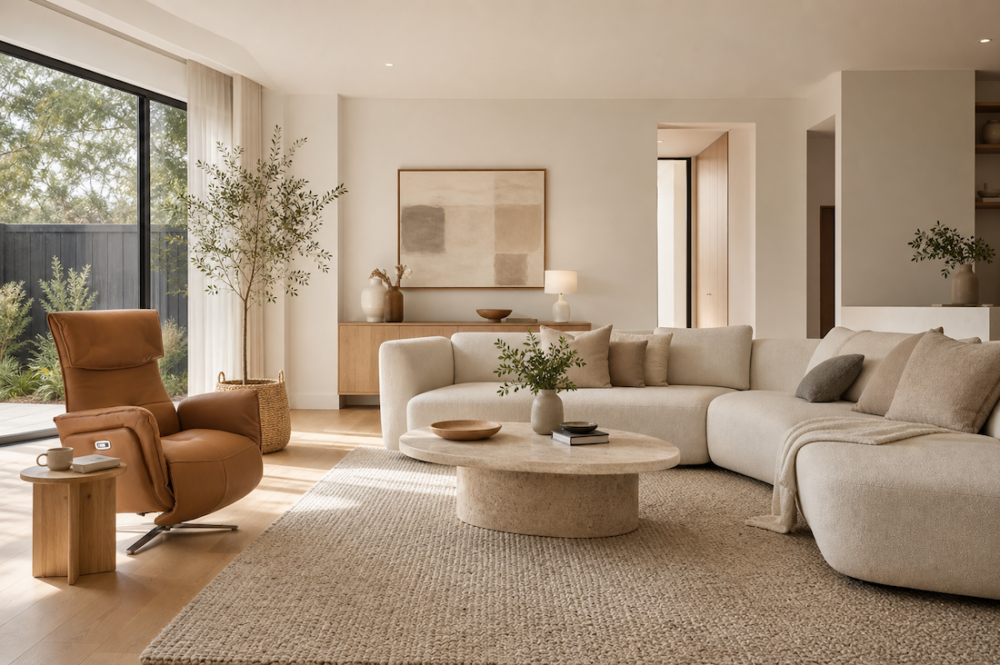
The shape and style of recliners hadn’t evolved much over 30 years. Traditional recliners were known for their bulky arm rests, heavy bases and overstuffed proportions. One of the most important design evolutions of recliners is how they have become visually lighter. Newer designs have much slimmer profiles, sculptural curves and even slim, swivel bases.
In fact, some new recliner styles more closely resemble iconic Scandinavian furniture than traditional lounge recliners. This can make them a comfy seating option in areas where recliners weren’t typically a good fit, such as in an apartment or seating nook.
“We noticed customers increasingly wanted comfort seating that felt more naturally integrated within contemporary homes, rather than feeling like a separate category of furniture. That shift strongly influenced the direction of our Copenhagen design,” say the team at Z-Furnishing.
“Designs such as the Lysa Recliner also reflect this softer contemporary direction, with more relaxed proportions and cleaner silhouettes suited to modern interiors.”
2. On trend colour palettes
Other than shape and style, the other main reason recliners haven’t always been favoured by home decorators was the limited range of colours.
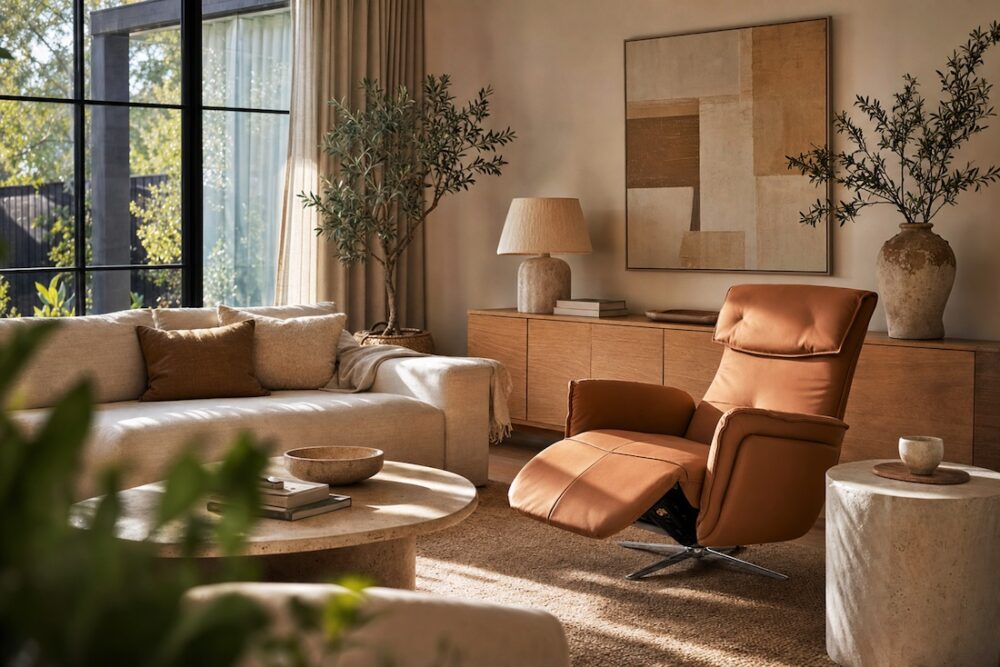
As interior trends have shifted to become warmer and earther, it’s exciting to see modern recliners expanding into an array of colours to complement. From earthy neutrals like oatmeal and caramel, trending tones like muted blush, and even vibrant colours like red and yellow. These partner beautifully with materials like travertine and darker marbles which are having a real moment in design.
If you’re styling a recliner in an open-plan living space, choosing a colour that ties into your rug, artwork or dining chairs can help it feel cohesive in the room rather than visually separate.
So if you thought a recliner had to be a big black bulky chair in your living room, think again.
3. Suiting inclusive seating arrangements
As interior stylists, the biggest change of the new generation of recliners is how they can now integrate into modern living rooms. Australian homes often favour inclusive seating arrangements, with sofas and armchairs positioned in L- or U-shaped layouts that encourage conversation and connection. But in the past, the sheer size of recliners meant they dominated living rooms and generally didn’t allow for this type of connected seating arrangement.
Many modern recliners now share the same footprint as a standard armchair, making them much easier to incorporate into modern living spaces. You can get lounge level comfort and a statement armchair aesthetic in one, so you no longer have to choose between comfort and style.
4. Wellness is becoming part of furniture design
Ultimately at the end of a long day, most of us want to kick off our shoes and properly unwind in a comfortable space. And while there’s no shortage of affordable sofas and armchairs on the market, they often lack proper structure and support, meaning they can quickly become uncomfortable or lose their shape over time.
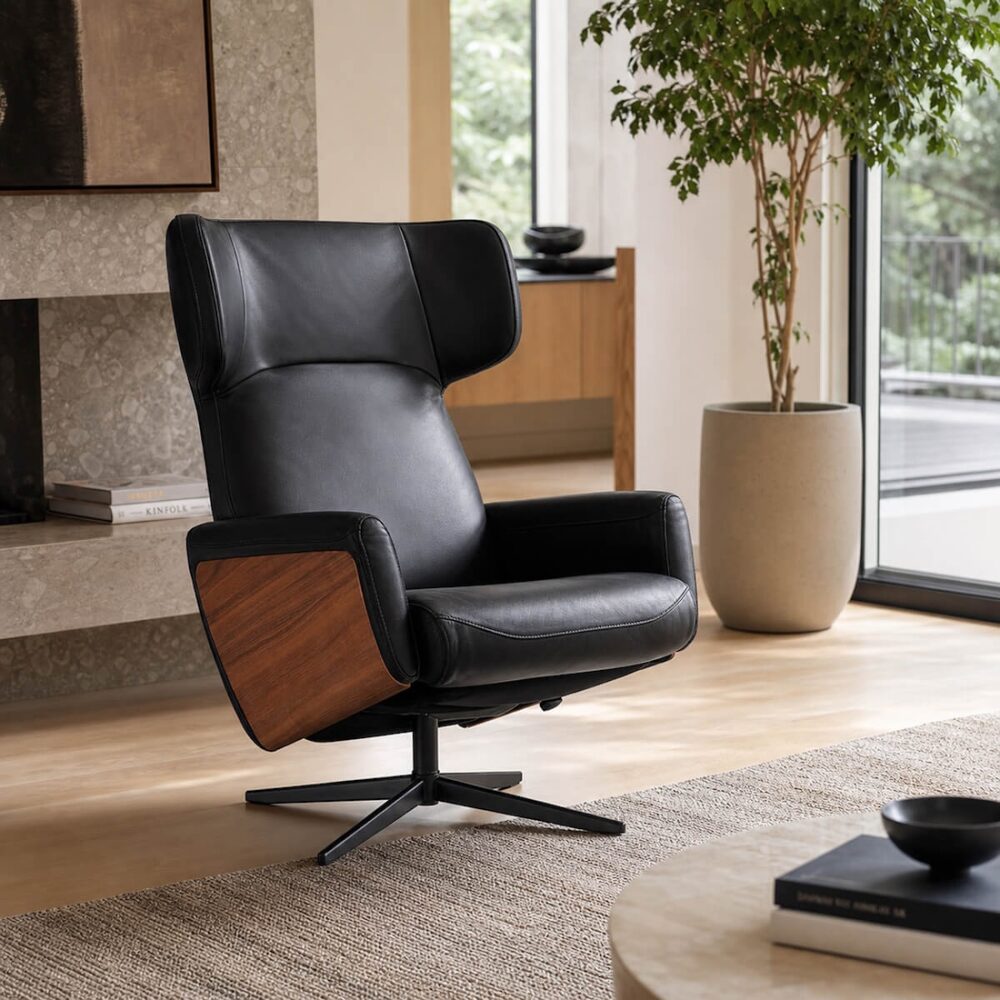
The new generation of recliners is shifting the focus from simply ‘soft seating’ to supportive seating. Features like ergonomic neck support, adaptable reclining positions and pressure reduction can make a noticeable difference to how your body feels at the end of the day.
Whether it’s muscle soreness after the gym, long hours at a desk, or the general aches and stiffness of modern life, ergonomic seating is increasingly becoming part of a wellness-focused home.
“We’ve found customers increasingly expect furniture to support everyday wellbeing without compromising the overall look and feel of their homes,” say the team at Z-Furnishing.
5. Online options are making them more accessible
Traditionally, recliners came with a hefty showroom price tag. But the rise of online and direct-to-consumer furniture brands is making designer-style recliner chair seating far more accessible.
By reducing the overheads associated with large showroom networks, some furniture retailers are offering premium materials, contemporary designs and customisable options at a more approachable price point.
For homeowners who value both aesthetics and practicality, it means recliners are no longer reserved for dedicated media rooms or older-style interiors. They’re increasingly becoming part of thoughtfully styled living spaces too.
“We saw an opportunity to make contemporary recliner designs more accessible. Customers increasingly wanted furniture that combined comfort, aesthetics and quality materials, without feeling limited to traditional showroom-style options.”
The biggest shift in recliner design is that homeowners no longer need to choose between comfort and aesthetics. Whether styled in a media room, apartment living area or reading nook, modern recliners are proving that supportive seating can still feel elevated, contemporary and design conscious. You can explore the full range of Z-Furnishing recliners on their website, as well as their full collection of contemporary furniture.
More living room inspo