Get three builders to quote the same renovation and it’s entirely possible to end up with three numbers that are $30,000 apart. Same house, same rough sketch on a napkin, wildly different answers.
It’s tempting to think someone’s trying it on, or someone else is lowballing to win the job. Nine times out of ten, neither is true. Each builder has priced whatever they thought you meant, because ‘renovate the bathroom’ isn’t really a brief. It’s more of a mood.
The gap closes once a handful of decisions get made before anyone picks up the phone. Here are the seven that matter most, and they’re worth the extra half hour before you start calling around.
Related article: Expert advice on how to renovate a modern heritage home
Related article: Cork tile flooring and natural stone materials shine in this expertly renovated Edwardian house by Studio May
Words by Mary O’Loughlin
1. What’s changing, and what’s staying put
Move the kitchen from the back of the house to the old study on the side, and you haven’t just moved a kitchen. You’ve added new plumbing runs, new drainage falls, and possibly a shifted gas connection too. None of that shows up on a mood board, but it shows up in the quote, as the number that makes your stomach drop. Settle what’s actually moving before you settle on anything else.
2. What tier of finish you’re after
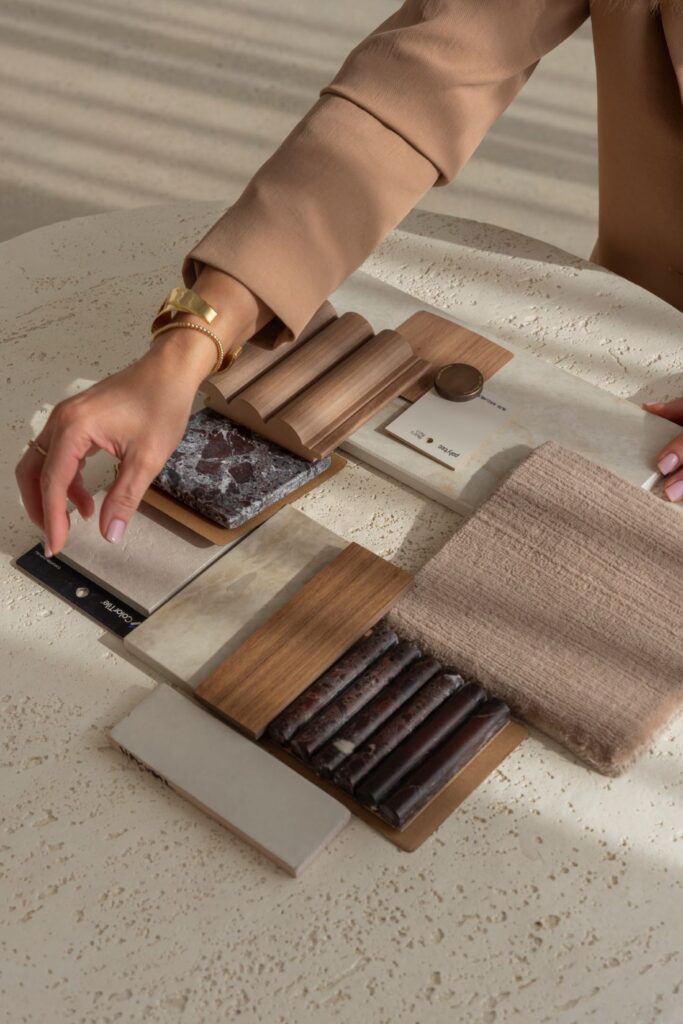
‘Nice kitchen’ can mean laminate cabinetry (think Polytec) with a laminate benchtop and chrome tapware, or it can mean 2-pack painted joinery, a 20mm engineered stone benchtop, and tapware in brushed brass or matte black. Builder A prices the first. Builder B prices the second, because that’s what’s in half their recent jobs. Neither is wrong. You just asked two different questions and called them the same one. Naming the actual category, even loosely (laminate versus stone benchtop, standard versus feature tapware) is enough to get every builder pricing the same job.
3. What’s fixed in your budget, and what has room to move
Every renovation turns up at least one surprise once the walls are open. Rotten framing, an old chimney breast nobody remembers, asbestos sheeting nobody thought to check for. A contingency of 10 to 20 per cent isn’t pessimism, it’s just arithmetic. Work out where that money would come from now, while you’ve still got time to plan for it, rather than while a builder’s standing around waiting on your answer.
4. What you’re supplying, and what the builder is sourcing
Appliances, tapware, light fittings, even door handles: decide who’s buying them before you ask for a quote. If the builder’s sourcing everything, they’ll price against an allowance (a provisional sum), and a provisional sum is really just an educated guess. Educated guesses vary wildly between builders. If you’re supplying items yourself, say so, and give real prices where you can. A $2,000 allowance for tapware from one builder and a $600 allowance from another isn’t two different opinions about your bathroom. It’s two different guesses about a number you could have just told them.
5. What your site can and can’t do
A single-lane laneway, a shared driveway, steep stairs up to a first-floor bathroom: all of it adds real cost before a single tile gets chosen. Skip bins, hand-carrying materials, maybe even hiring a hoist. If your site’s tricky, say so upfront, so every builder’s quoting for the access you’ve actually got, not the access they assumed.
6. Whether planning rules apply to you
Heritage overlays, easements, or adding a second storey can mean a planning permit’s needed before anyone can quote with any real confidence. Check with your local council early. It’s a much easier conversation to have now than after you’ve already fallen for a dreamy slab of natural stone.
7. What ‘finished’ actually looks like
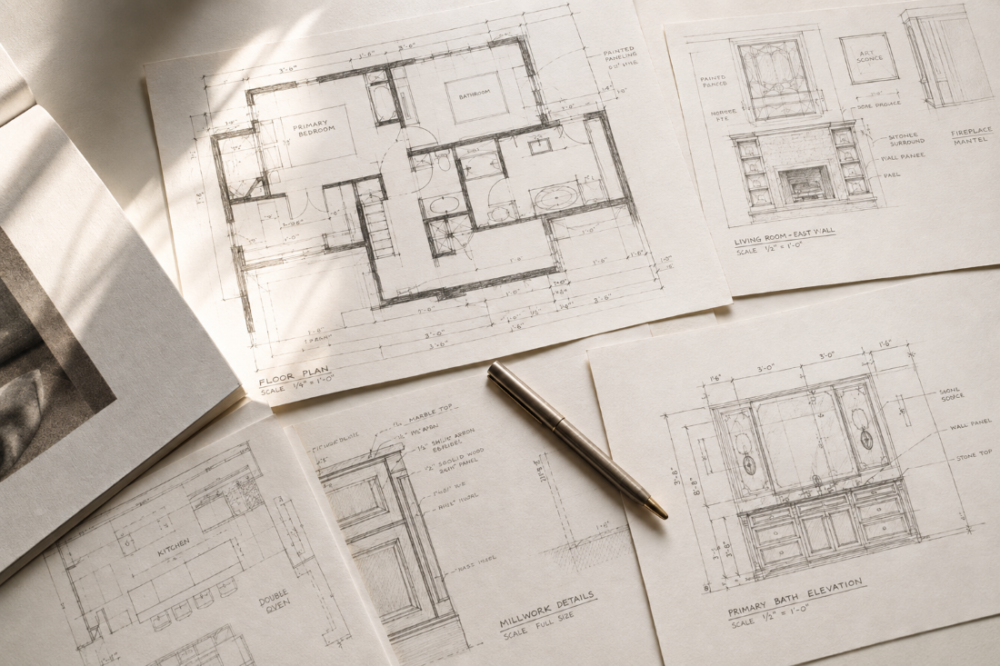
This is the one most people skip, and it’s the one that causes the most grief later. A defined scope of works, room by room and item by item, right down to who’s supplying the tapware, is what turns ‘renovate the bathroom’ into something three builders can price identically. Skip it, and ‘finished’ becomes a moving target, one that keeps moving right up until the final invoice lands.
The quotes will thank you
None of it’s glamorous. Nobody’s ever pinned a scope of works to a mood board. But the pattern across all seven is the same: the more precisely you can describe what’s changing, what it’s finished in, and who’s supplying what, the closer every quote will land, to each other and to what the job actually costs.
Sort these seven out before you pick up the phone, and the numbers that come back will finally be numbers you can trust.
Thank you Mary for sharing your expert advice on the most important decisions you need to make before you ask a builder to quote. The tip around specifying quality of finishes is especially helpful and where quotes can often vary wildly… including from the quote stage to completion!
More building and renovation advice
About the author
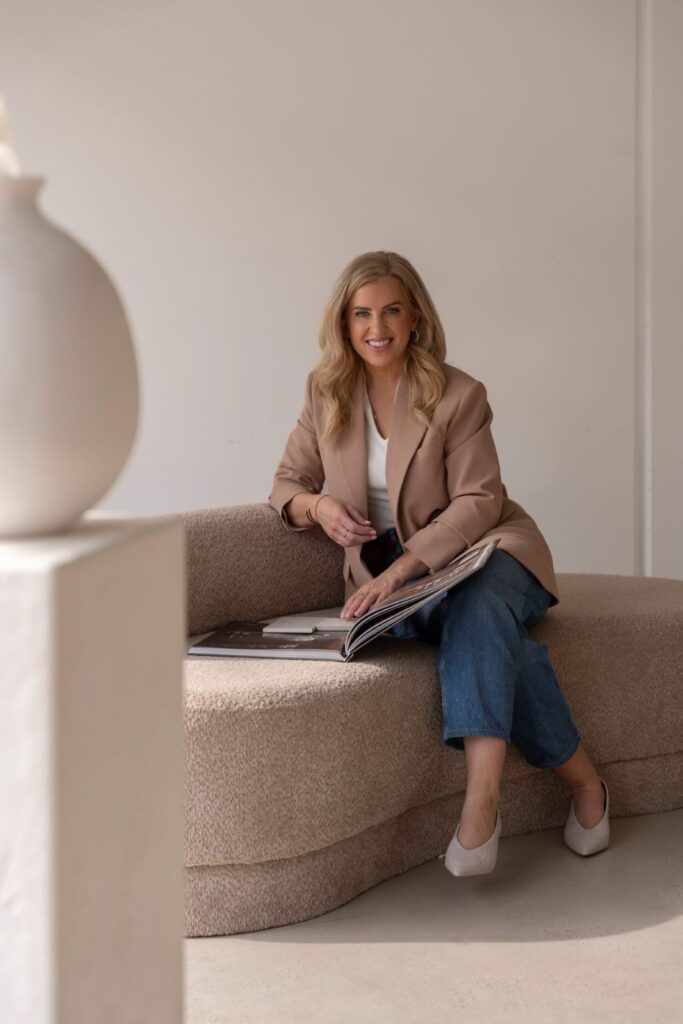
Mary O’Loughlin is the founder of Lúrae Studio, a Melbourne-based interior design practice serving the city’s inner suburbs and, via eDesign, the rest of Australia. Before designing homes she spent two decades in financial advisory, and now brings the same documentation first discipline to full renovations and new builds.
Website: lurae.com.au
Instagram: @lurae.studio