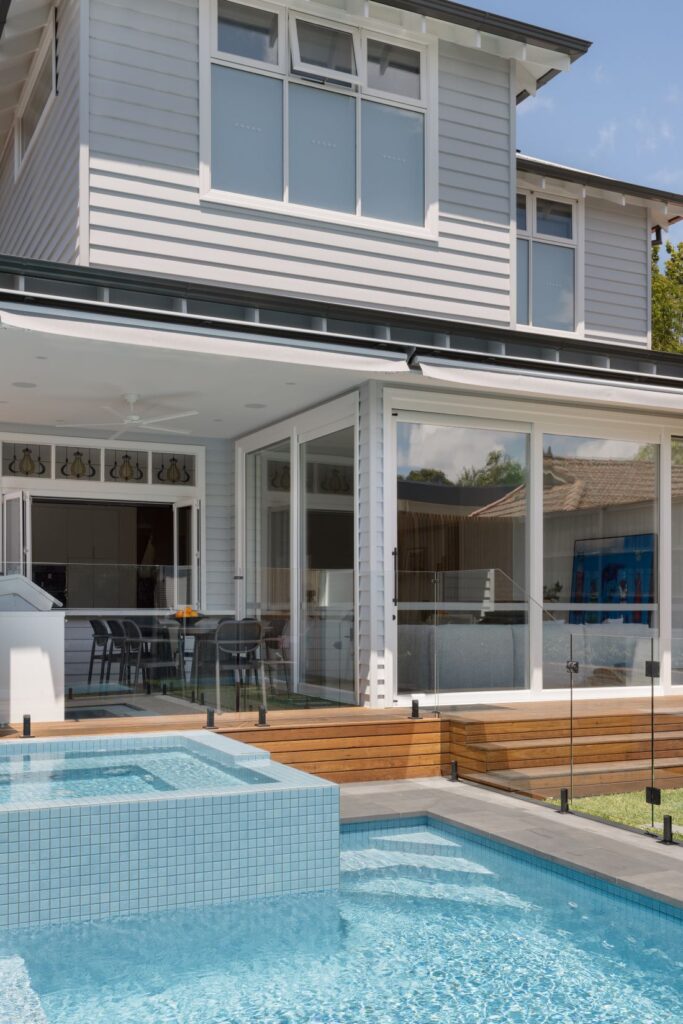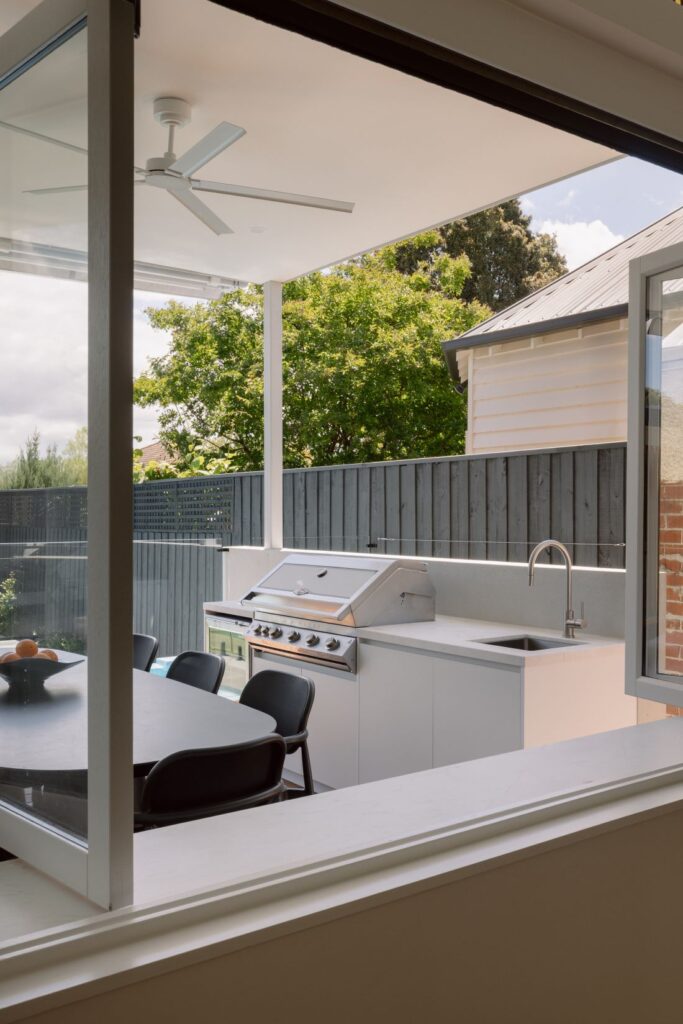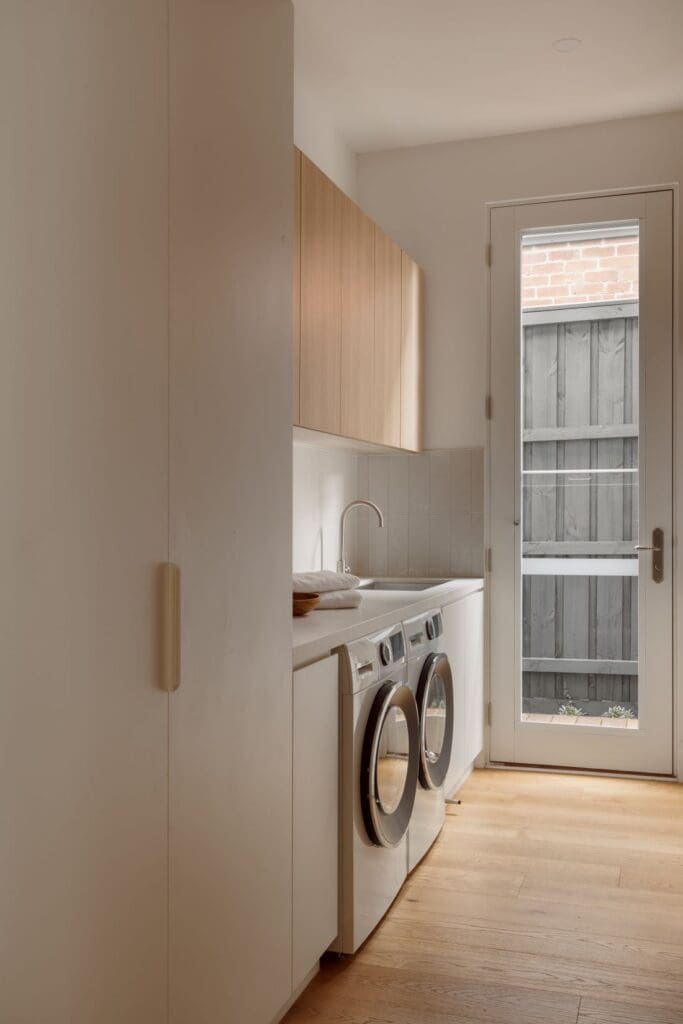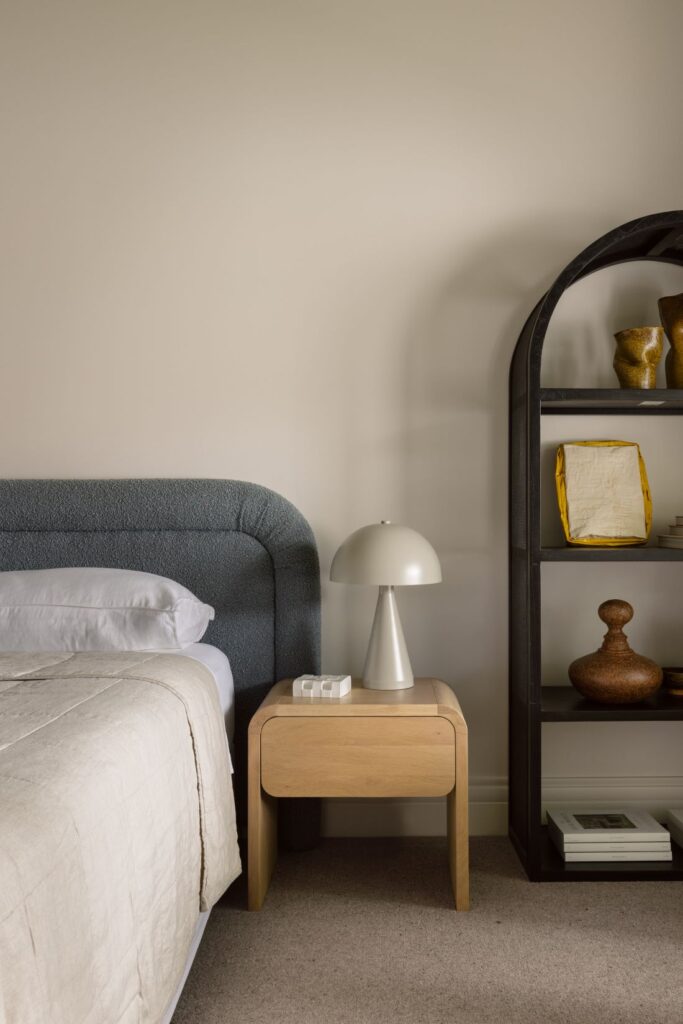
Blending old-world charm with contemporary comfort is never an easy task. But as you’ll soon discover, this beautifully reimagined home strikes the balance with ease. Designed for a busy young family of six (plus one very adorable dog), the renovation honours the home’s original character while introducing a fresh, functional layout that supports everyday life and modern family living.
This home is a thoughtfully designed space that retains its classic heritage appeal while still feeling light, bright and modern. Nina Di Marco from YDM Design Studio, shows us around.
Related article: Heritage reimagined: Exploring House 1915
Related article: A serene, timeless bathroom transformation with clever use of space
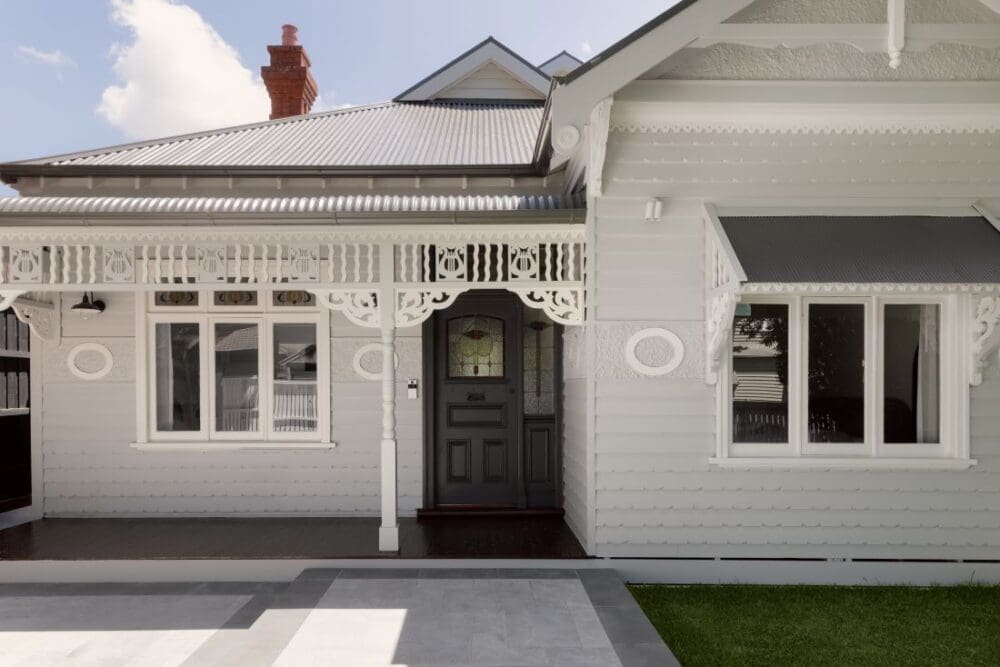
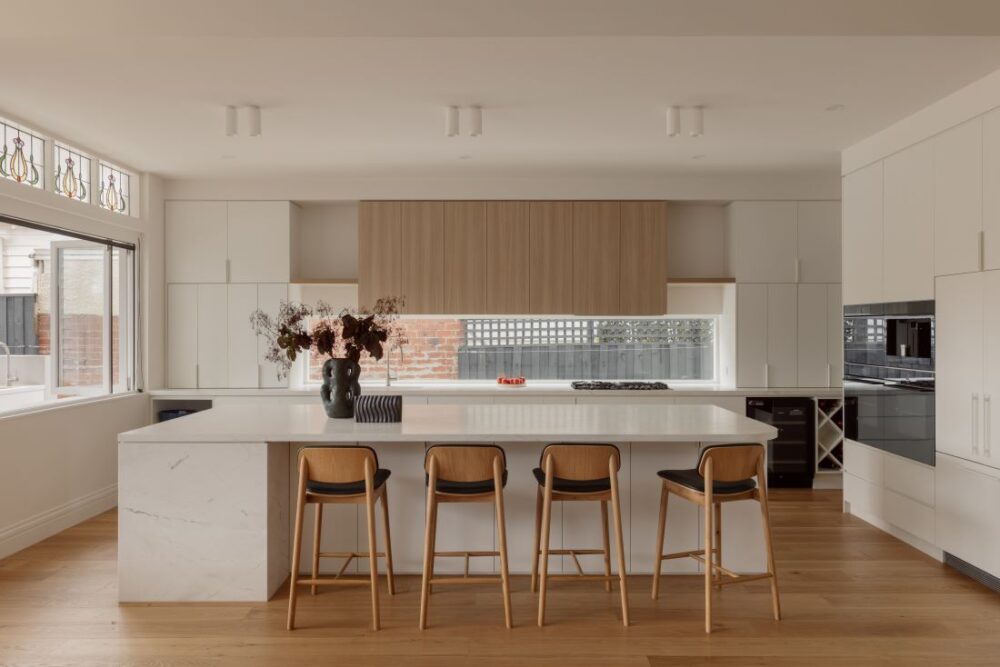
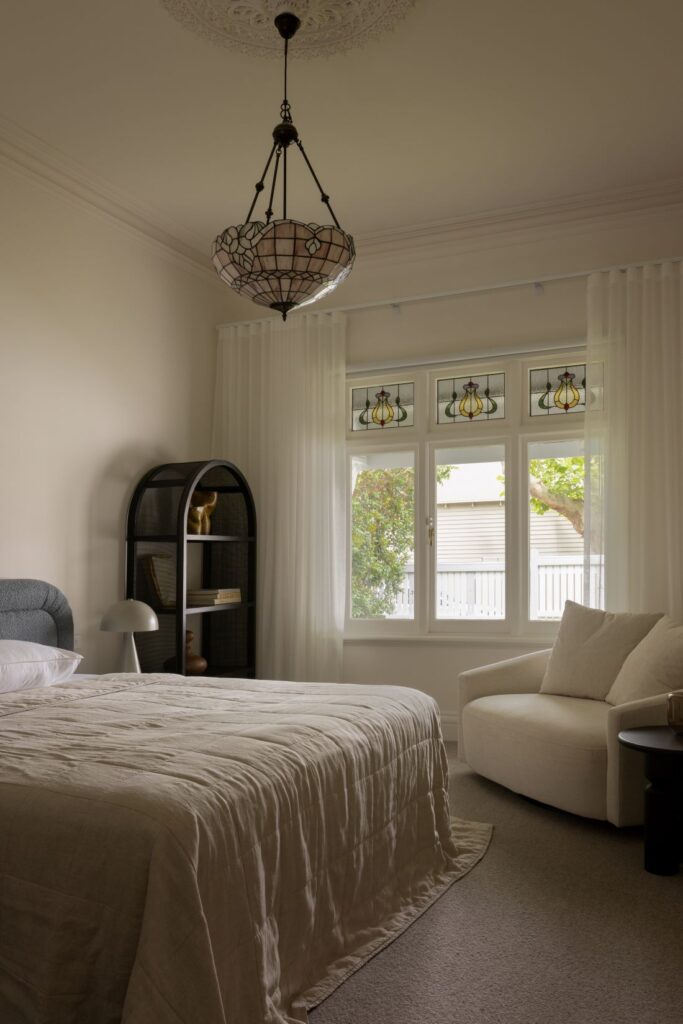
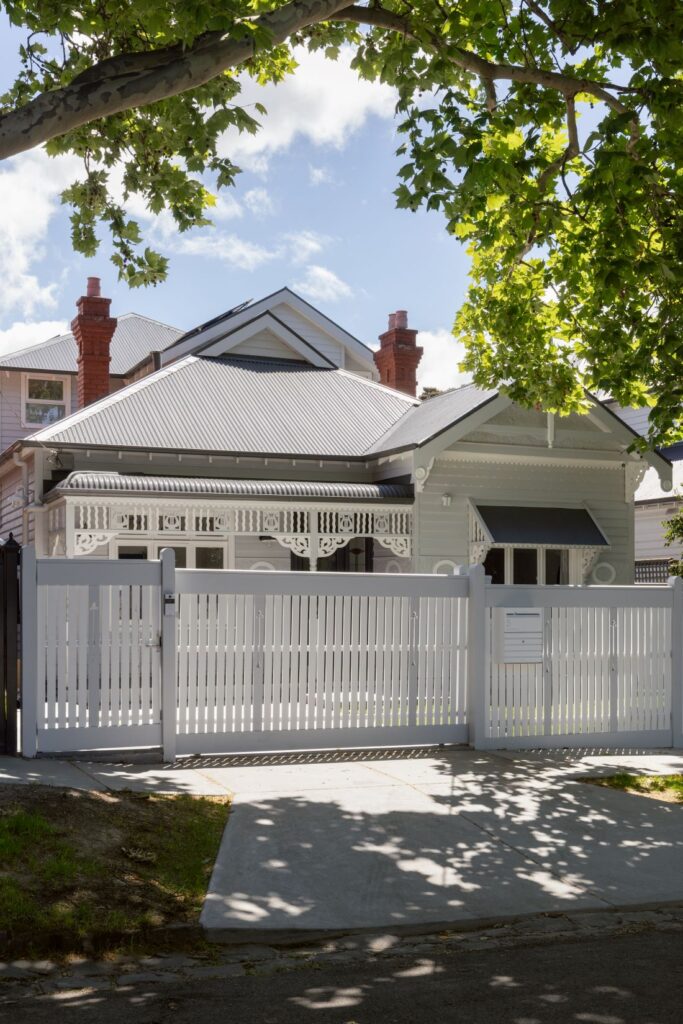
The most important part of this renovation project was to keep the stunning, original heritage features, while adding those much needed modern elements.
“This project is home to a young family with 4 children and their beloved pup. From the outset, the vision was clear. Create a space that feels welcoming, functional and connected without losing the charm that drew them to the home in the first place,” says Principal Designer, Nina Di Marco.
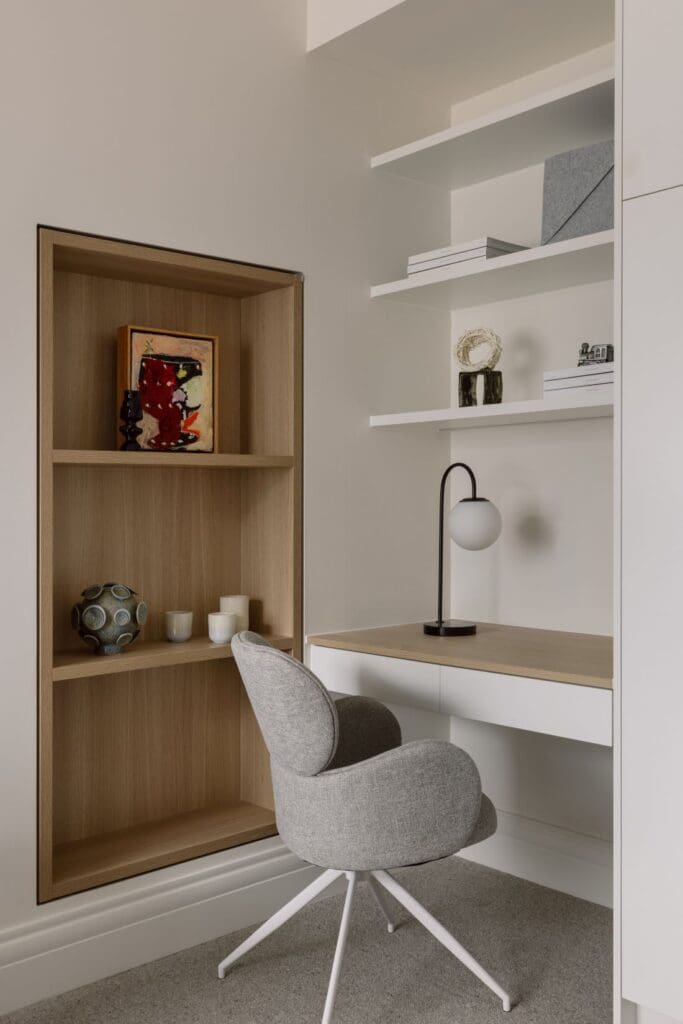
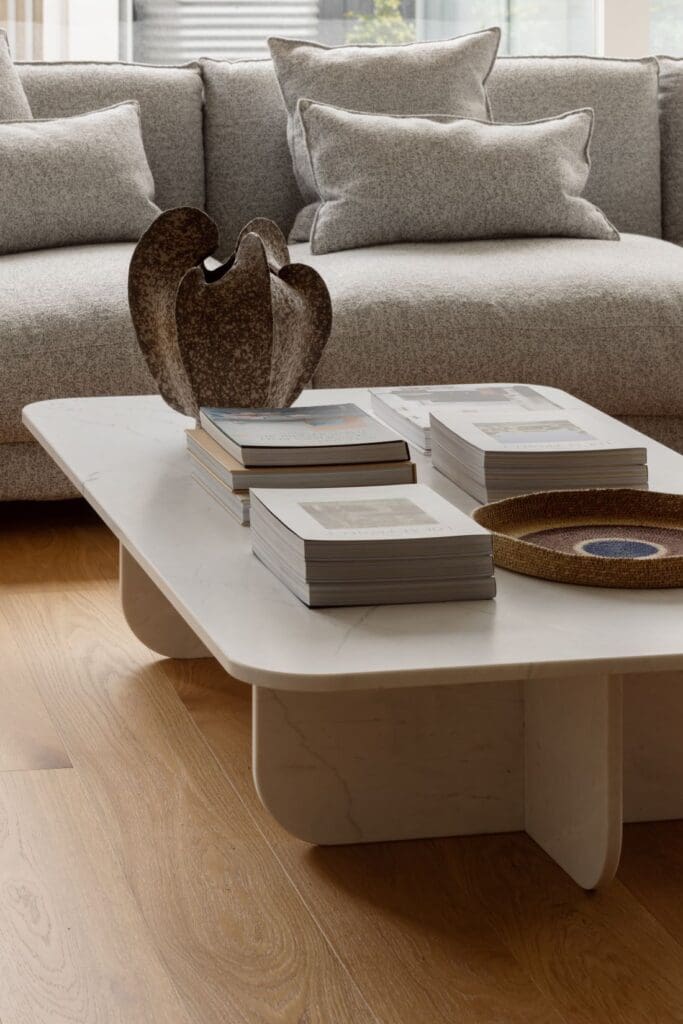
“Our main brief was to incorporate the heritage features of the home into the new design, while working with a palette of timbers, white and greys to ensure the home felt light and bright.
“It has been designed with family at its heart. Functionality was also key. Every space needed to work hard for a family of 7… this includes their furry family member!”
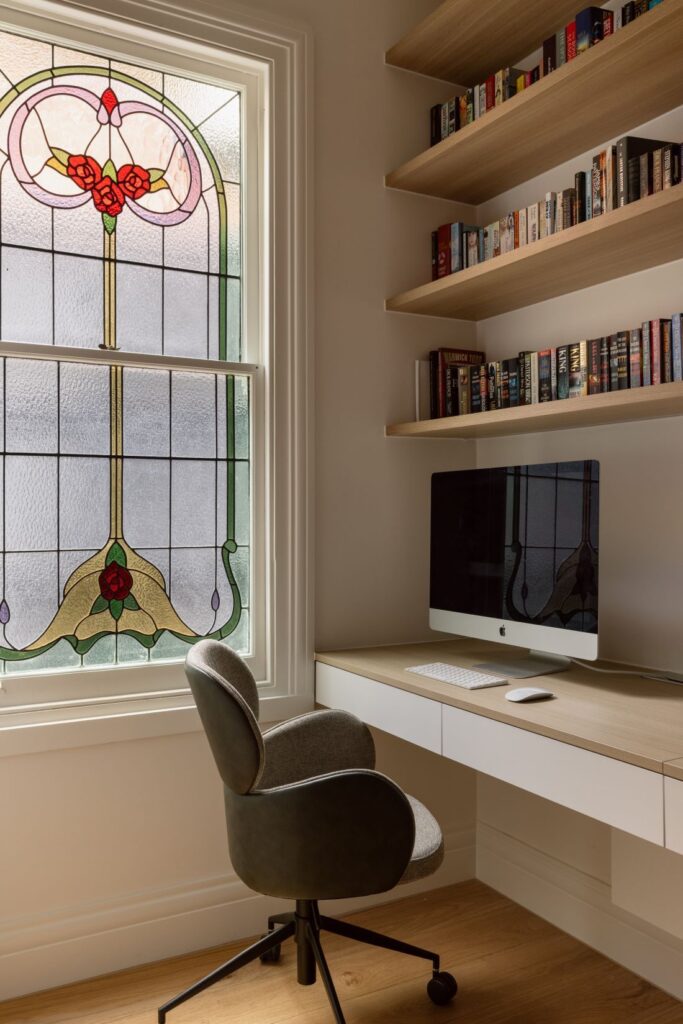
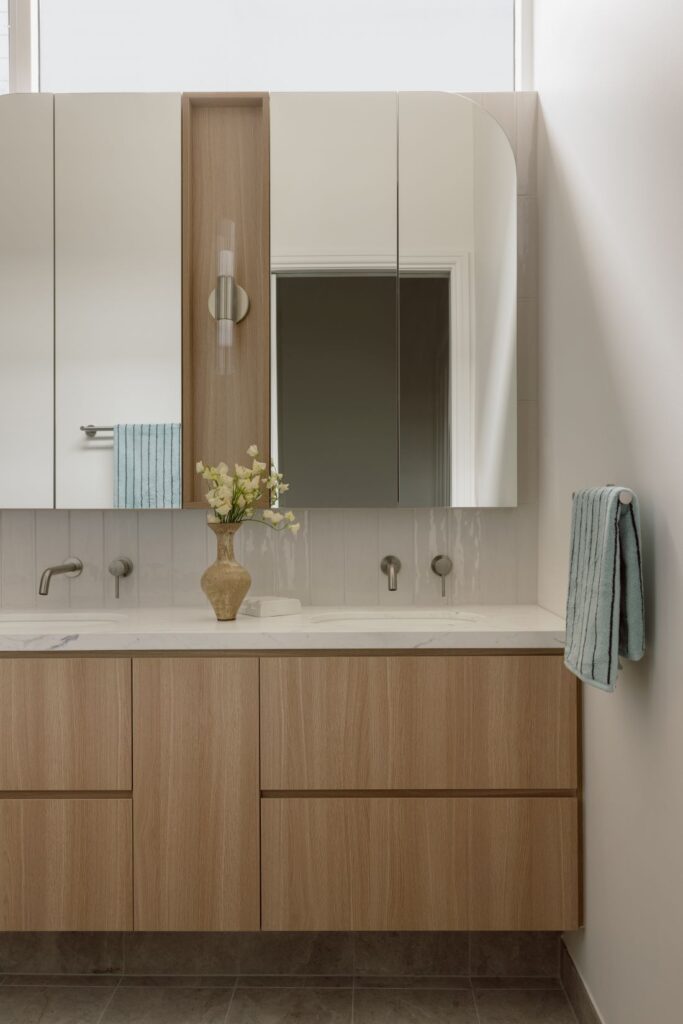
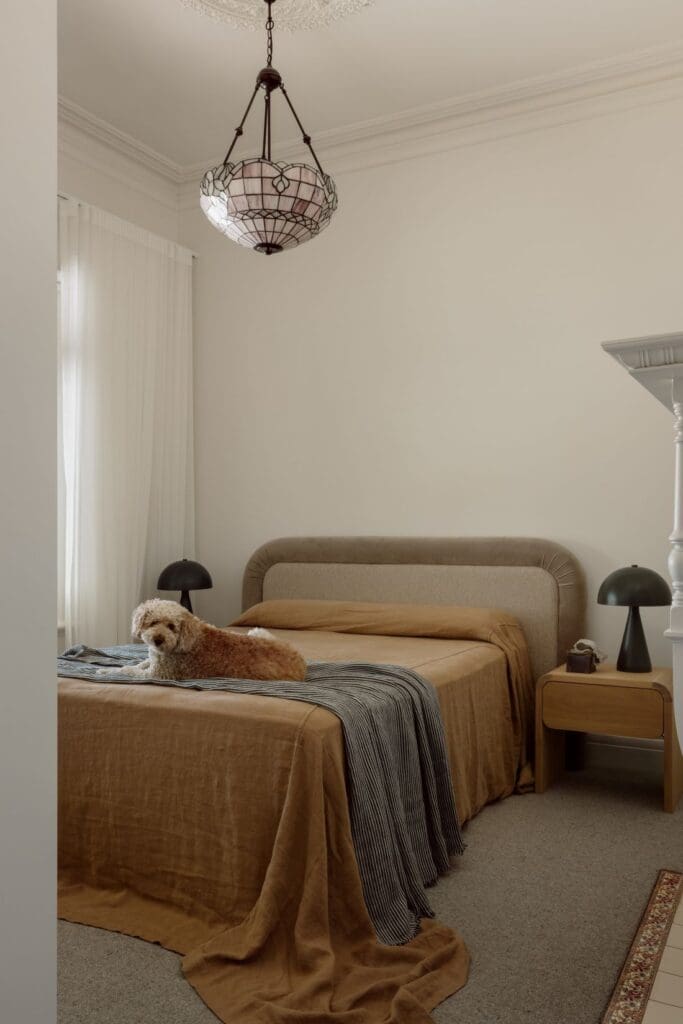
The entire house underwent a transformation with no room going untouched.
“This was a whole home renovation and extension,” Nina explains. “It included a second storey addition, designed by architect Rob, from Elements of Home.
“The front two rooms were largely preserved, but refreshed with new flooring, paint, lighting, robes and furniture. The remainder of the house underwent a complete transformation.
“The result is a seamless blend of old and new, where each space feels connected yet purposeful.”
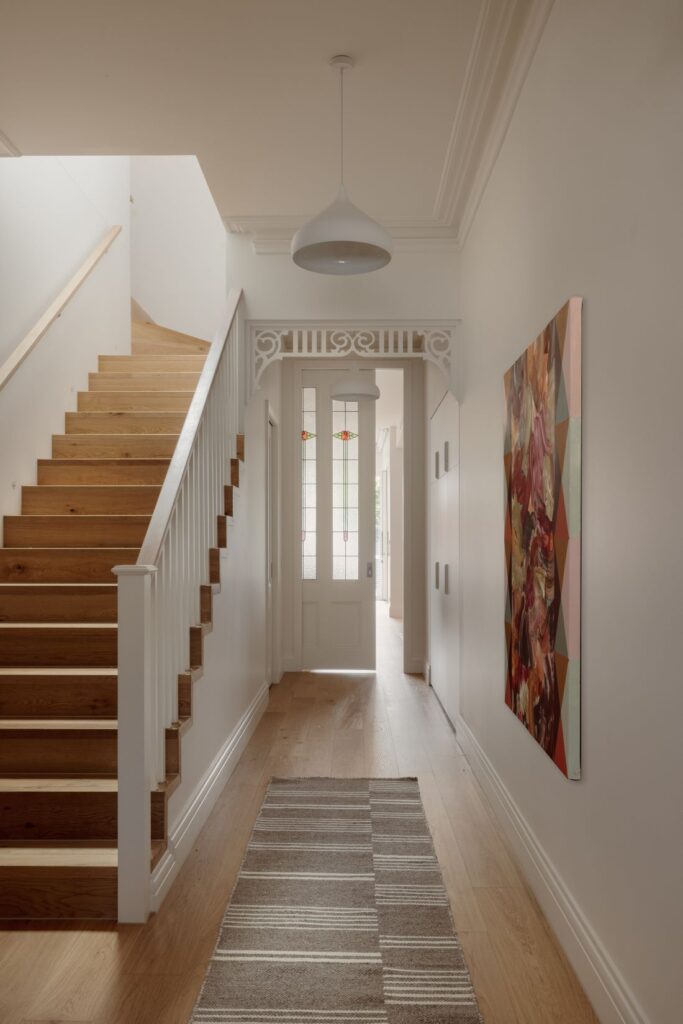
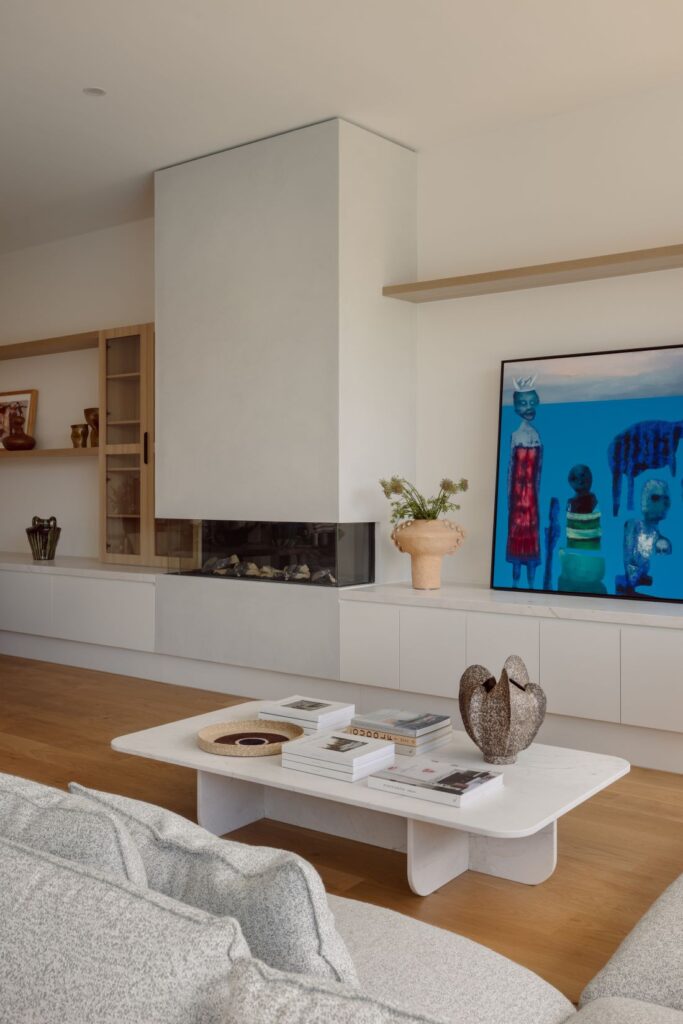
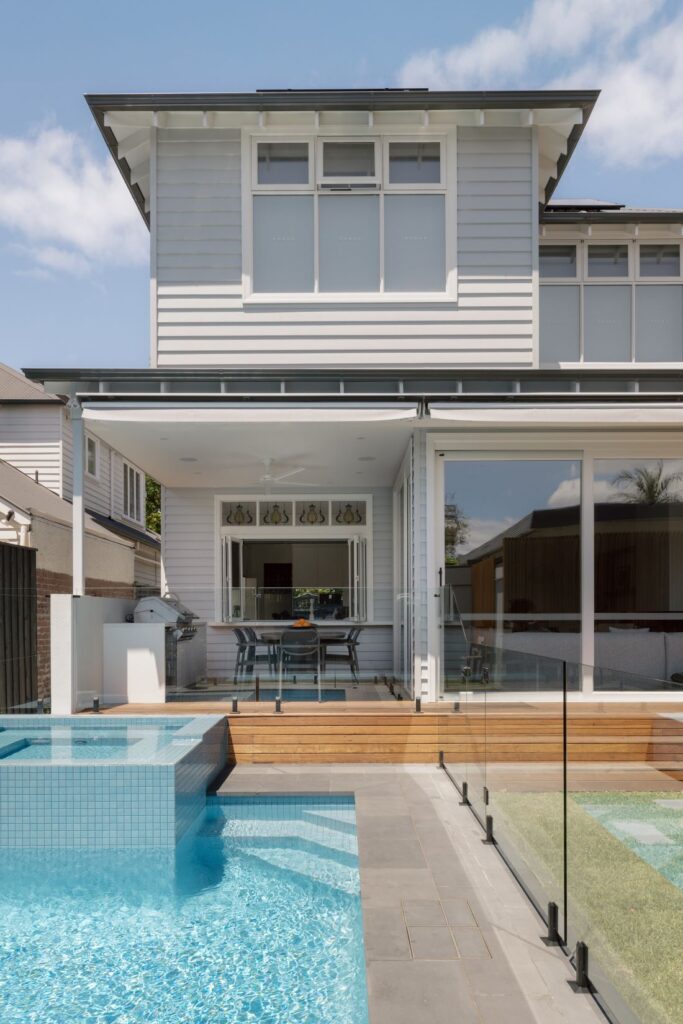
Balancing heritage features with contemporary updates can be a delicate process, but in this home, it was all about knowing what to keep.
“For this project, it was mostly about keeping the parts of the home that the clients loved and that attracted them to this home in the first place,” says Nina.
“In particular, it was important to keep as many heritage features as possible in the front rooms. We kept the original ceiling roses, cornices, fireplaces and mantels, the leadlight windows and decorative fretwork.
“Some parts did have to be replaced with an equivalent option where needed. But we did this to ensure the spaces retained their charm.
“The entry and hallway — which were widened to fit the staircase, and lengthened to suit the new layout — needed to be treated with care. This was due to the extension of the front rooms which had to balance that natural transition into the more modern extension at the back and upstairs.
“In the more contemporary zones, we dropped the cornices and ceiling roses. But we continued the skirting boards and added led windows to keep a touch of the original charm.
“The focus for these spaces was on maintaining a homey and cosy feeling through materiality, which would tie in nicely the front of the home, without needing to carry through the very decorative elements.”
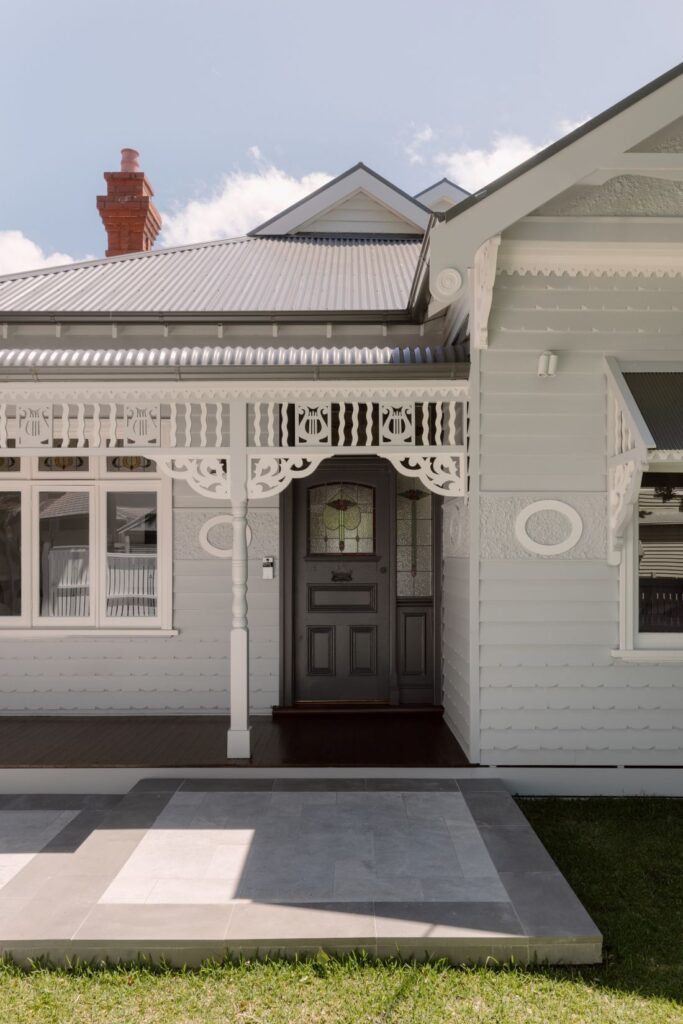
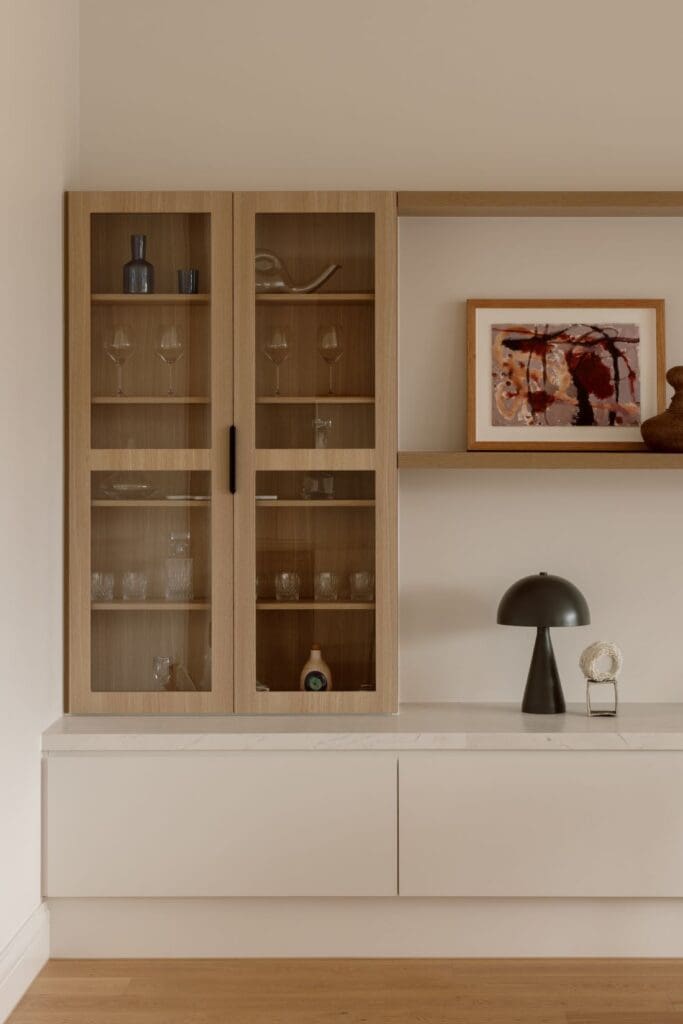
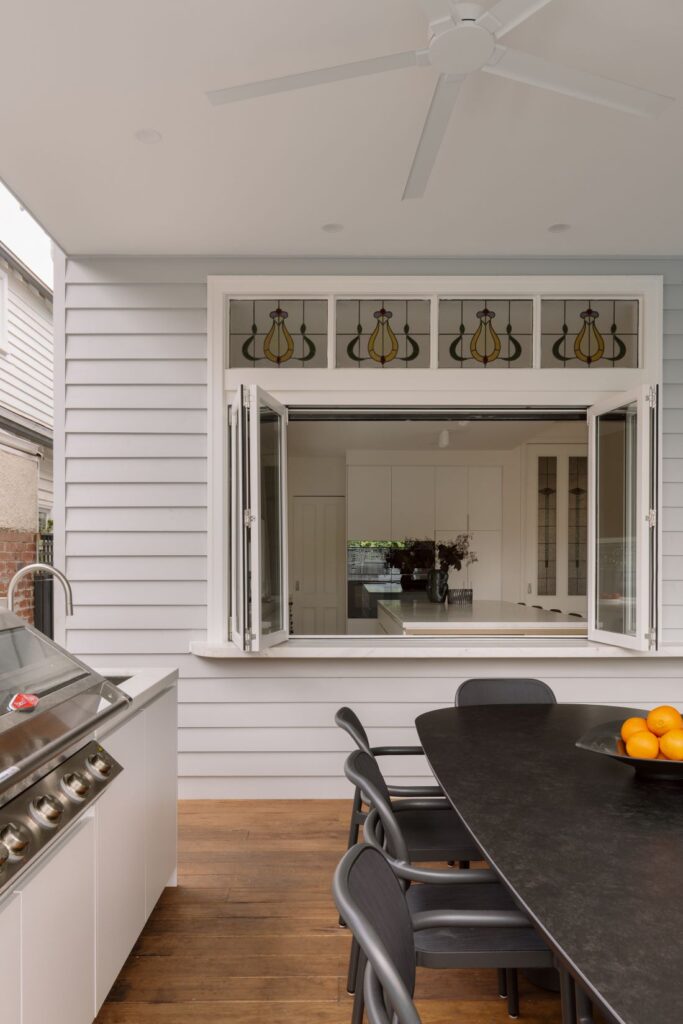
Honouring heritage features while embracing modern family living is all about give and take.
“When it comes to adding those modern elements into heritage homes, it’s important to decide early on what is your priority in terms of the heritage features to keep and feature. What parts do you truly love?” Nina says.
“My next tip is to select a few ‘themes’ from the heritage features that you can carry into the modern design. For example curves, timber or paneling.
“Also, pay attention to proportions and scale. Heritage homes often have high ceilings, which is why decorative features feel in proportion with the room. You can still do this in modern zones. Consider adding taller doors, higher skirting boards (even if they’re quite plain), and include pendants to balance out the scale.”
No home renovation is complete without a few issues popping up along the way.
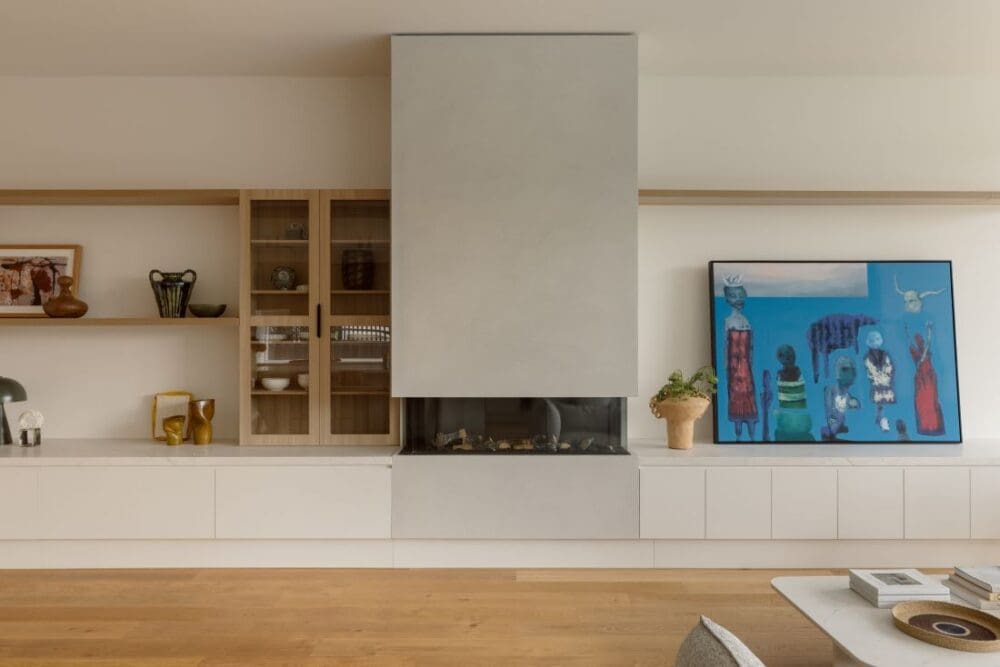
“It NEVER goes 100% according to plan!” laughs Nina. “Our biggest issue in this project was the fireplace in the lounge and dining area.
“The original design was slightly different with the walls above and below being cladded in the matching timber laminate as our joinery. Unfortunately, once the fireplace arrived on site and the specs were studied carefully, we realised this couldn’t be done.
“We either had to source a different fireplace or change the cladding. There were also concerns that our joinery to the left of the fireplace would not be able to go against it. And this would have caused huge issues. Luckily, we were able to get a rep out to confirm what could be done. And actually, the solution was much easier than expected.
“We ended up cladding the fireplace in micro-cement instead. And while it doesn’t have the warmth of timber, I think it turned out really well and ties in beautifully with the rest of the home.
“This was also the first project I worked on where the joinery was built overseas and brought to Australia ready to install.
“Unfortunately, my designs weren’t created with this in mind. So there were a few issues that arose. For example, some joinery pieces didn’t quite work or look as we had intended.
“In the future, I would try to discourage this, and support our Australian cabinet makers! And where it can’t be avoided, I would suggest paying a lot more attention to where joins are needed to avoid some of the issues we faced in this project.”
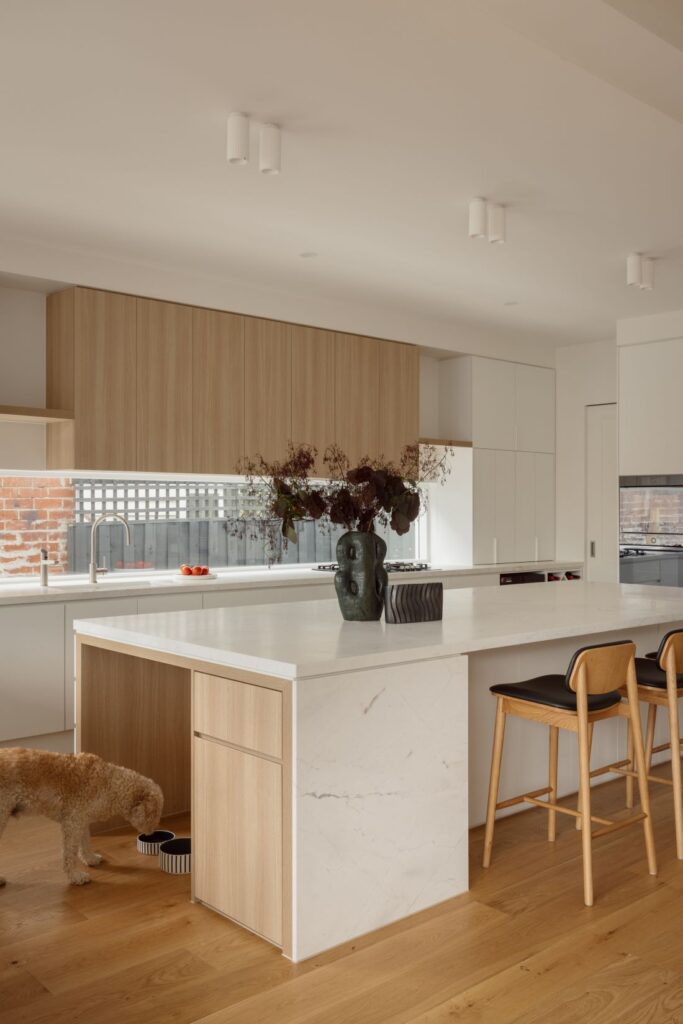
When designing this home for modern family living, no one was left out of the design process. Including the family’s precious pooch!
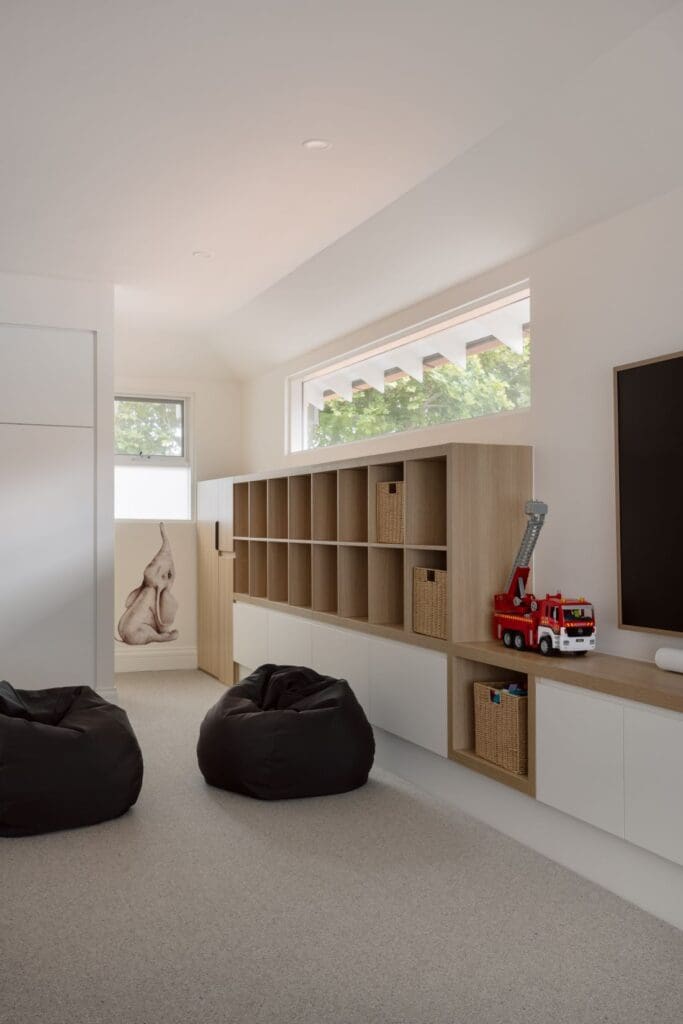
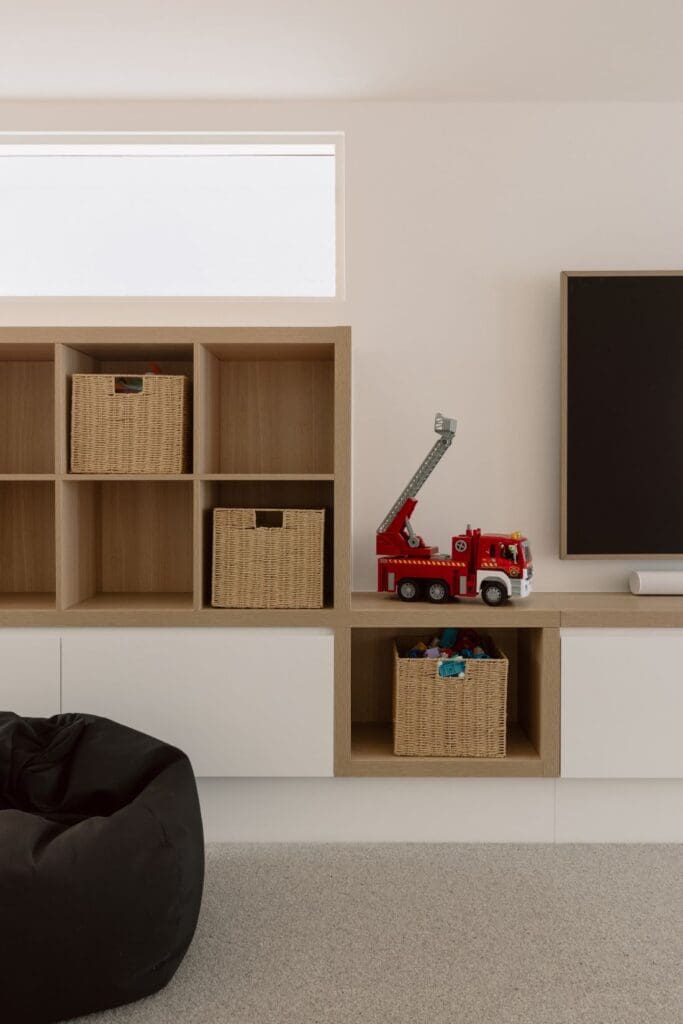
“Functionality was at the heart of every design decision we made for this home. It was important the needs of all seven family members (this includes the pup!) were carefully considered throughout,” smiles Nina.
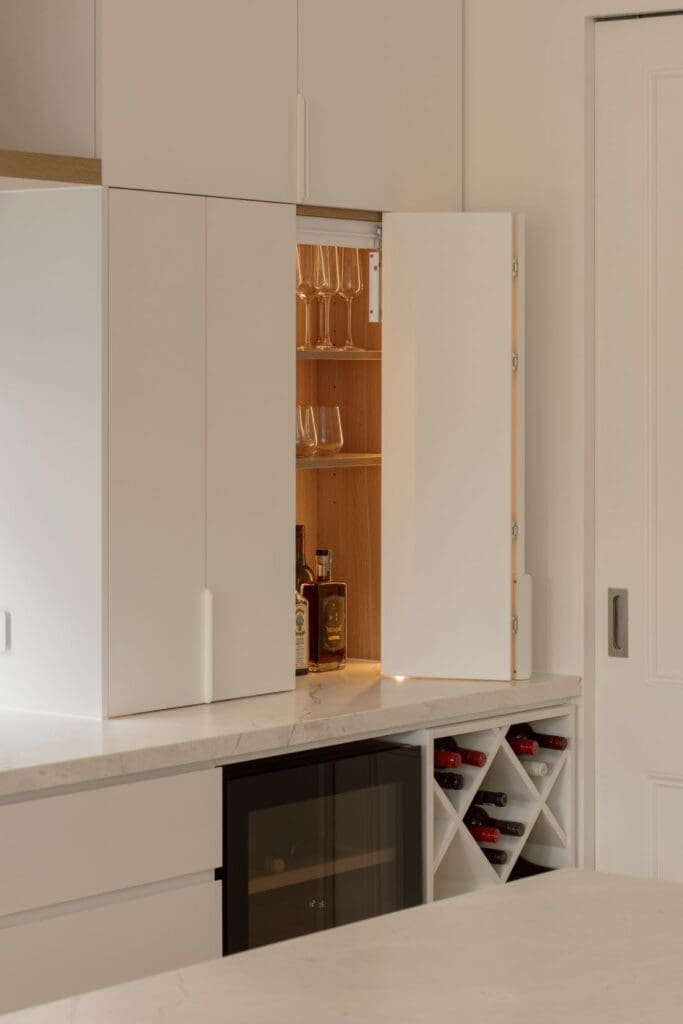
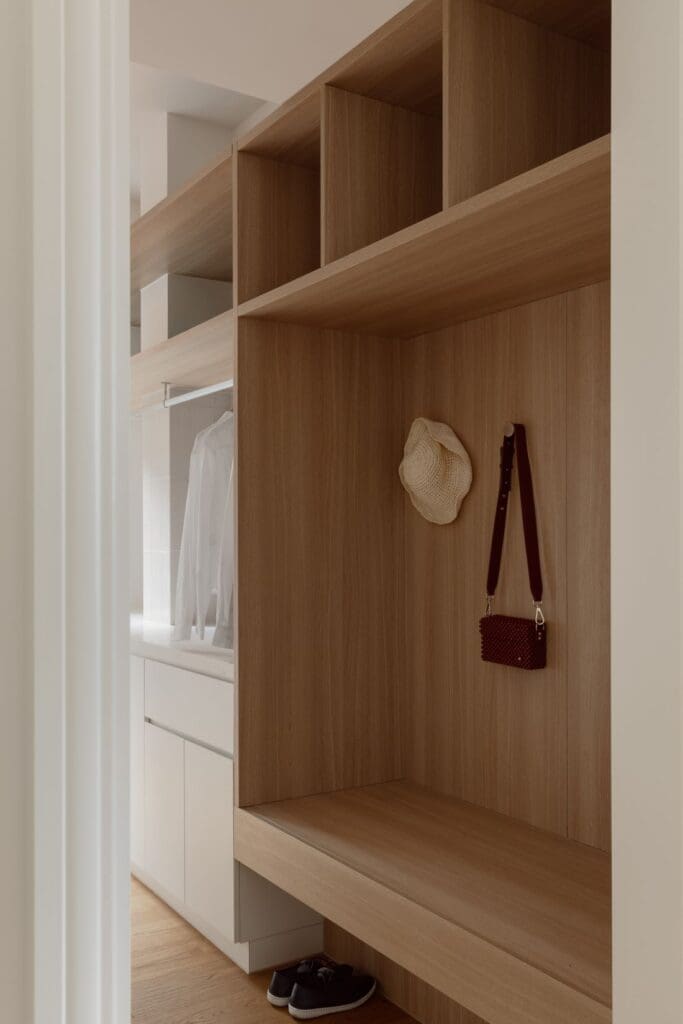
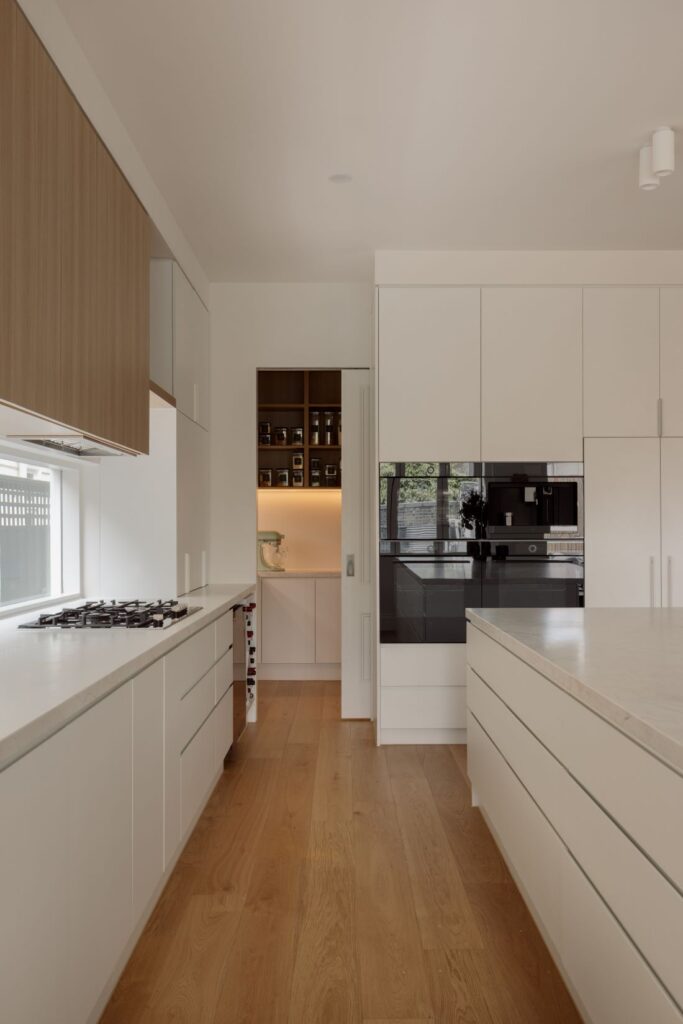
“Storage, durability and flexibility were key. Custom joinery played a central role in ensuring the home works as beautifully as it looks.
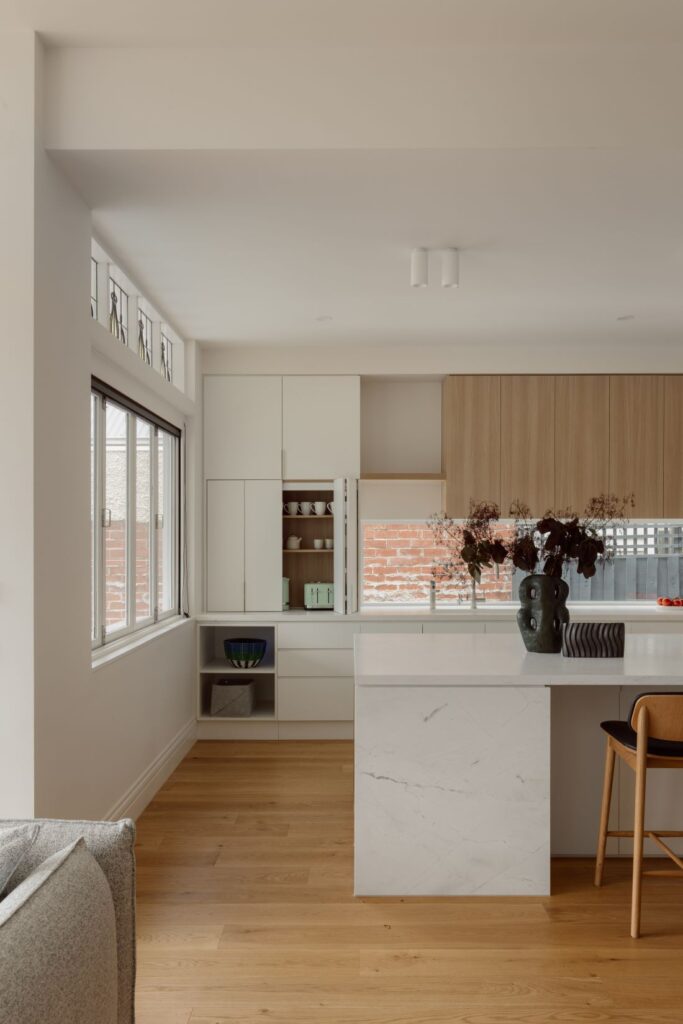
“My favourite part is the kitchen island, particularly the dog feeding station we included! I absolutely love creating spaces for pets, and this nook was no exception.
“The space is currently used to feed the dog, and keep the leash, food and other puppy needs next to it.
“However what’s equally smart about this, is that it can also double as a small ‘study zone’ later on. Plus it allowed us to feature the beautiful Elba White stone at the front of the island.
“It’s this kind of thoughtful, future-focused design that makes the home feel truly tailored to our clients.”
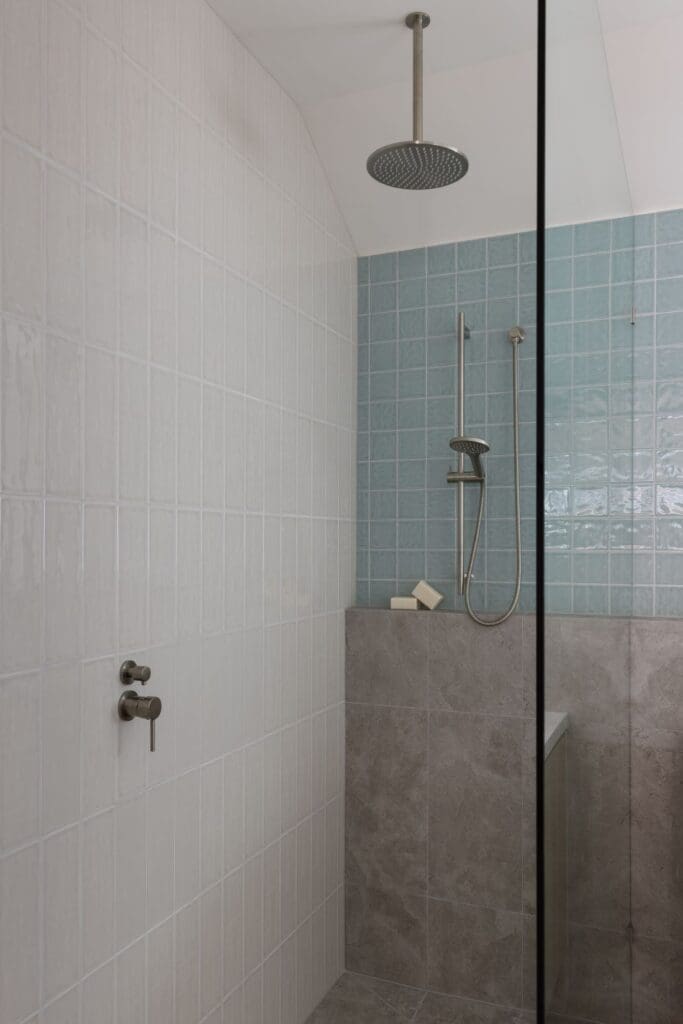
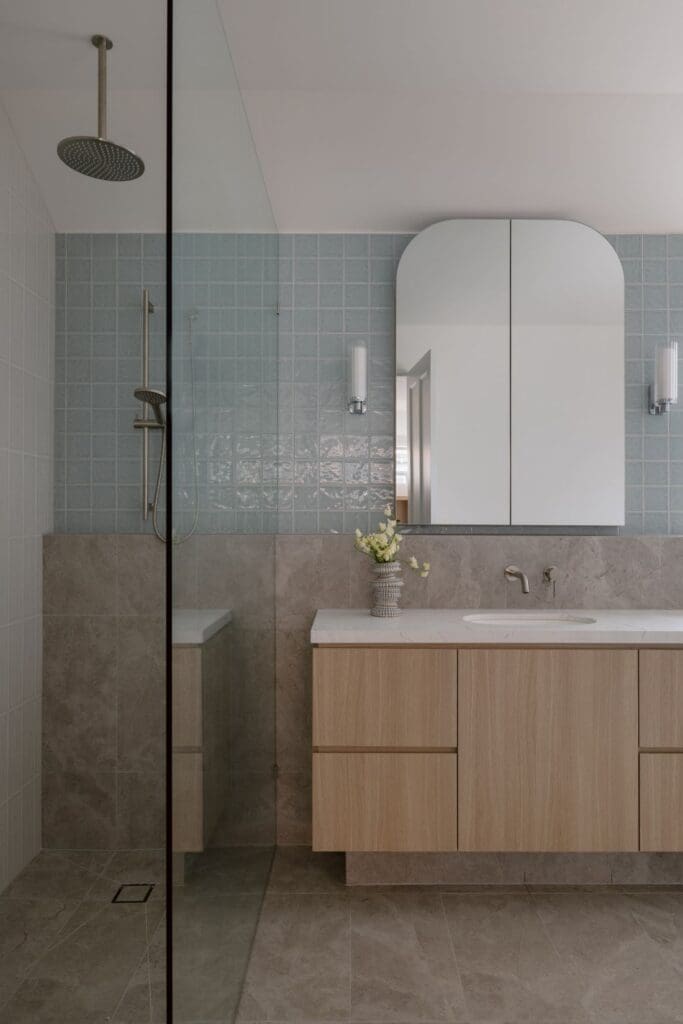
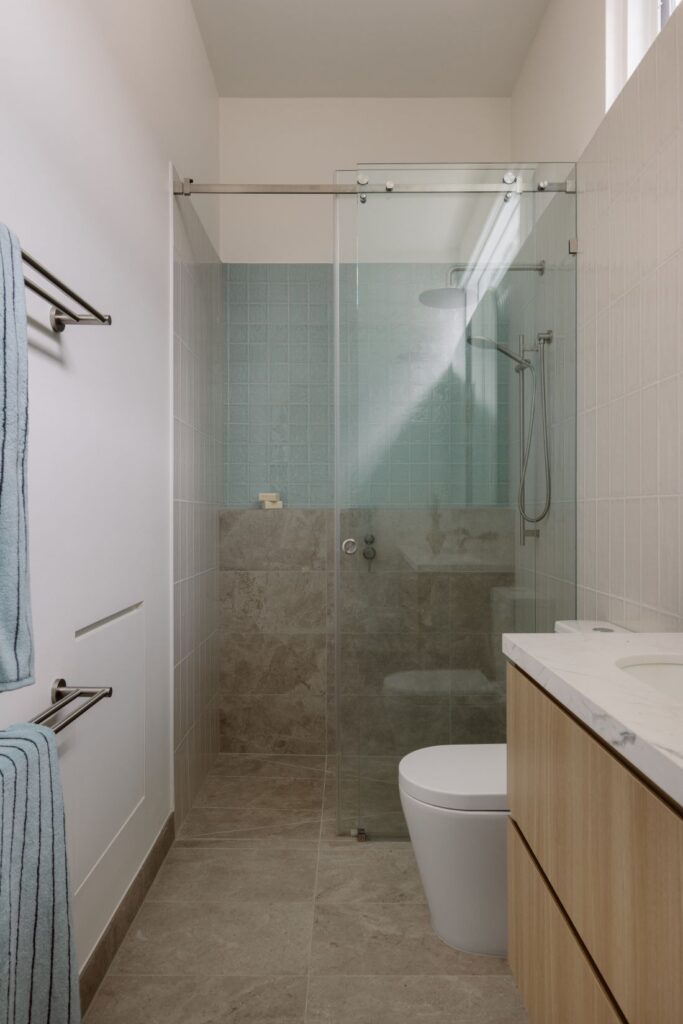
The bathrooms in this home add a modern splash of colour.
“When we start a new project, we always ask our clients to provide us with inspiration images,” Nina says. “We discuss these in our first meeting to fully understand their aesthetic preferences.
“Our clients love large format tiles on the bathroom floor, paired with a more textured but neutral subway tile on the walls.
“This helped formed the basis of the design for the bathrooms. They also decided to add some colour into these spaces, which is where the third tile came in. This gave the bathrooms a slightly different feel and embraced a more layered materials palette.”
Credits:
Photography — Elise Scott
Interior design and furniture — YDM Design Studio
Styling — Studio Monkhouse
Architect — Elements of Home
Builder — Fabric Build
Thank you to Nina for showing us around this wonderful home. We love the mix of heritage elements that blend together to create that ideal modern family living.
You can explore more projects from YDM Design Studio on their website, or take a look through their Instagram feed. Be sure to subscribe to Style Curator to get all the latest design inspo straight to your inbox.
More home tours here