
There’s something incredibly satisfying about standing back and admiring a DIY project you’ve completed yourself. As well as saving money, you can also add personality to your home. Plus, every time you look at what you’ve done you can get that sense of achievement. But after renovating more than a few spaces, we’ve also learnt that some jobs are simply worth leaving to the professionals. The trick is knowing where to draw the line.
When it comes to DIY vs professional home renovations, knowing where to draw the line can save you time, money and a whole lot of frustration. Some projects are perfect for a weekend DIY, while others are worth every cent of hiring a professional. Whether it’s hanging wallpaper, laying tiles in a wet area or installing new lighting, here’s how to decide which jobs to tackle yourself and which are best left to the experts.
Related article: Renovate or move? How to decide when your home no longer works
Related article: Colour drenched bedroom makeover: How I transformed my Mum’s bedroom into a restful sanctuary
The DIY sweet spot
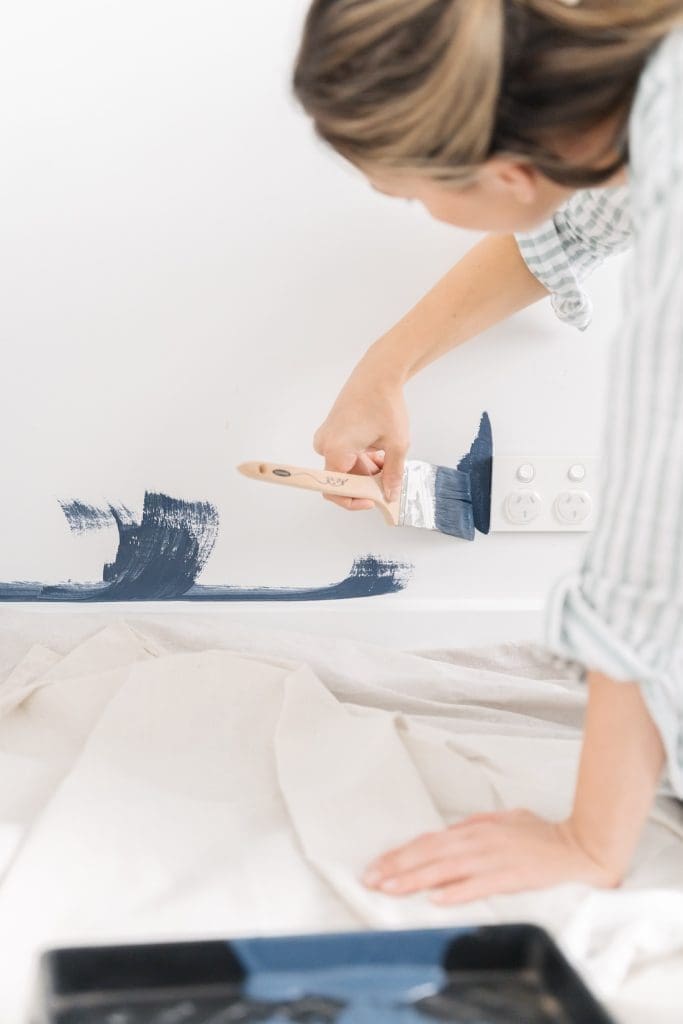
If you’re looking to refresh your home on a budget, there are plenty of projects you can confidently tackle yourself. A fresh coat of paint, updating cabinet handles, installing floating shelves, assembling flat-pack furniture, creating a gallery wall or giving tired furniture a makeover are all achievable for most homeowners. They’re relatively inexpensive, don’t require specialist skills and, if something doesn’t turn out quite as planned, it’s usually easy to fix.
These are the projects where DIY can really pay off. For the cost of a few supplies and a free weekend, you can completely change the look and feel of a room. Many of our favourite budget-friendly makeovers rely on simple cosmetic updates rather than major renovations, proving you don’t always need to spend big to create a beautiful home.
As a general rule, if a project is cosmetic, low-risk and doesn’t require a licence or specialist tools, it’s probably worth having a go yourself.
The jobs that look easy and are not
Some home improvement projects look surprisingly easy on Instagram or YouTube, but are much trickier once you get started. Wallpapering is a classic example. While it might seem like you’re simply hanging paper on a wall, it can often result with bubbles, crooked joins or patterns that don’t quite line up. The same goes for feature murals, where even being a few millimetres off can throw the whole design.
Tiling is another project that often catches DIYers out. Laying one tile isn’t difficult, but creating perfectly straight rows with even grout lines and neat cuts around taps, power points and corners takes skill and patience. Bathrooms are particularly unforgiving, so they’re probably not the best place to learn!
There are plenty of other projects that fall into this category too, including rendering, installing floating floors, hanging heavy mirrors or shelving, and painting rooms with high ceilings or very dark colours. If you’re aiming for a professional-looking finish, it can be worth getting a few quotes before deciding to tackle these yourself. Sometimes paying an expert the first time around is cheaper (and far less stressful!) than fixing a DIY job that didn’t quite go to plan.
The jobs to never do yourself
Some jobs simply aren’t suitable for DIY, no matter how confident or handy you are! In Australia, electrical work, plumbing and gas fitting must be carried out by licensed professionals. Not only is it illegal to do this work yourself, but it can also create serious safety risks, affect your insurance and cause problems when it comes time to sell your home.
The same applies to structural work, such as removing walls that could be load-bearing, and any project involving asbestos. Many Australian homes built or renovated before the late 1980s may contain asbestos, so it’s important to have it identified and removed safely by a licensed professional.
While hiring a tradie will increase your renovation budget, these are the projects where it’s simply not worth taking the risk. If your renovation involves new lighting, relocating plumbing, installing a gas appliance or making structural changes, plan for licensed trades from the beginning. Getting the right people involved early will help your project run more smoothly and give you confidence the work has been completed safely and to the required standard.
The middle ground: worth paying for the finish
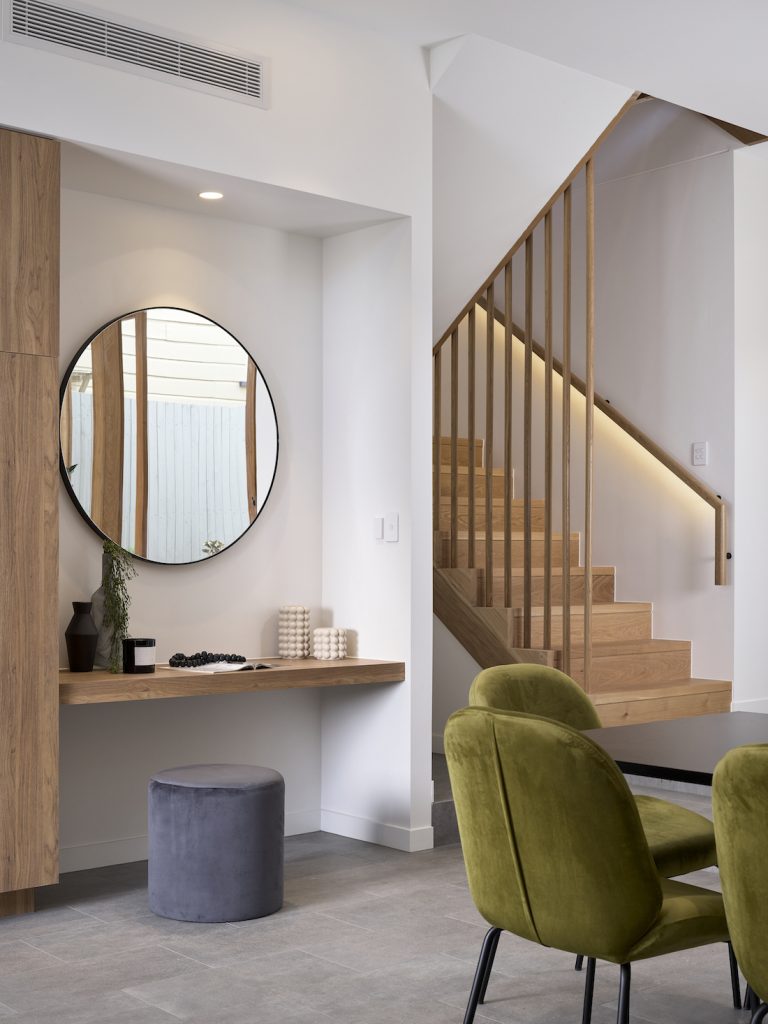
Between the safe DIY jobs and the strictly-professional ones sits a large middle ground where you could have a go, but the finish is worth paying for.
Painting an entire home is a great example. While painting a feature wall is a manageable weekend project, achieving crisp cut-in lines, smooth finishes and consistent coverage across every room in a whole home is a much bigger undertaking. The same goes for feature tiling, built-in cabinetry, timber flooring and wallpapering. These projects require patience, precision and experience, and the quality of the finish is something you’ll notice every day.
When you’re deciding whether to DIY or hire a tradie, ask yourself one simple question: Will I notice the difference if this isn’t done well?
If the answer is yes, it’s often money well spent. Beautiful tiling, perfectly installed cabinetry or a flawless paint finish can elevate your entire home and add long-term value. On the other hand, if a project is cosmetic, easy to fix or unlikely to be noticed if it’s not perfect, it’s probably worth rolling up your sleeves and giving it a go yourself.
Finding the right tradie for a design-led job
Not every competent tradie has the attention to detail needed for design-focused projects, where the quality of the finish can make all the difference. It helps to look at a tradesperson’s portfolio for jobs with a similar aesthetic, read reviews from other style-conscious clients, and choose someone who understands that millimetres and clean lines matter. Australian directories make this easier: you can find a local tradie through platforms such as Trade Heroes, browsing by trade and suburb, viewing real job photos and verified profiles, and shortlisting the people whose finished work actually looks like the standard you are chasing.
When you make contact, share your mood board, your finishes schedule and reference images from the outset. A tradie who can see exactly what you are going for can tell you honestly what is achievable, flag where a chosen material will be difficult to work with, and often suggest a smarter way to get the look. The best results on a styled home come from treating the trade as a collaborator in the design, not just a pair of hands hired at the end.
Spending where it counts
A successful renovation isn’t about doing everything yourself or outsourcing everything to the professionals. It’s about deciding where to spend your time and where to invest your money for the biggest impact. Tackle the cosmetic updates yourself to stretch your budget further, then invest in the projects where a professional finish will improve the look, quality or longevity of your home.
It also pays to plan your renovation in the right order. Book licensed trades, such as electricians and plumbers, early, as they often complete the first stage of a renovation before painting, tiling or cabinetry can begin. Once the construction work is complete, you can move on to decorating and styling your home. Planning ahead will help your renovation run more smoothly and reduce the chance of costly rework.
The DIY disasters that cost more to undo
Most DIY mistakes aren’t the end of the world. Pick the wrong paint colour and you can repaint it. Hang artwork too high and you can patch a couple of holes. That’s all part of learning.
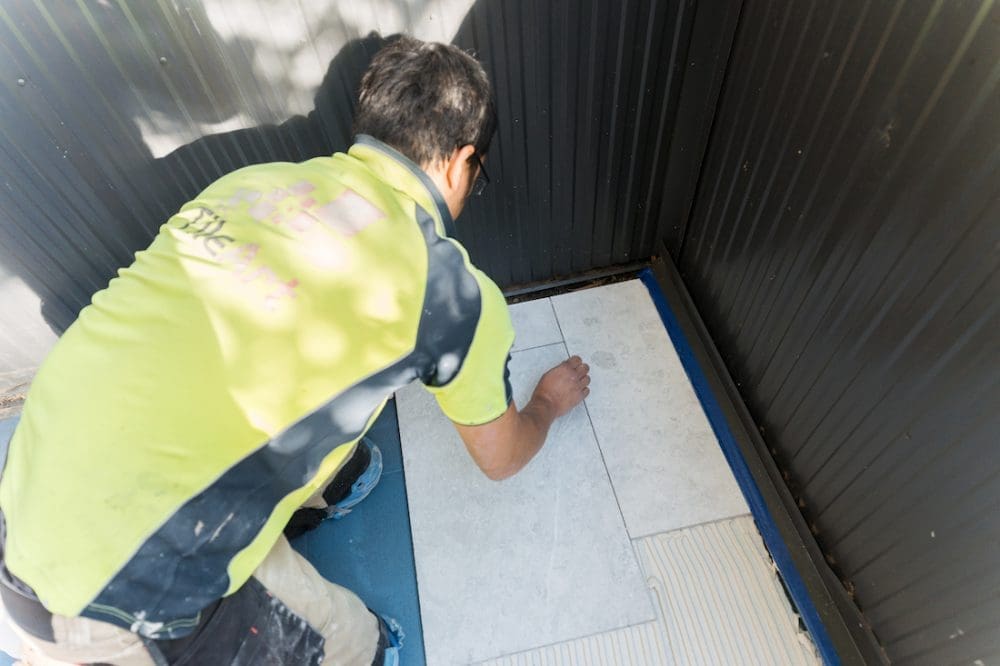
The expensive mistakes are the ones that are difficult to undo. Poorly laid floor tiles, uneven tiling in a bathroom or cabinetry that’s not quite square can be frustrating to live with and costly to replace. In some cases, removing and redoing the work can cost significantly more than hiring a professional in the first place.
Before starting any project, think about how difficult it would be to fix if it didn’t turn out the way you hoped. Always test paint colours on large sample boards and look at them throughout the day before committing. Take the time to properly prepare surfaces before painting, wallpapering or laying peel-and-stick products. And if a project requires precision or will become a permanent feature of your home, it may be worth investing in a professional from the outset.
After all, you’ll notice those wonky tiles or uneven grout lines every single day. Spending a little more upfront is often much cheaper than paying to rip everything out and start again.
Timing your project around trade availability
Many homeowners underestimate how far in advance you need to book a good tradie. If you’ve found a tiler, cabinet maker or painter whose work you love, don’t assume they’ll be available next week. The best tradespeople often book out weeks — or even months — ahead. So it’s worth organising quotes and locking them in as early as possible.
It also pays to think about the order of your renovation. Licensed work, such as electrical and plumbing, usually needs to happen first, followed by the bigger construction jobs like plastering, painting or tiling. Once those are complete, you can move on to flooring, decorating and finally styling your space.
This is where a good directory earns its keep beyond the initial search, because it lets you line up several trades and compare availability before you commit to a start date. A little planning at the start of your project can help you avoid delays, keep your renovation on track and ensure you’re not left waiting weeks for the next available tradie.
The secret to a successful home renovation isn’t doing everything yourself — it’s knowing where your time, skills and budget will have the biggest impact. When it comes to DIY vs professional home renovations, there isn’t a one-size-fits-all answer. Tackle the cosmetic updates you feel confident doing, and don’t be afraid to call in a professional when safety, quality or longevity are on the line.
Love practical renovation and styling advice like this? Subscribe to the Style Curator newsletter for weekly inspiration, expert tips and budget-friendly ideas to help you create a home you love.