Supported by Curtain & Blind Co
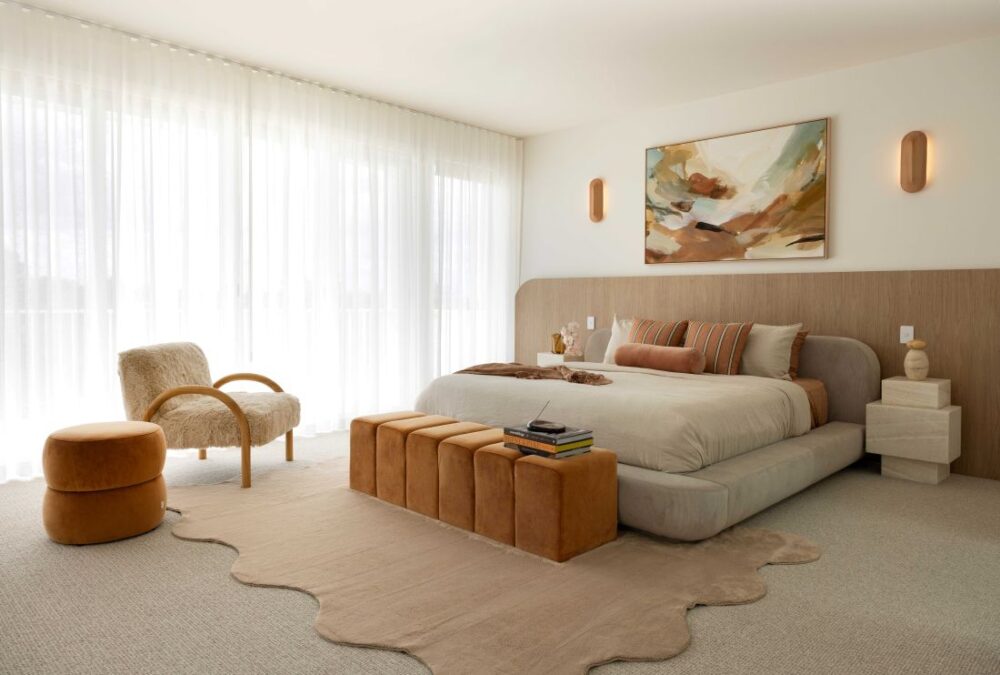
If there’s one interior design feature that can completely transform a room, it’s curtains! I’ve specified curtains countless times over the years, and I’m still amazed by the difference they make. The moment those beautiful folds of fabric go up, a space can instantly feel softer, more luxurious and beautifully resolved.
But curtains do so much more than look good. They can filter harsh sunlight, improve privacy, help regulate indoor temperatures and even soften noise. In my opinion, they’re one of the most worthwhile investments you can make in your home.
The tricky part? Knowing where to start!
From sheer versus blockout fabrics to curtain headings, colours, measurements and installation, there are quite a few decisions to make. And while custom curtains might sound complicated or expensive, today’s online made-to-measure services have become surprisingly straightforward.
So whether you’re finishing a new build, renovating or simply refreshing a tired room, I’m sharing my top tips on how to choose curtains that look beautiful and function well in your home.
Related article: The dos and don’ts of custom joinery
Related article: Ultimate guide to choosing the perfect tapware for your home
In this article
- How do you want your room to function and feel?
- Should you choose sheer or blockout curtains?
- Can you have sheer and blockout curtains together?
- How do you choose the right curtain fabric?
- What curtain colour will work best in your space?
- Where should curtains be positioned?
- Which curtain heading style should you choose?
- How long should your curtains be?
- How do you measure for made-to-measure curtains?
- Why should you order curtain fabric samples first?
- What curtains work best in different rooms?
- Can you motorise your curtains?
- What happens after you order custom curtains?
- Beautiful curtains are worth getting right
How do you want your room to function and feel?
Before falling in love with a particular fabric or colour, my first piece of advice is to think about how you want your room to function.
It’s a classic case of function before form!
Ask yourself: Do you need privacy from neighbours? Are you trying to reduce glare? Do you want to block out early morning sunlight? Or are you simply looking to introduce softness and texture?
Your answers will help narrow down the type of curtains best suited to your space.
For example, a light-filled living room might benefit from beautiful flowing sheers that gently diffuse sunlight while maintaining an airy atmosphere. A bedroom, on the other hand, may need heavier blockout curtains to create a dark, cosy environment for sleeping.
Also consider the atmosphere you want to create. Lightweight fabrics can feel relaxed and breezy, while heavier, more structured curtains can bring a sense of sophistication and warmth.
My tip: Don’t think about your curtains in isolation. Consider how they’ll work alongside your flooring, wall colours, furniture and other materials to create a cohesive interior.

Should you choose sheer or blockout curtains?
This is one of the biggest decisions you’ll make, and it really comes down to how you use the room.
Sheer curtains
I’m a huge fan of sheers, particularly linen-look fabrics that introduce beautiful softness and texture.
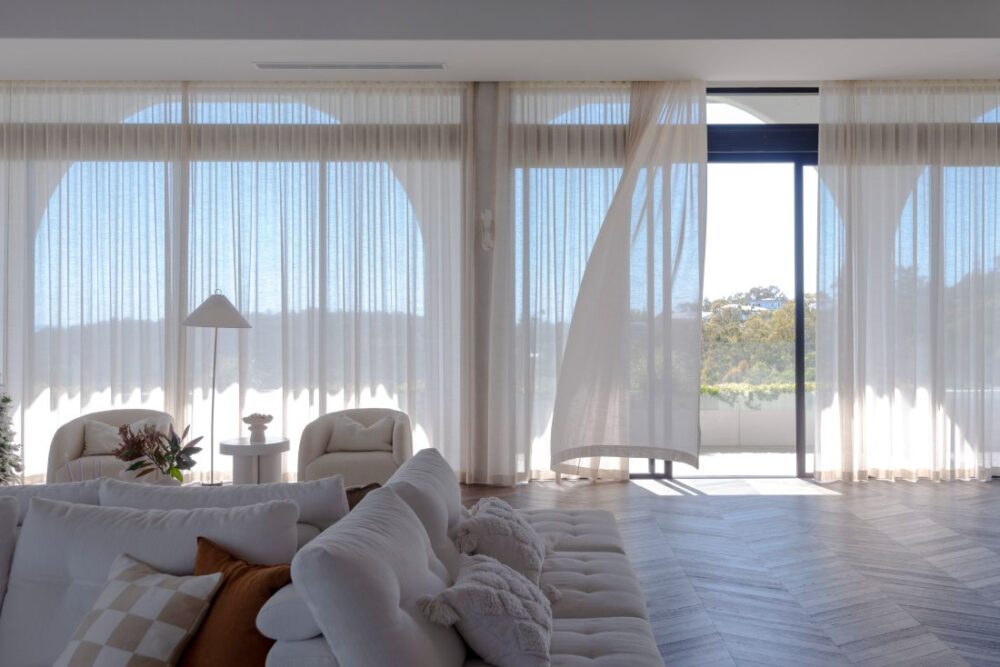
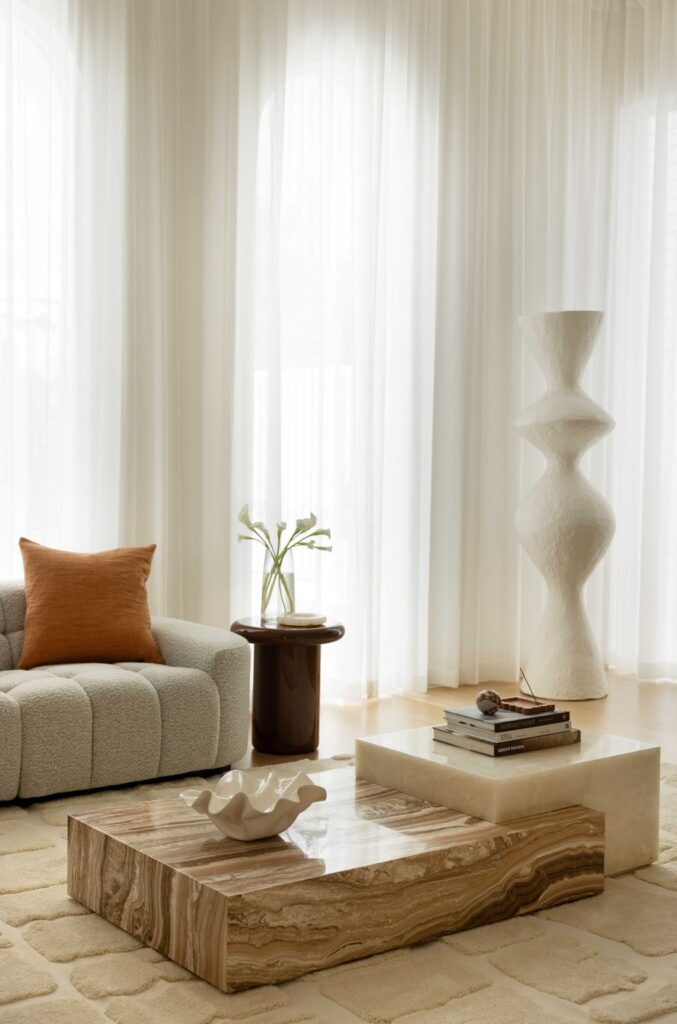
Sheer curtains gently filter natural light, reducing glare while allowing a room to remain bright and open. They can also provide a degree of daytime privacy, depending on the fabric’s weave and lighting conditions.
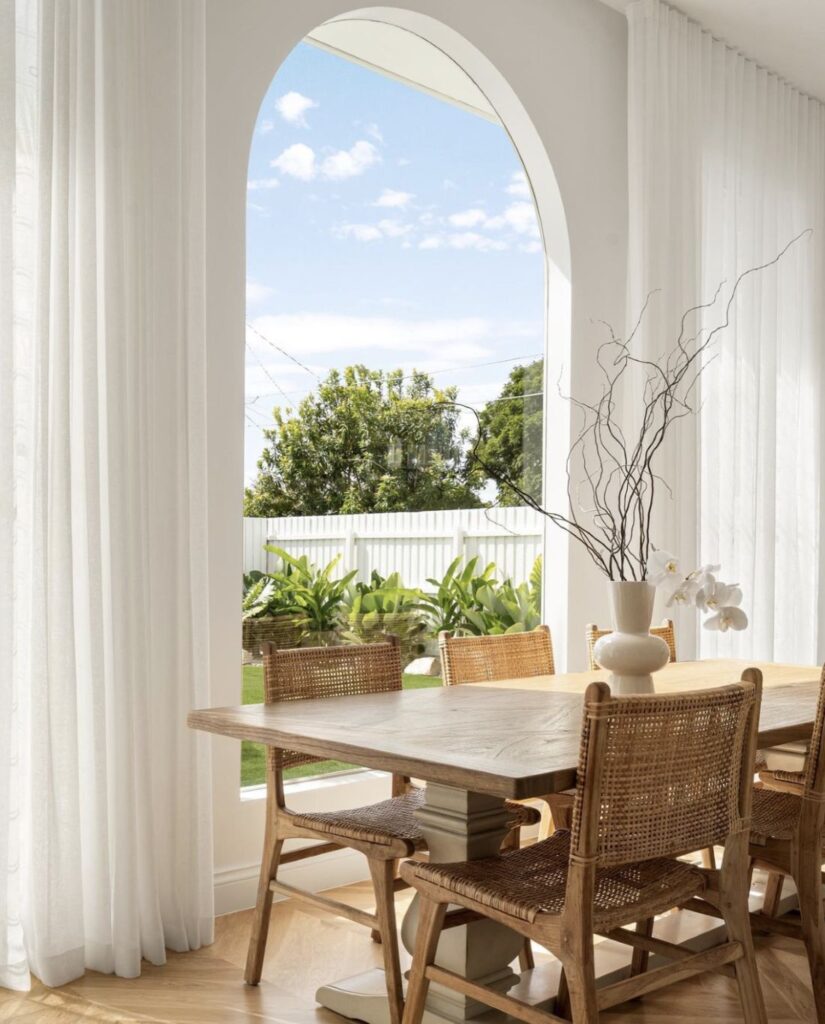
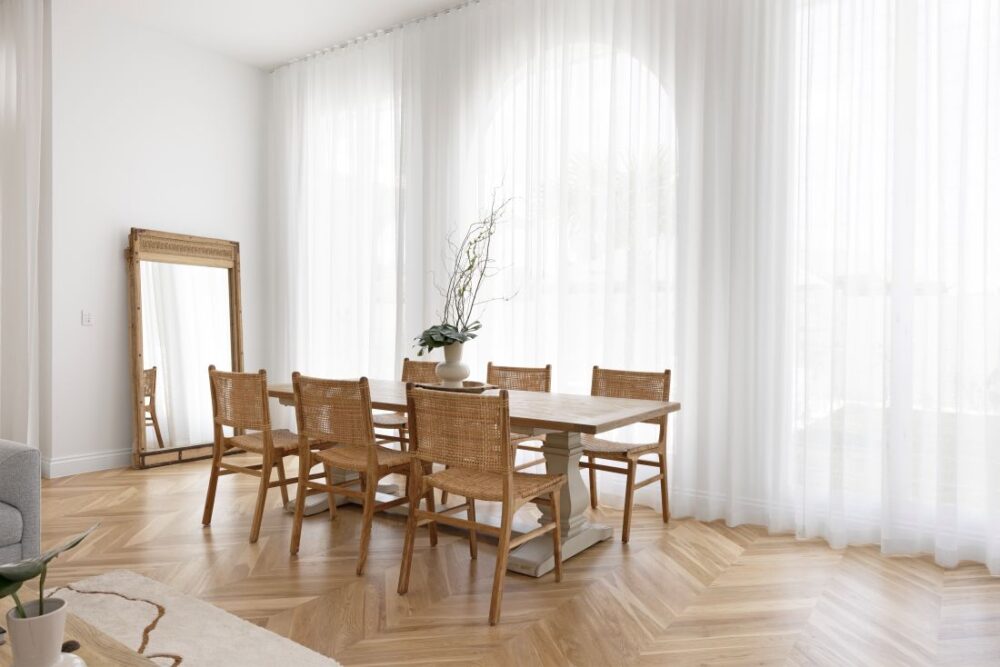
They’re especially lovely in living rooms, dining rooms and open-plan spaces where you want to maintain a connection to the outdoors.
However, it’s important to remember that sheers generally won’t provide privacy at night when your interior lights are switched on.
Blockout curtains
For bedrooms, media rooms and other spaces where darkness is important, blockout curtains are a fabulous option.
As the name suggests, blockout fabrics are designed to prevent light passing through the material, helping create a darker environment.
They can also provide additional thermal benefits by reducing heat transfer through windows, particularly when they’re well fitted.
Just keep in mind that even blockout fabric won’t necessarily create complete darkness if light can enter around the sides, top or bottom of the curtains.
My tip: If your room faces the street or neighbouring properties, consider both daytime and nighttime privacy. The last thing anyone wants is to feel like they’re living in a fishbowl!
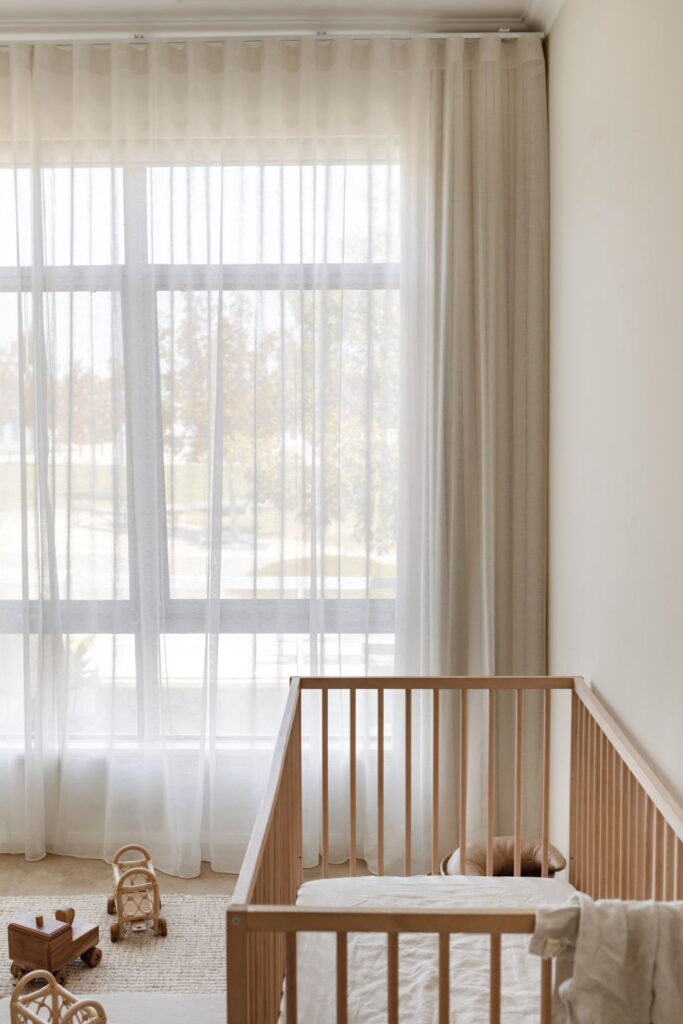
Can you have sheer and blockout curtains together?
Absolutely! In fact, this is one of my favourite window covering solutions because it offers the best of both worlds.
Double curtains combine a sheer layer and a blockout curtain on a double-track system.
During the day, you can keep the sheers closed to filter sunlight and maintain some privacy. In the evening, simply draw the blockout layer for greater privacy, darkness and insulation.
It’s an especially practical solution for bedrooms and street-facing living spaces.
Curtain & Blind Co offers double curtain systems that allow both layers to be installed together, rather than treating them as two separate projects.
Another option I often recommend is pairing sheer curtains with a blockout roller blind. This can be particularly effective when you want the softness of full-length curtains without the additional projection of a double curtain track.
Whichever combination you choose, think about how the layers will work together visually and practically.
How do you choose the right curtain fabric?
Now for the fun part — fabric selection!
While colour is often the first thing people consider, I’d encourage you to pay just as much attention to texture, composition and weight.
These details can dramatically change how curtains hang and the overall atmosphere they create.
Lightweight voiles
Voile fabrics are lightweight, translucent and beautifully soft. They’re ideal for creating an airy, floating effect, particularly in contemporary and coastal interiors.
Linen and linen-look fabrics
Personally, I’m a big fan of linen-look and linen-blend sheers.
They have a relaxed yet luxurious quality, introducing subtle texture without overwhelming a space.
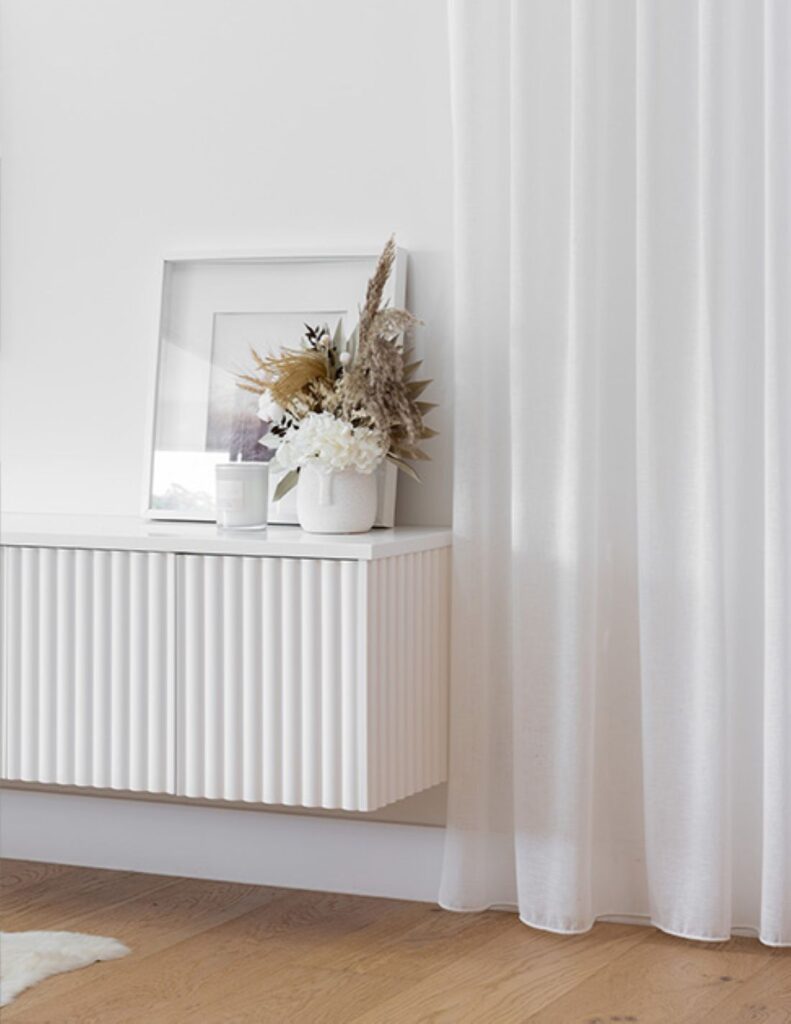
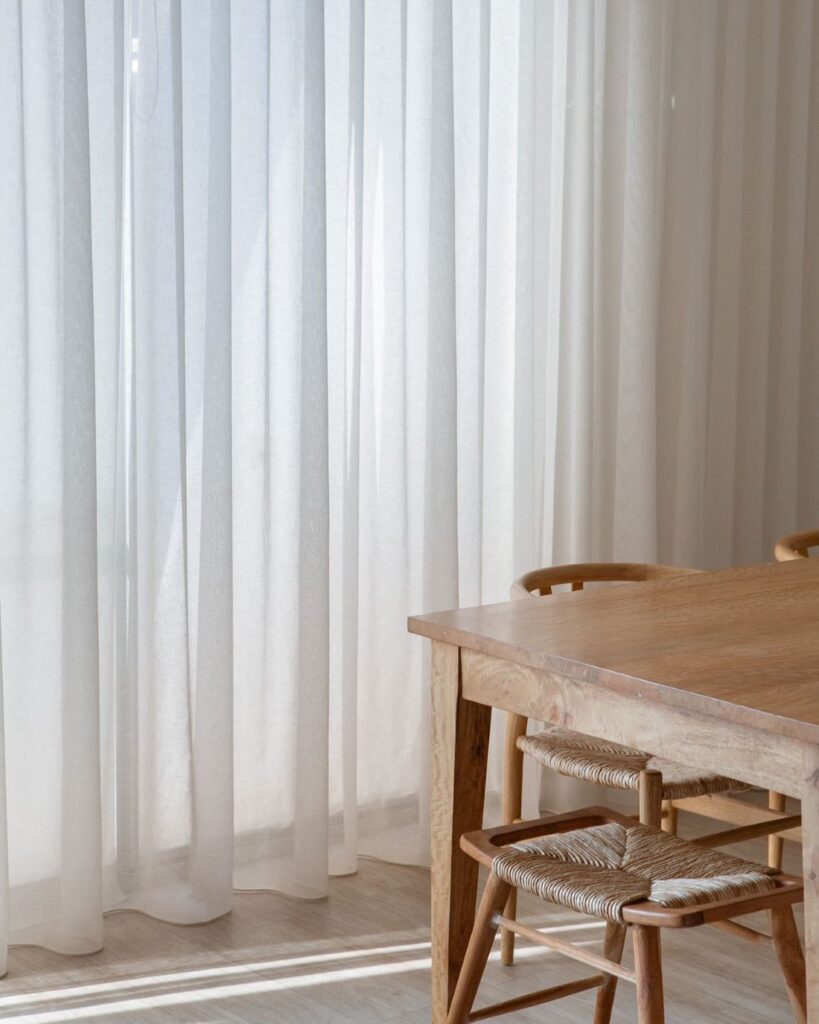
One of my favourite examples from Curtain & Blind Co is the Burano range in Vanilla. Its warm eggshell tone adds more depth than a crisp white while remaining incredibly versatile across different interior styles.
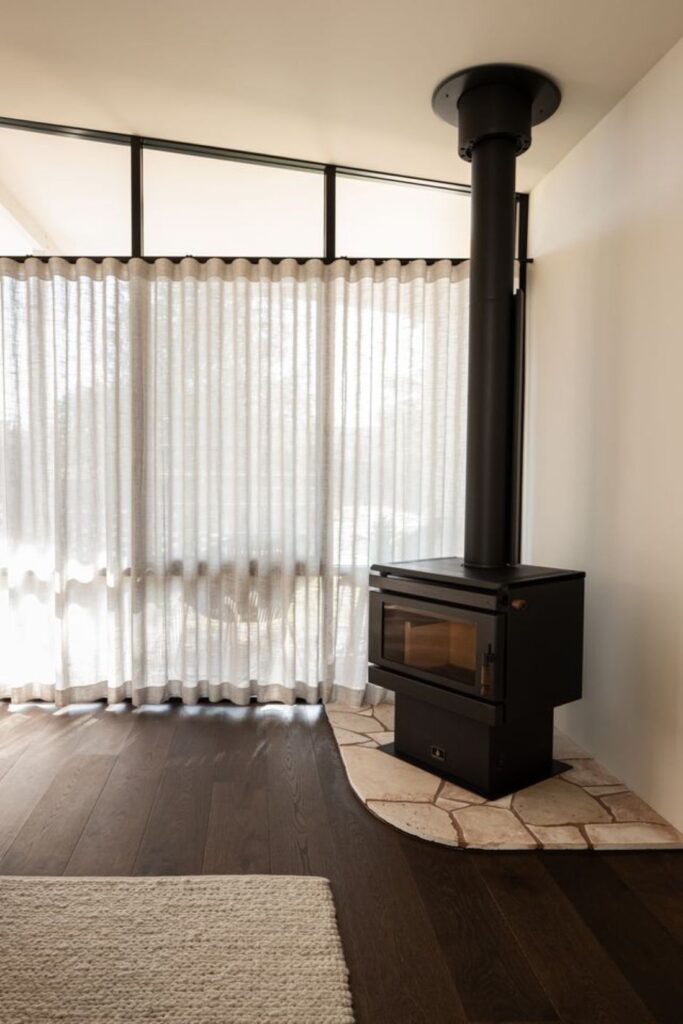
I also love the thicker, more textured weave of the Cloud range. It introduces a subtle pattern through texture rather than print, making it an interesting choice for a more layered interior.
However, I’d think twice about using a loose, textured weave in a home with cats or young children, where delicate threads could be more vulnerable to snagging.
Natural versus synthetic fibres
Natural linen is beautiful, but it isn’t always the most practical option.
Pure linen can be prone to creasing, fading and dimensional changes, particularly in spaces exposed to strong sunlight or humidity.
Polyester and polyester-blend fabrics have come a long way, with many offering a convincing linen-like appearance while being easier to care for and more dimensionally stable.
That said, always check the specific fabric’s composition and care instructions rather than assuming all synthetic fabrics perform the same way.
Another detail worth looking for is a weighted hem. This helps sheer curtains hang neatly and maintain their shape, particularly with lightweight fabrics.
Curtain & Blind Co includes weighted hems as standard across most of its sheer ranges.
What curtain colour will work best in your space?
When I first started working in interior design, I tended to play it safe by matching curtain colours closely to the walls.
These days, I’m much more confident introducing subtle contrast, texture and tonal variation.
Rather than choosing exactly the same shade as your walls, consider going a few tones lighter or darker.
For example, warm stone-coloured curtains against creamy white walls can create a beautifully layered, tonal interior. Similarly, a deeper taupe or earthy grey can add sophistication without introducing a bold colour.
The key is to pay attention to undertones.
A warm white curtain against a cool grey wall may look slightly yellow, while a cool white fabric in a warm interior can appear stark.
Natural light also makes a difference.
In Australia, south-facing rooms often receive cooler light, which can bring out blue or grey undertones. Choosing a warmer white or neutral fabric can help balance this.
North-facing rooms generally receive warmer, more direct sunlight, which can make the same fabric appear completely different.
And don’t be afraid to experiment with colour! Deeper tones can create a cosy, intimate atmosphere, while earthy greens, browns and muted colours can introduce personality without overpowering a room.
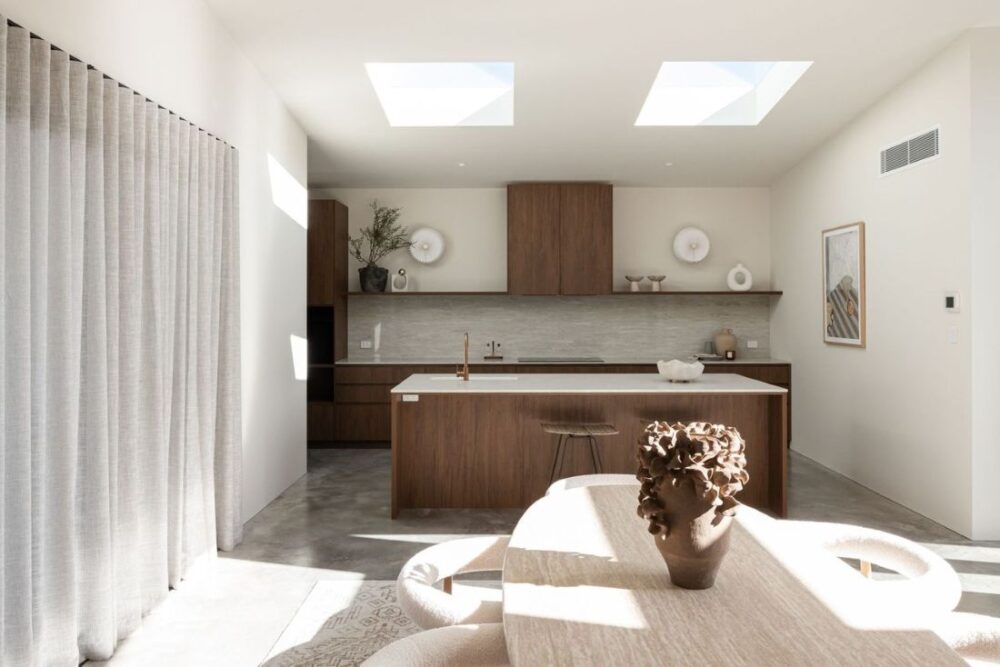
Where should curtains be positioned?
Curtain placement can make or break the finished look of a room.
One of the most common mistakes I see is curtains installed directly above a window frame, with the track extending only slightly beyond the glass.
This can make windows appear smaller and create a visually disjointed finish.
In contemporary homes, I generally recommend installing curtains as high and wide as practical.
Ceiling-mounted tracks are particularly effective because they draw the eye upwards, creating the illusion of greater ceiling height.
For an even more architectural finish, consider recessing the curtain track into the ceiling so the curtain heading is concealed.
This requires some forward planning during a new build or renovation, but the result can be stunning.
Another option is to extend curtains from wall to wall, creating one continuous backdrop rather than visually framing individual windows.
In traditional homes, however, decorative curtain rods and visible hardware can be a beautiful design feature.
For this look, I generally recommend positioning the hardware at least halfway between the top of the window and the ceiling, where practical.
As a starting point, allow at least 200mm beyond either side of the window frame, although extending the track further can create a more generous, balanced appearance.
My tip: Don’t forget about curtain projection — how far the curtains sit out from the wall. As a general planning guide, allow around 110-150mm for a single S-fold curtain and approximately 200-300mm for double curtains. The exact clearance will depend on the track, heading and installation method, so always check the supplier’s specifications.

Which curtain heading style should you choose?
The heading style refers to how the fabric is gathered or pleated along the top of the curtain. It’s a detail that can significantly influence the overall look.
Curtain & Blind Co offers four popular pleating styles:
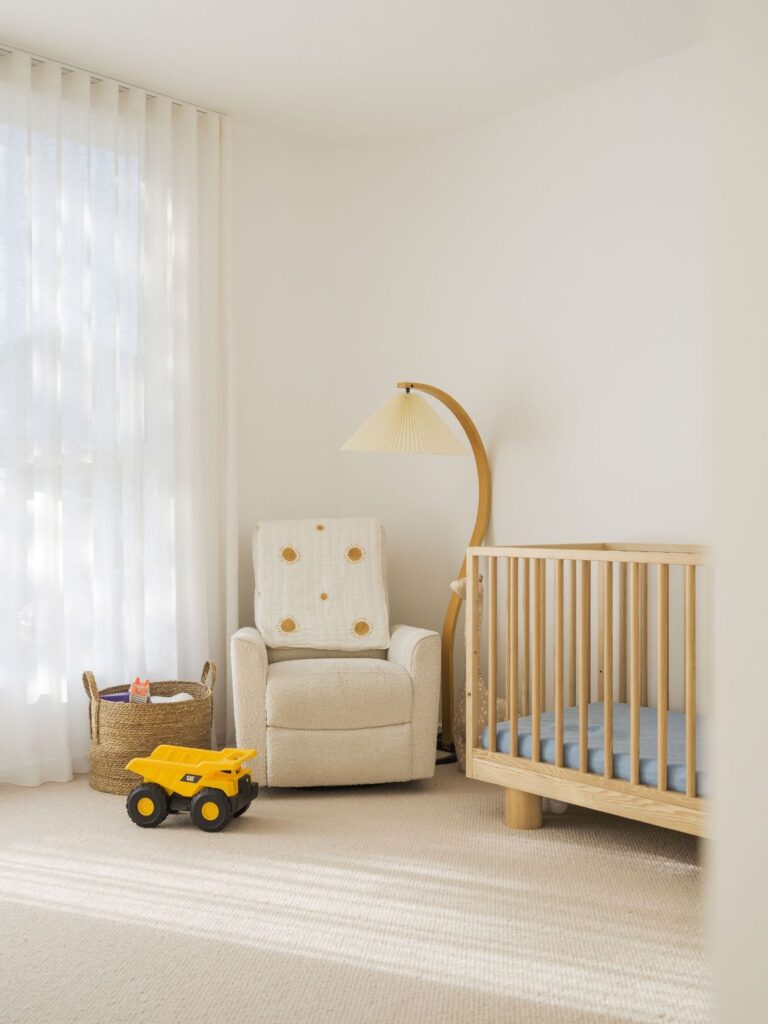
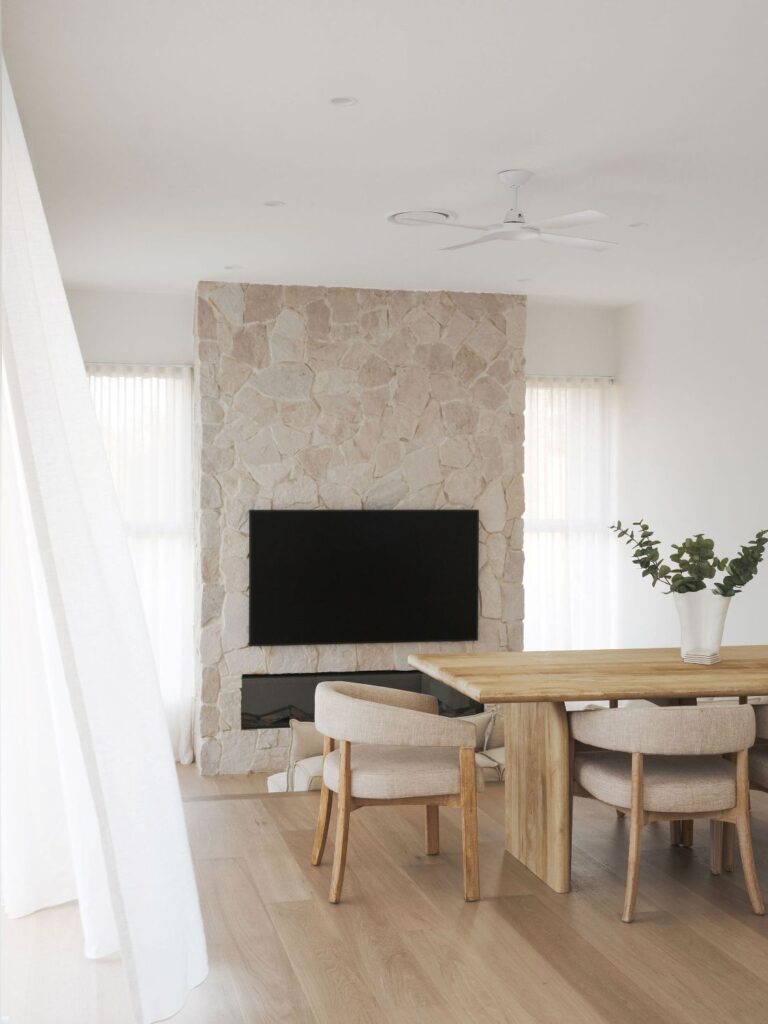
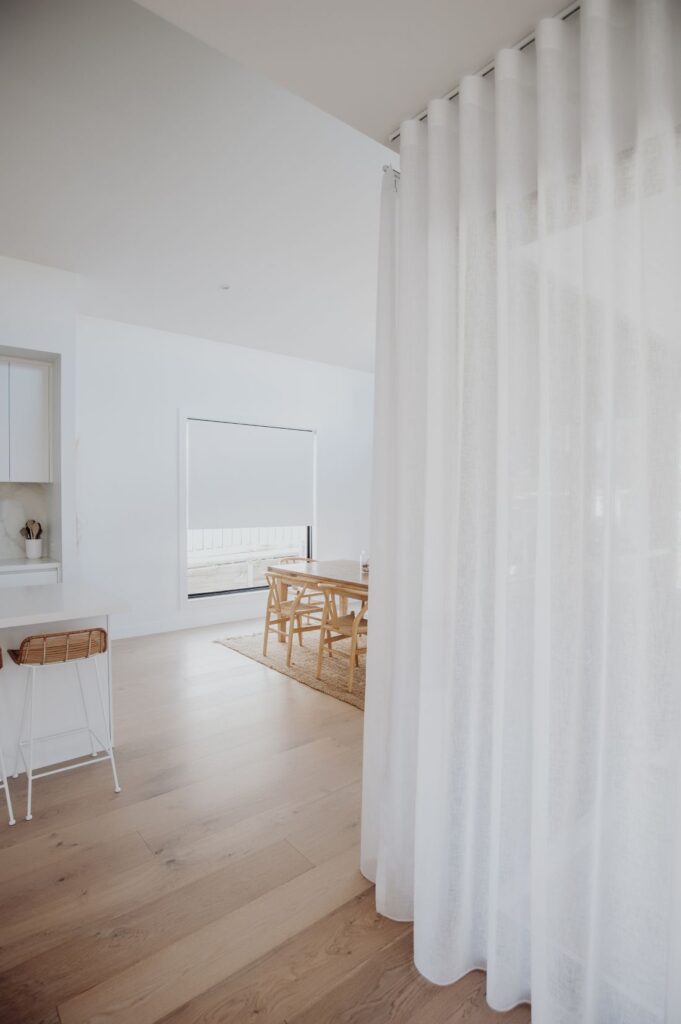
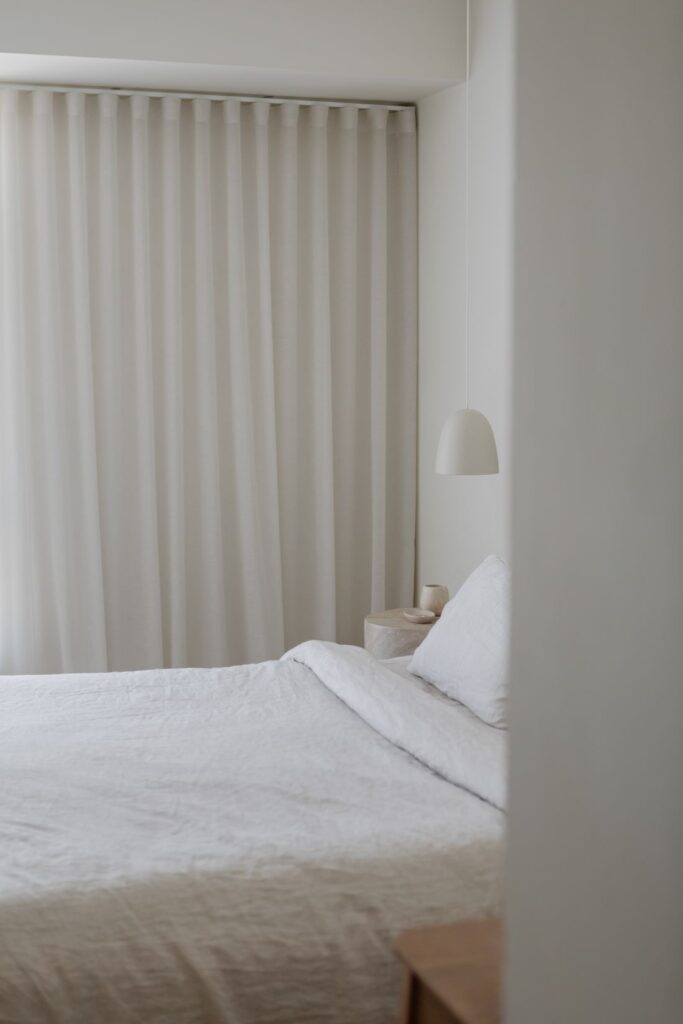
- S-fold curtains: Also called wave curtains, these create continuous, uniform folds from ceiling to floor. They’re one of my favourite options for contemporary homes because they look clean, architectural and beautifully streamlined.
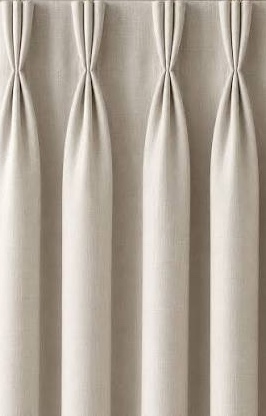
- Double pinch pleat curtains: A more tailored finish with fabric gathered into pairs of pleats. These work beautifully in both contemporary and traditional interiors.
- Triple pinch pleat curtains: Similar to double pinch pleats but with three folds gathered together, creating a fuller, more formal appearance.
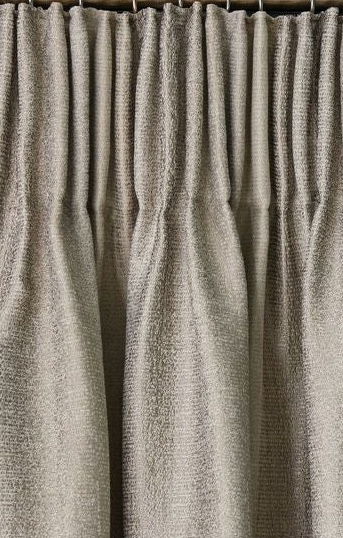
- Pencil pleat curtains: Featuring closely gathered, narrow pleats, this style creates a softer, more traditional finish.

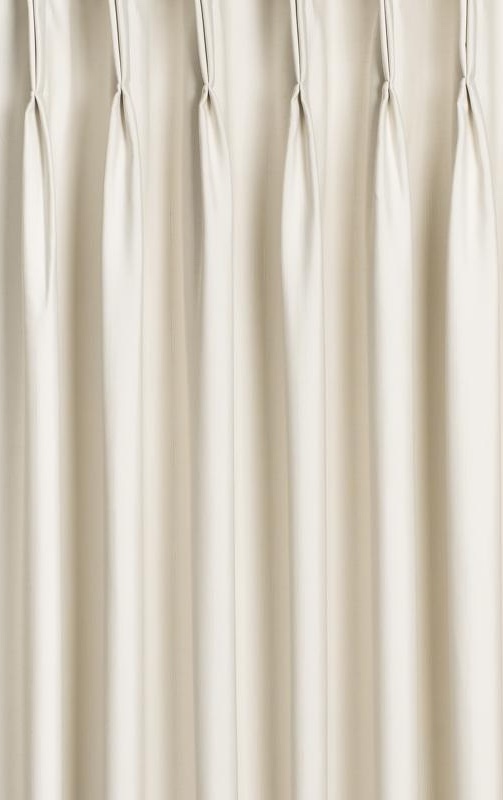
One practical consideration is how much space the heading requires.
According to Curtain & Blind Co’s specifications, S-fold headings typically require around 110mm of depth, compared with approximately 90mm for pinch pleats.
That difference can matter when you’re working within a shallow pelmet or bulkhead, or you’re considering a double curtain in a small space.
It’s also worth considering fabric fullness. S-fold curtains generally require generous amounts of fabric to create their characteristic waves. Curtain & Blind Co specifies at least 100% fullness for its standard S-fold curtains, meaning approximately two metres of fabric for every metre of track.
How long should your curtains be?
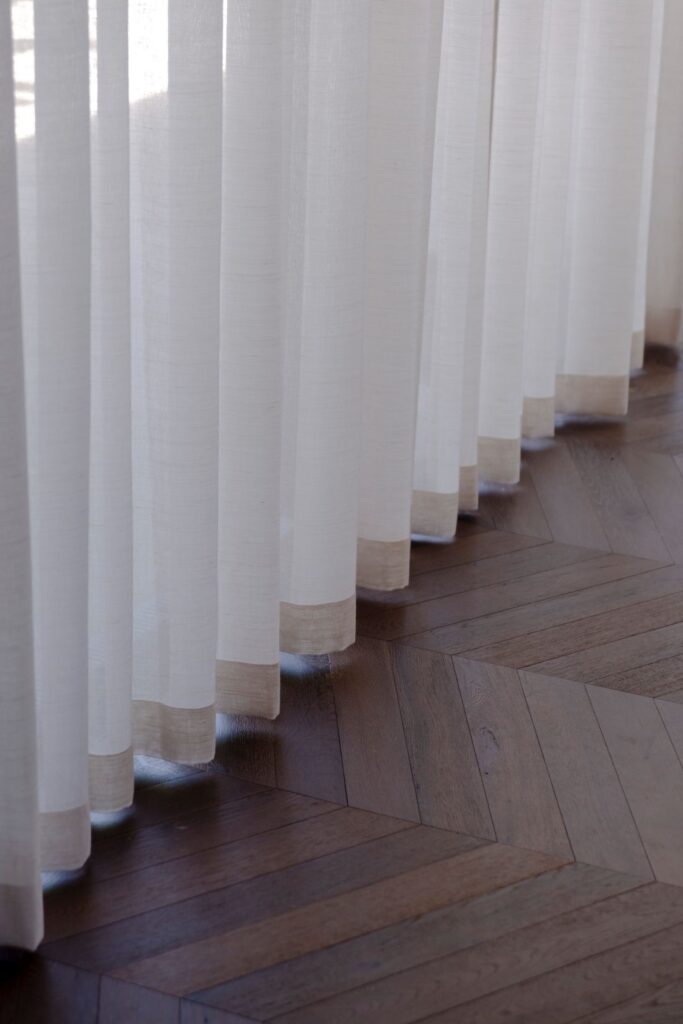
My preference is almost always for curtains that finish just above the floor or lightly kiss it.
Floor-length curtains create a beautifully resolved look and help visually elongate a room. Curtains that just skim the floor are particularly lovely in bedrooms, where you want to introduce softness and a slightly romantic feel.
For practical spaces, especially homes with pets or hard floors that need regular mopping, I often recommend leaving a small clearance above the floor.
And what about puddling curtains? I’ve lived with curtains that pool onto the floor, and while they can look incredibly glamorous, they’re not always practical!
The excess fabric collects dust and can become frustrating when cleaning, particularly in busy family homes.
Unless you’re deliberately creating a romantic, traditional interior, I’d generally suggest a neater floor-length finish.
How do you measure for made-to-measure curtains?
One of the biggest misconceptions about custom curtains is that you need a professional to measure and install them.
While professional installation is always an option, many online suppliers have simplified the process so homeowners can measure and order themselves.
With Curtain & Blind Co, the process generally requires two key measurements:
- Track width: Measure the full width of the area where your curtain track will sit.
- Curtain drop: Measure from the top of the proposed track position down to the floor.
For windows where the track doesn’t extend across the entire wall, the company recommends extending it approximately 150–300mm beyond each side of the window frame where space allows.
This gives the curtain fabric room to stack away from the glass when open.
When ordering from Curtain & Blind Co, enter your measurements exactly as taken, without adding or subtracting any allowances. The company makes the necessary adjustments during manufacturing to ensure the finished curtains fit correctly.
Keep in mind that measuring requirements can vary between suppliers, so always follow the instructions provided by the company you’re ordering from.
Once you’ve entered your dimensions on the product page, the price updates instantly. This makes it easy to compare fabrics and configurations before committing.
Made-to-measure curtains are then cut and sewn specifically for your dimensions, including the fabric fullness needed to create the chosen heading style.
Curtain & Blind Co can manufacture single curtains up to five metres wide, with centre-opening pairs available for wider spans up to seven metres. Selected ranges also accommodate drops of up to six metres.
These options make custom curtains suitable for everything from standard bedroom windows to expansive sliding doors and double-height spaces.
My tip: Before finalising your measurements, check how your windows and doors operate and where the curtains will stack when open. For example, a sliding door positioned close to a wall may need a different curtain opening configuration to avoid obstructing access. If in doubt, select free flow.
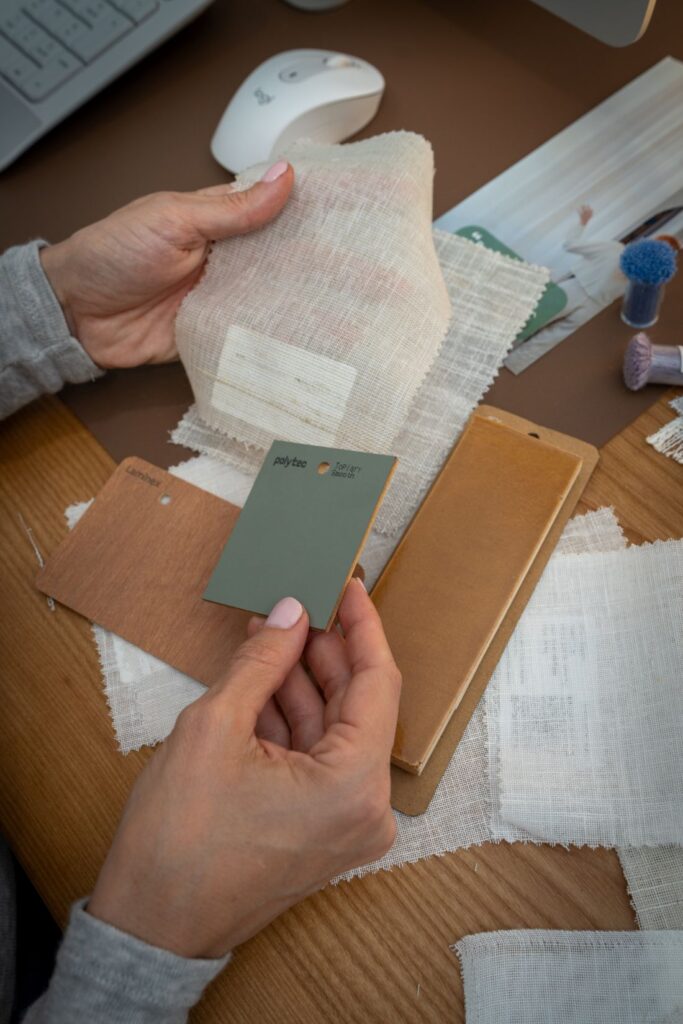
Why should you order curtain fabric samples first?
If there’s one step I’d never skip when choosing curtains, it’s ordering fabric samples!
A fabric can look completely different online compared with how it appears in your own home.
Lighting, wall colours, flooring and surrounding materials can all influence its appearance.
I recommend placing samples against your walls and viewing them at different times of the day.
Look at how the fabric responds to direct sunlight, softer afternoon light and artificial lighting in the evening.
Pay attention to texture and transparency, too. A sheer fabric that appears beautifully opaque when folded may become considerably more transparent when held flat against a window.
Ordering samples also allows you to compare different undertones and fabric weights before making a larger investment.
It’s a simple step that can save a lot of second-guessing!
What curtains work best in different rooms?
While there’s no one-size-fits-all approach, these are some of my go-to recommendations.
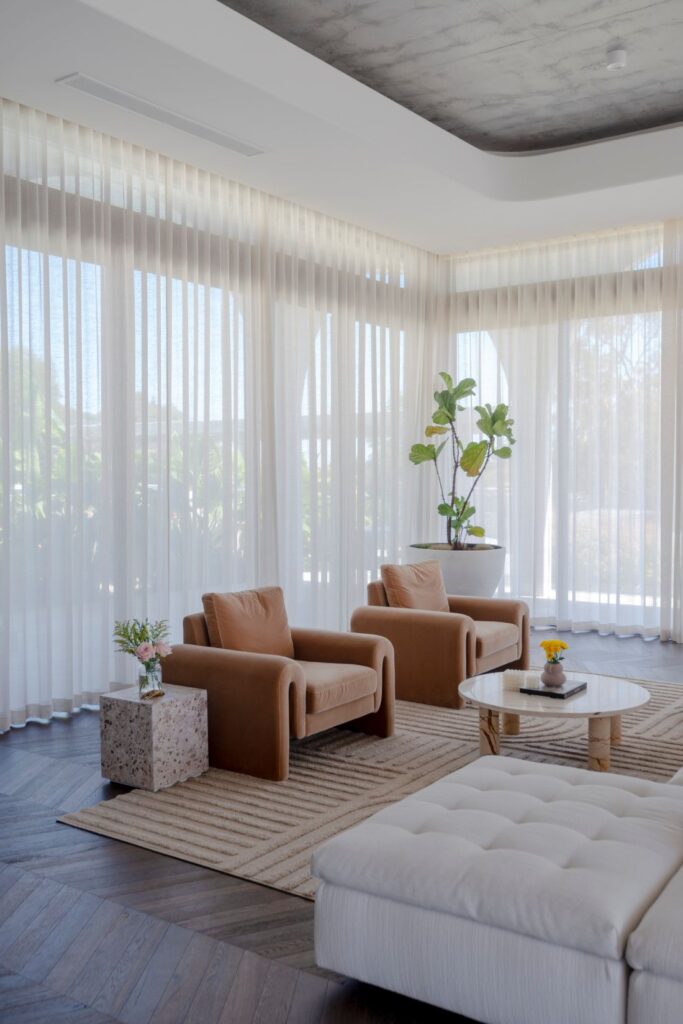
- Living rooms: Sheer curtains are ideal for creating a soft, inviting atmosphere while filtering natural light. Consider layering with blockouts if you need nighttime privacy or you want the flexibility to create a cinema-like atmosphere when enjoying movies.
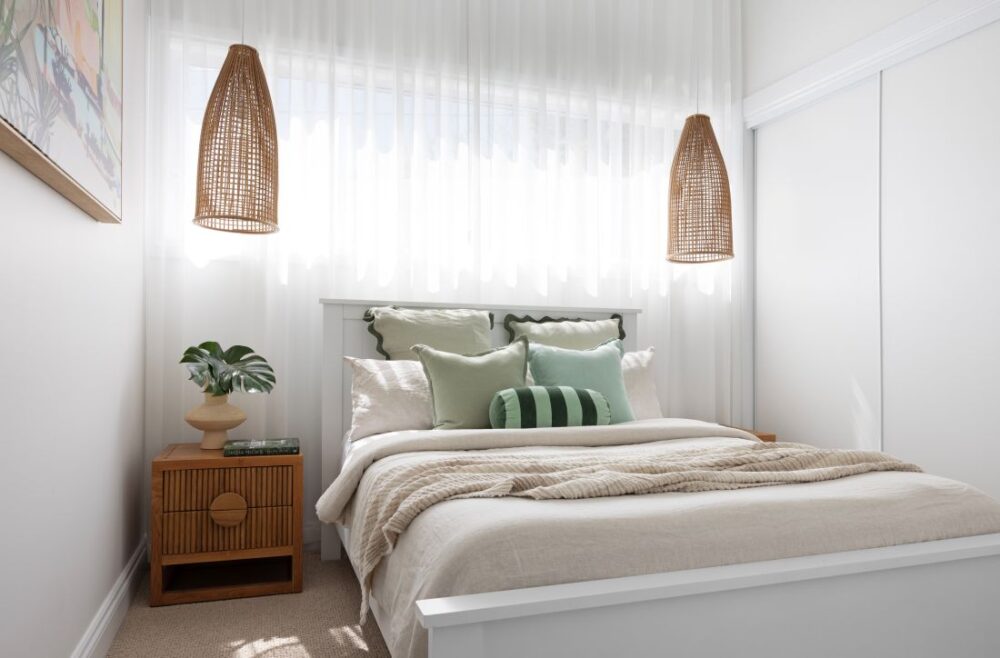
- Bedrooms: Prioritise blockout curtains for light control and privacy. The heavier or coated fabric of blockouts can also offer better thermal insulation, helping to keep bedrooms cooler in summer and warmer in winter. Layering with sheers gives you the flexibility to enjoy soft, filtered natural light during the day, and maximum privacy and darkness at night.
- Home offices: Light-filtering curtains can help reduce glare on computer screens without making the room feel dark.
- Dining rooms: Textured fabrics are a beautiful way to introduce warmth and softness, particularly in spaces with hard flooring and lots of reflective surfaces.
- Children’s bedrooms: Choose durable, easy-care fabrics with effective light control. Also ensure tracks, cords and any operating mechanisms are installed safely.
- Bathrooms: Although curtains can look stunning in oversized bathrooms, I’d generally avoid them in smaller or poorly ventilated spaces where moisture and mould can become an issue.
Can you motorise your curtains?
Absolutely! Motorised curtains are becoming increasingly popular. Rather than manually opening and closing your curtains, a discreet motor does the work for you — and you can generally control this from the palm of your hand with a remote or app. Some even allow you to schedule your curtains to open and close automatically at certain times of the day.
Beyond the convenience factor, motorisation is particularly useful for large expanses of glazing, double-height windows or curtains positioned behind furniture where they’re difficult to reach.
It’s also worth considering if you’re planning to age in place or want to make your home more accessible.
My tip: If you’re building or renovating, consider motorisation early in the design process. Some systems require access to a power point or concealed electrical wiring, while others use rechargeable battery-operated motors. Planning ahead can ensure you get the solution you want without having to retrofit wiring.
What happens after you order custom curtains?
Once you’ve selected your fabric, heading style and measurements, the hard part is done!
Curtain & Blind Co manufactures its curtains and tracks in its own Australian factory, using fabrics sourced from trusted suppliers.
Made-to-measure orders generally take around four to six weeks from ordering to delivery.
The curtains arrive ready to hang and are designed for customer installation, making the process more accessible than many people expect.
Of course, if you’re uncomfortable installing tracks yourself, particularly in rooms with high ceilings or complicated configurations, it’s worth engaging a professional installer.
Beautiful curtains are worth getting right
I’ve always believed that the finishing touches are what take a home from simply furnished to beautifully designed.
And curtains are one of the most transformative finishing touches of all.
Beyond their practical benefits, they introduce softness, movement, texture and a sense of completeness that’s difficult to achieve with furniture alone.
My biggest advice? Take your time with the decisions that matter. Start with function, consider how the fabric will look and feel, pay attention to placement and proportions, and always order samples before committing. You can explore the full range of curtains on the Curtain & Blind Co website here.
More design advice