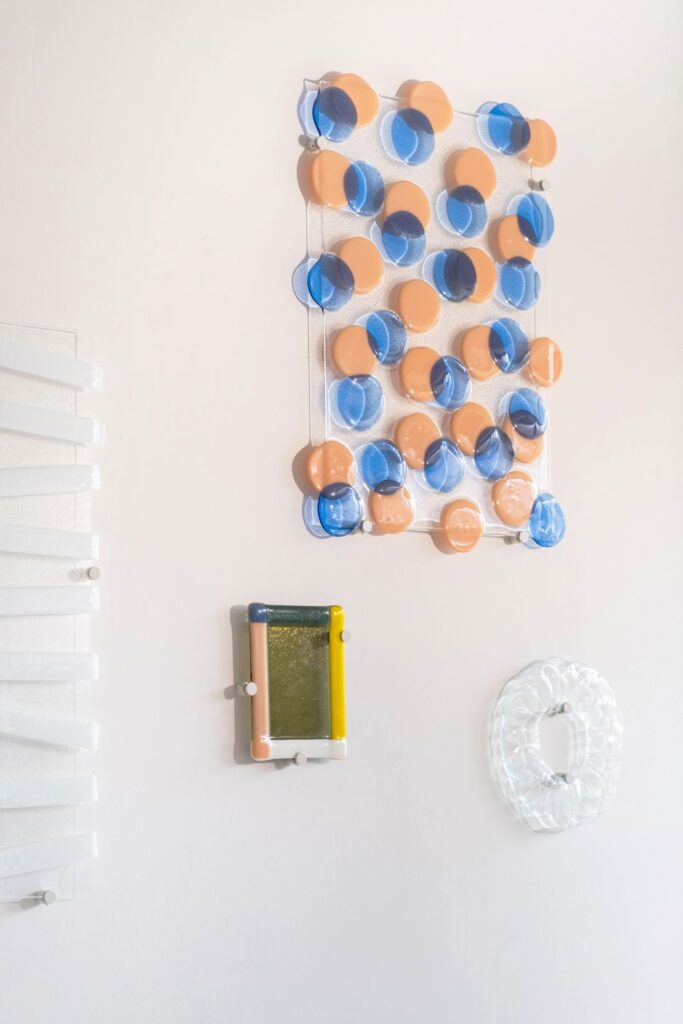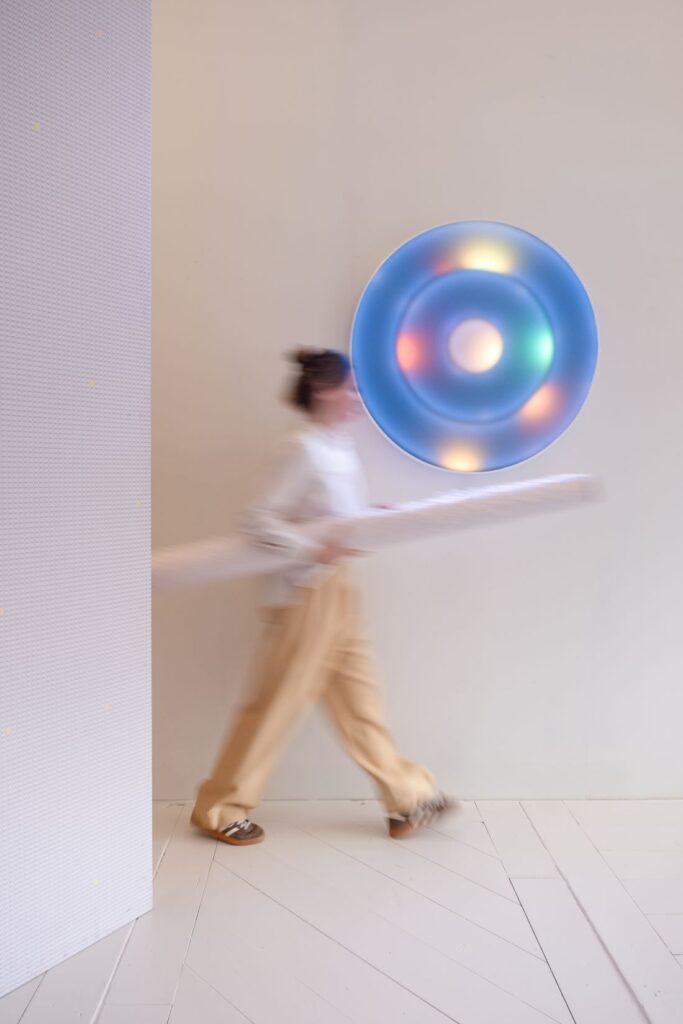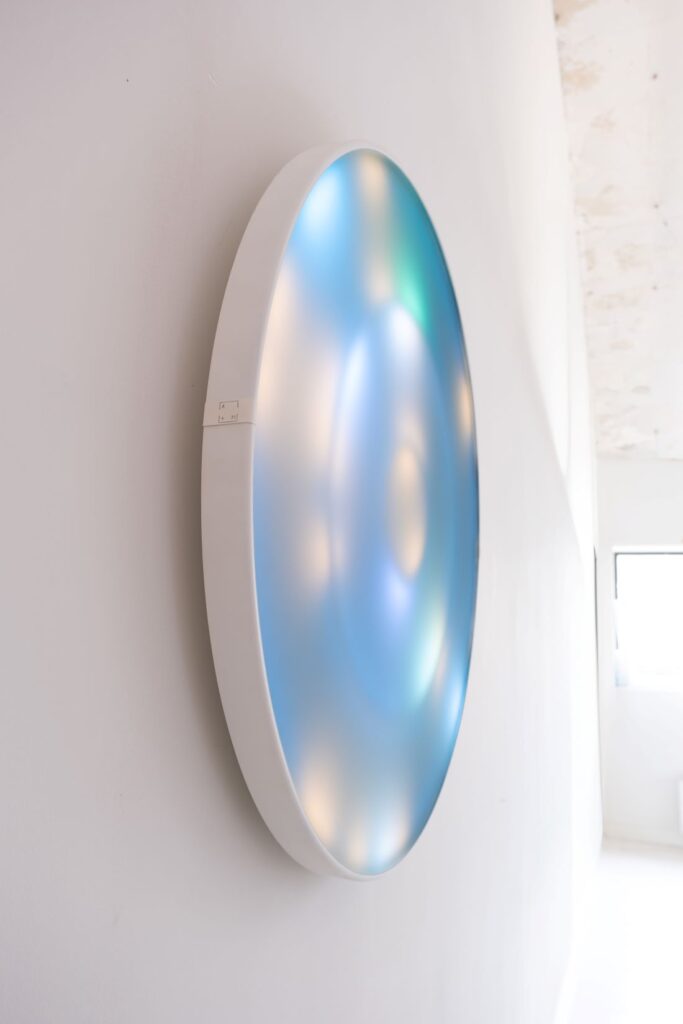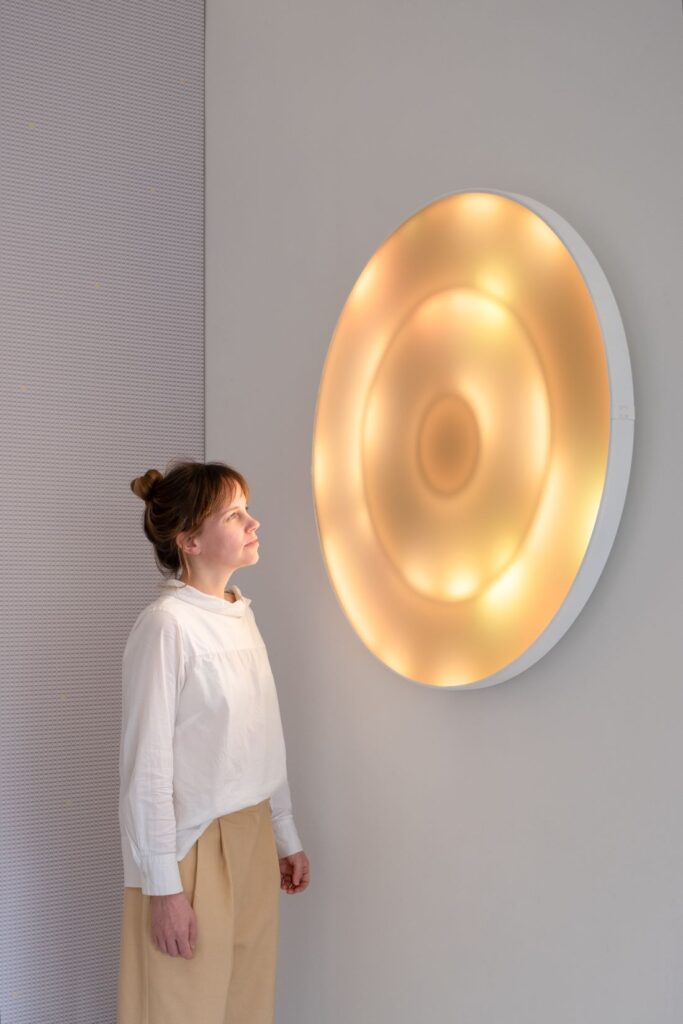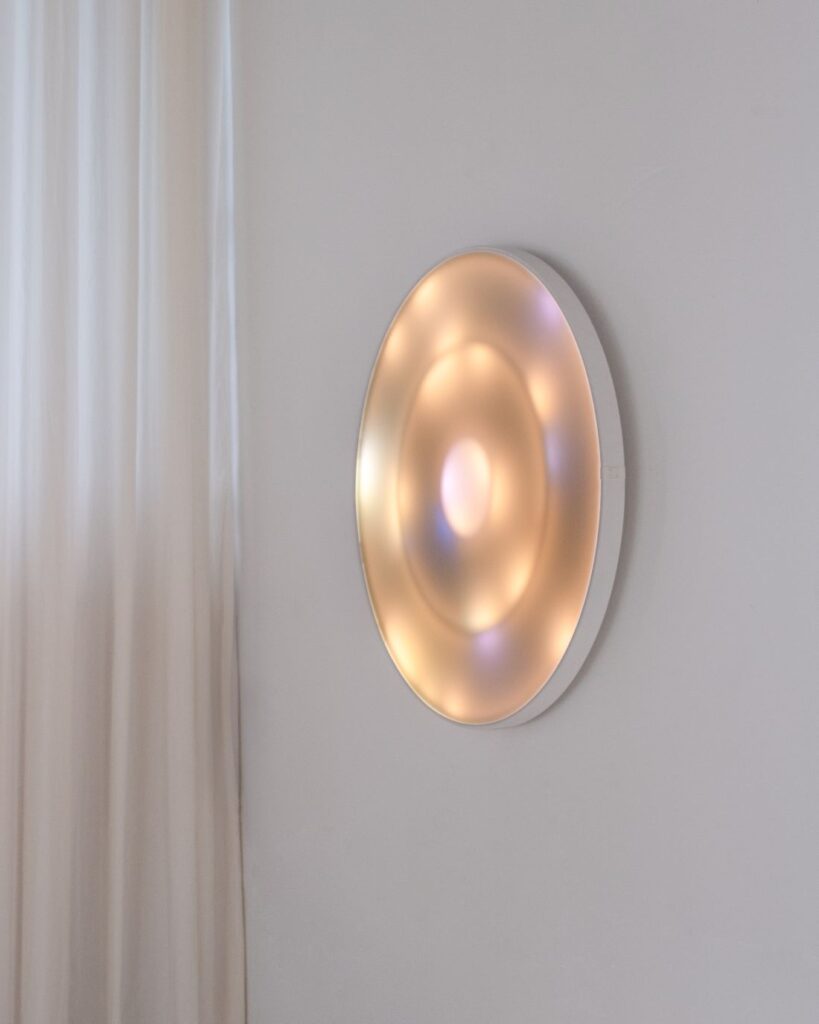
Picture wind rippling through tall grass. Now imagine you could capture that movement and hang it on your wall. That’s the magic Alissa van Asseldonk and Nienke Bongers chase in A + N Studio. Together they create sensory art, objects and installations made to be touched, played with and looked at twice.
Let’s meet this creative duo.
Related article: The intriguing, tactile wall sculptures from Fibrous Design
Related article: Delicate, handcrafted masterpieces from glass artist, Amanda Dziedzic

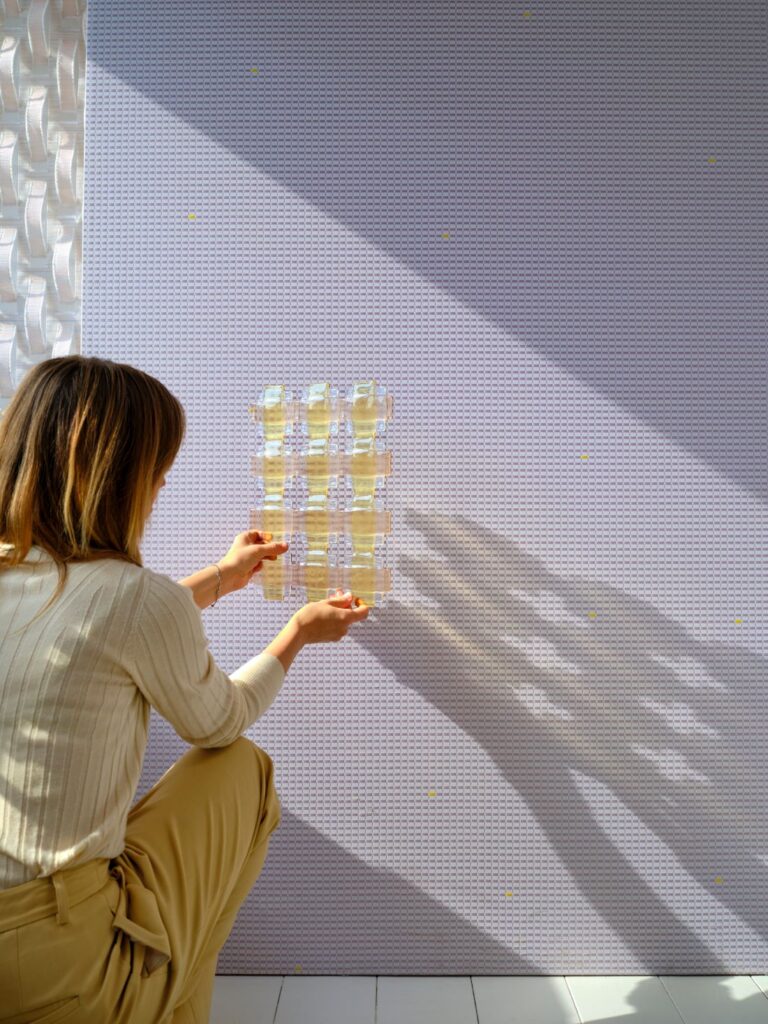
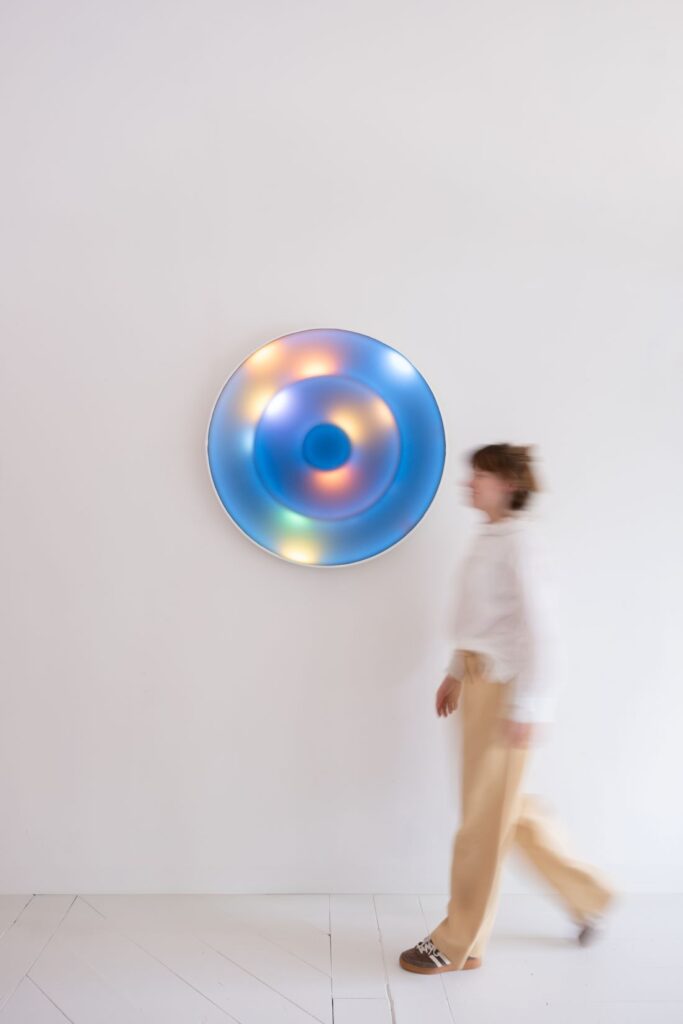
Alissa and Nienke create sensory art that is waiting to be discovered.
“We are Alissa van Asseldonk and Nienke Bongers. We met at Design Academy Eindhoven (DAE) in The Netherlands, but of course our creative journey started long before,” explains Alissa, one half of the A+N Studio duo.
“I remember always doing crafts from an early age. Later, I chose my secondary school because of its large arts department. It took me a long time before I realised I could do a creative education and a creative job as well.
“For Nienke it was always obvious she would end up doing something creative. After secondary school she did a pre-art school course to discover which direction she wanted to go in, fashion or design. She chose design, ended up at DAE and in the third year we met each other.
We create sensory work that is really there to be discovered. Work that makes you experience and question your surroundings in new ways.
“We create objects, installations and materials that need to be touched and played with. How we do this is through material exploration and research on the theme of wellbeing and how people experience a space.
“We are usually fascinated by the effect of a material. From there we develop and prototype to grasp this ‘effect’ and bring it to other people through our designs.”
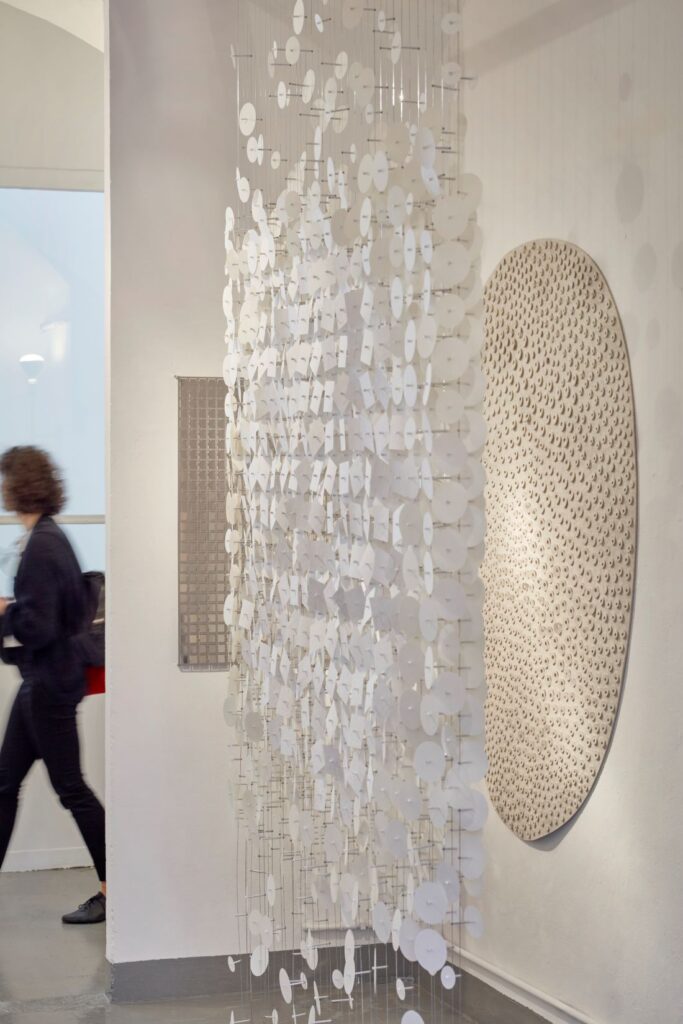

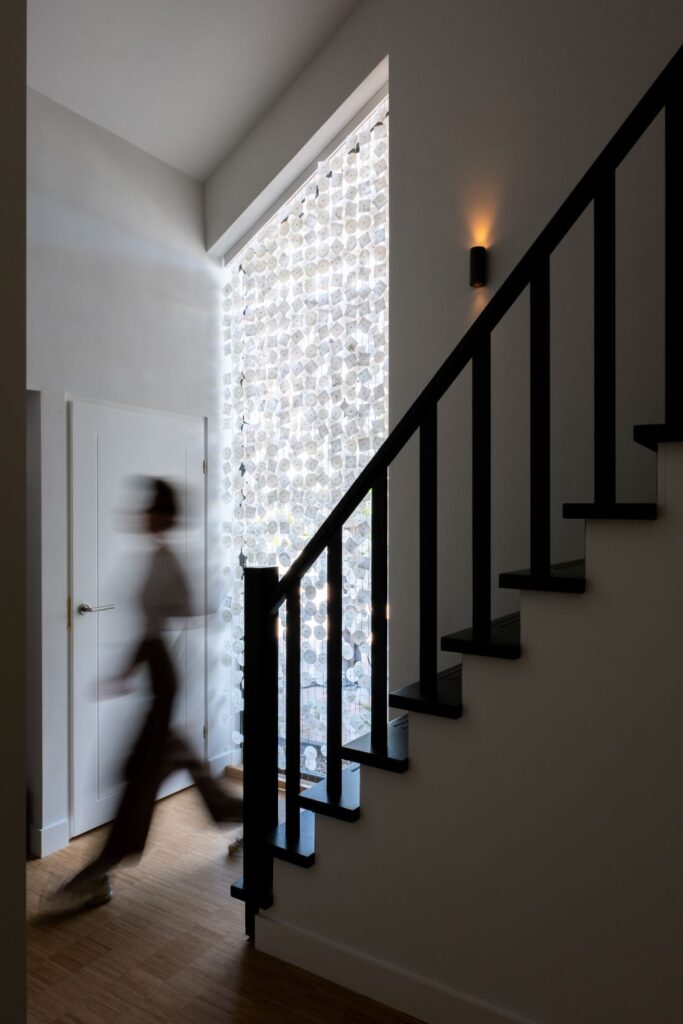
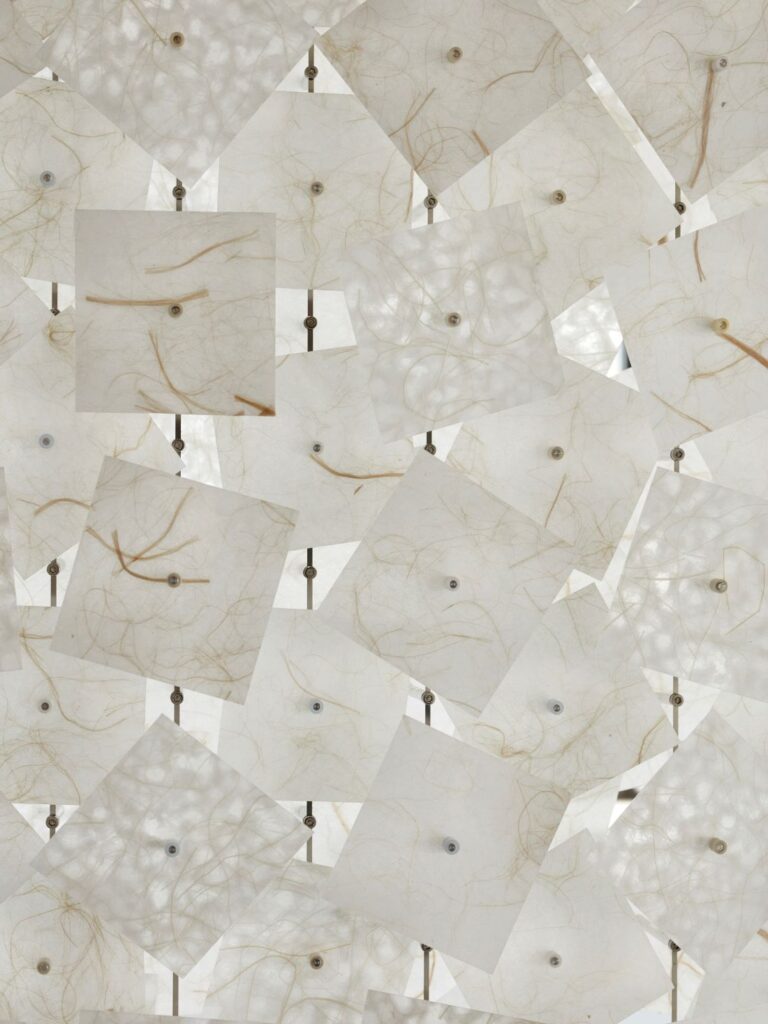
Their pieces are works that support wellbeing for everyone, evoking surprise, curiosity and inviting you to take a closer look.
“All our pieces are connected to wellbeing. We are making an impact for a very diverse group of people,” explains Alissa. “Our works are designed to surprise and attract, stimulating the viewer to move closer and really discover it. We want our work to give them another experience of a space.
“Our hope is that our work enriches peoples homes, making it a more sensory space and moving beyond the flat surfaces.
“We really believe in a thinking-through-making approach. Just start, craft, create something you can hold in your hands and play with as soon as possible.
“This generates new ideas already in the process, especially when you can experiment with a prototype itself. Holding it in the light, feeling it, touching it.
“For all projects we do we keep samples, so we are building a material library of possibilities, physically present in our studio.”
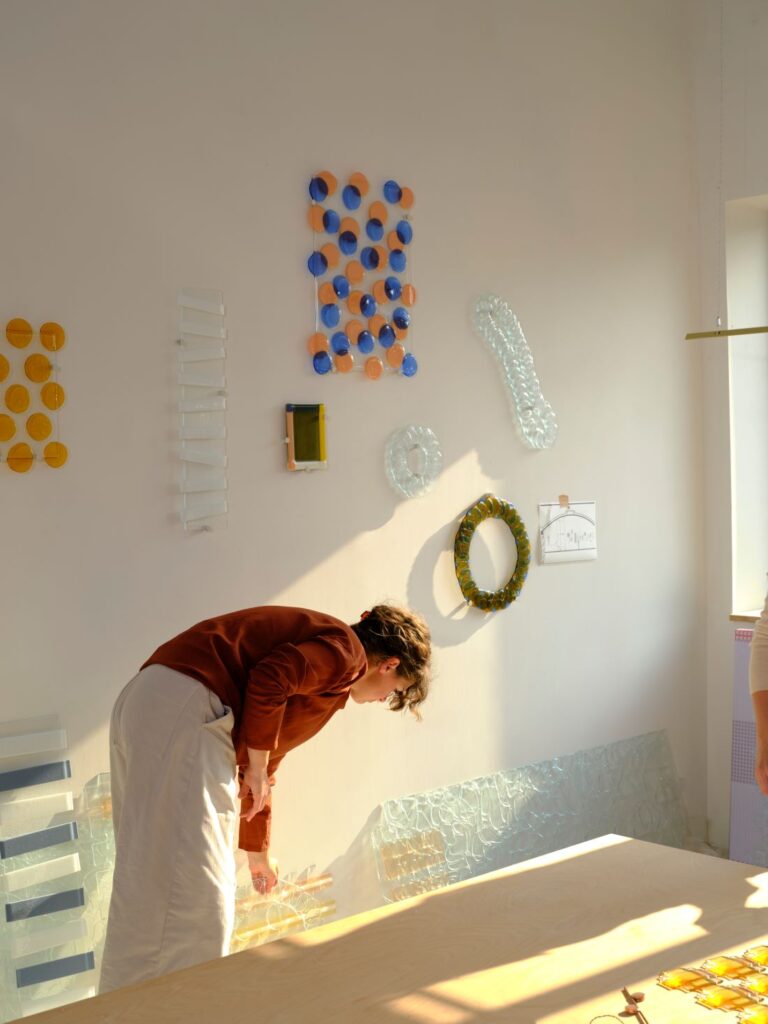
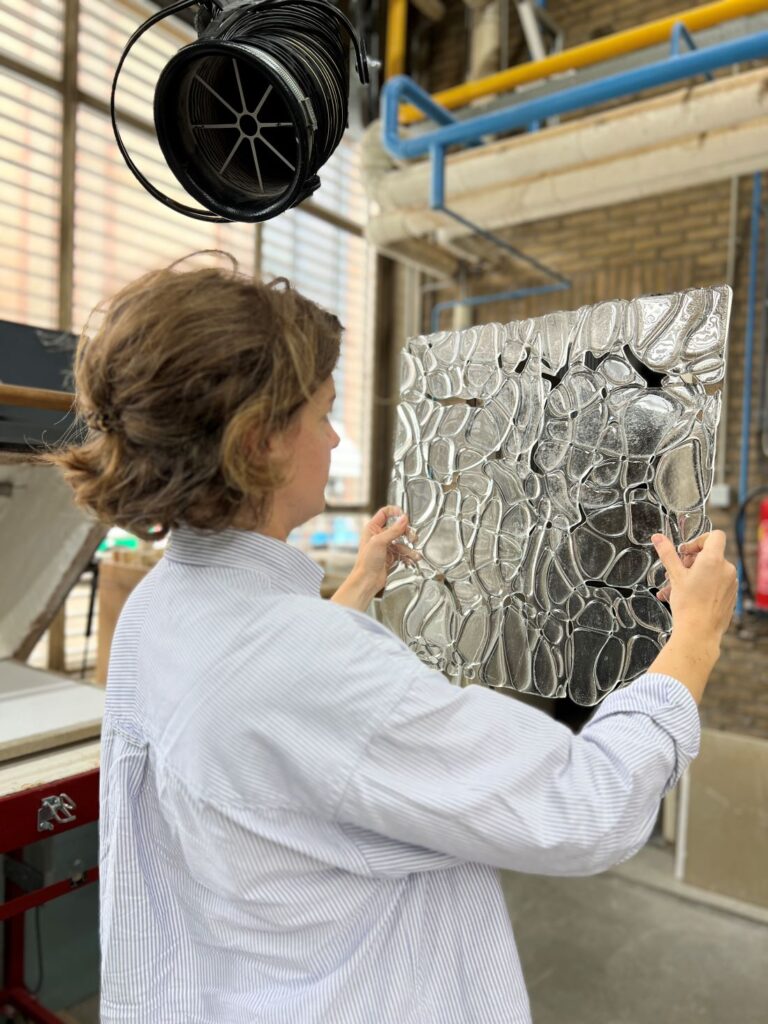
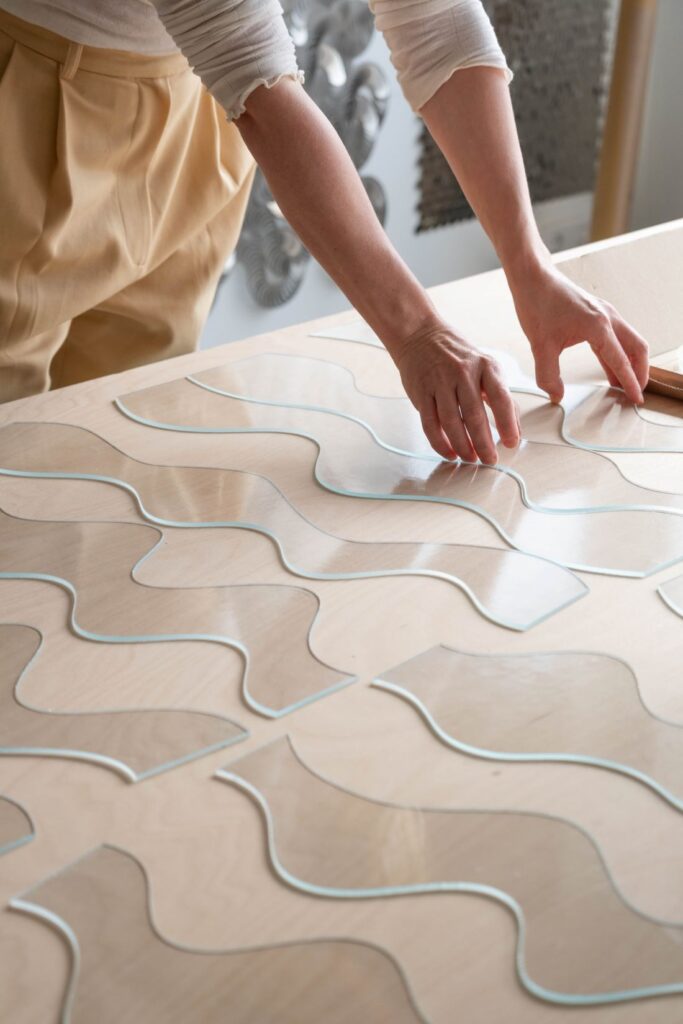
The sensory art pieces Alissa and Nienke create come about from brainstorm to prototype and back to the screen.
“Usually we go from brainstorming, picking things from our library and setting research paths,” says Alissa. “Then we start sketching and researching a context at the same time.
“From there we narrow the brief, or create our own brief, and define material directions. Then prototyping and testing starts. This is the real making.
“When we have samples, we reflect on them by testing them in our studio. Ideally we also test samples in the context and get feedback from the target group. This process can repeat itself until we come to the final design, which is always dictated by the material effect.
“So we iterate by going from handwork to computer to handwork to computer. Usually our designs are really a mix. Hand-drawing patterns on a computer, or hand-cutting parts to prototype and later assemble an installation in a 3D programme.
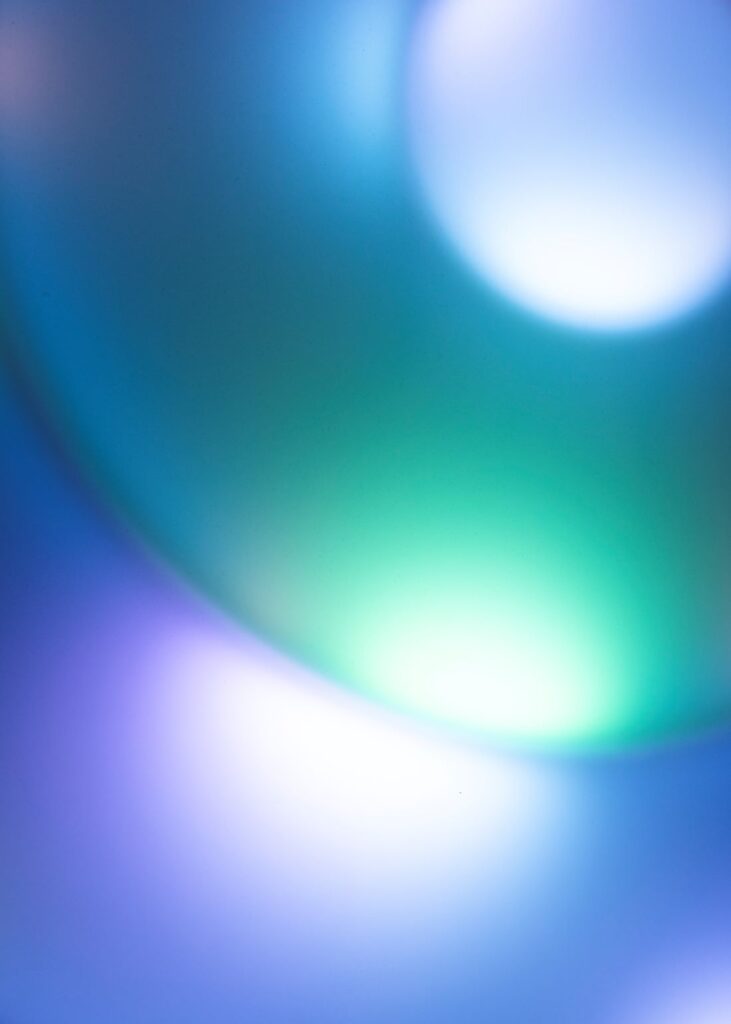
“Colour is a big one too. Colour testing is a big part of our work.”
A big thank you to Alissa for sharing her and Nienke’s story with us. We loved learning how their sensory art goes from a simple sample to a piece you can’t help but touch. To see more of their work, visit their website, and follow them on Instagram.
More artist chats here