
If you’ve ever applied for a home loan, you’ll know it can feel like an endless stream of paperwork, questions and waiting for someone to say yes! I’d forgotten just how in-depth the application process is until I went through it again last year. Having to fill in pages and pages of paperwork, gather months worth of bank statements, payslips and more… it brought back memories I’d suppressed, haha.
In all seriousness though, buying a home can already feel overwhelming so the last thing you need is for the home loan application to add extra stress to the pile. As the age-old saying goes, knowledge is power and so today I’m chatting with an expert in the field to ask your top home loan questions. Daniel Carter, a Senior Mortgage Broker at Savvy, shares his practical insights and tips to help empower you when it’s time to apply for a home loan.
Related article: What to look for when choosing the right builder for your first home
Related article: From worst to first: An incredible before and after home transformation
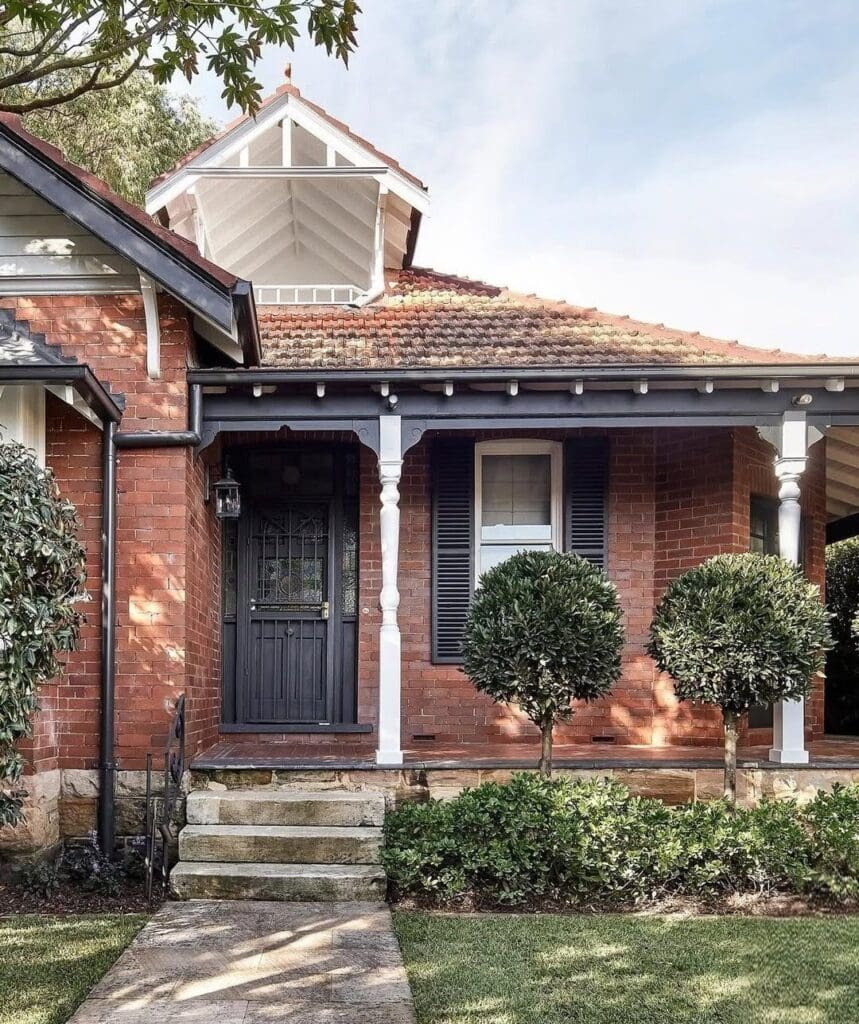
Start by seeing your finances the way a lender does.
Before you get swept up in Saturday open homes, it helps to understand what a lender considers when setting your borrowing amount: Can this person comfortably keep up the repayments?
“Focus on your financial position first and foremost,” says Daniel. “A lender won’t lend you money if they don’t think you can maintain repayments.”
There’s also a safety margin built in. APRA-regulated lenders are required to test your application at your actual interest rate plus 3 percentage points, which is why the amount you feel you could afford is often higher than what a lender will approve.
Check your credit report and rein in credit
Your credit file is one of the first things a lender looks at, so it pays to see it before they do. You can get a free copy of your credit report every three months from Equifax, Experian and illion, and each one may hold slightly different information, so it’s worth checking all three. If you spot a mistake, get it corrected well before you apply.
Two things catch people out:
Buy now pay later counts. It’s easy to think of Afterpay and Zip as ‘not really debt’, but BNPL is now regulated under Australia’s consumer credit laws and lenders may take your usage into account. If you’re planning to buy a property in the next year, it’s worth curbing this habit.
Credit card limits matter, even unused ones. When assessing your borrowing capacity, lenders may take your total credit card limits into account, not just what you owe. If you have cards you don’t need, consider closing them or lowering the limits.
Daniel echoes this advice, “Minimise liabilities. This frees up cash flow and leads the lender to believe you have ample income to cover repayments.”
He also warns against a flurry of credit activity. “Enquiring for or taking out several loans will make the lender assume you are reliant on credit and could potentially over commit financially in the future.” Each formal application also leaves a hard enquiry on your credit file, so apply thoughtfully rather than shopping around by application.
Then tidy your spending and build genuine savings.
Lenders don’t just look at what you earn. They look at how you live.
“Keep your living expenses controlled and reasonable,” says Daniel. “Recent excessive spending will reduce your borrowing power as the lender will assume this is habitual and ongoing. Simplify your money management so it is easy to follow and understand when reviewing bank statements.”
“The easier it is to understand your finances on paper, the quicker and easier the assessment and approval will be.”
Then there’s the deposit itself. Daniel’s advice is to show “healthy savings”, meaning enough funds to comfortably complete a purchase. Depending on the lender and loan, you may also need to demonstrate genuine savings — generally savings you’ve built up or held over time rather than a lump sum that has only just landed in your account.
So how much deposit do you actually need?
The traditional benchmark is 20%. Putting down 20% is the standard way to avoid Lenders Mortgage Insurance (LMI), the insurance that protects the lender, not you. It’s worth knowing that LMI can cost a five-figure sum on a city purchase.
While 20% remains a common benchmark, some buyers may be able to purchase with a much smaller deposit. Daniel notes there are government schemes that can help:
- Australian Government 5% Deposit Scheme: Since 1 October 2025, the income caps and limit on places have been removed, and property price caps were lifted, for example to $1.5 million in Sydney, $1 million in Brisbane and $950,000 in Melbourne. Only participating lenders offer it, and each sets its own rates and credit criteria, so it pays to compare.
- Help to Buy (2% deposit): This shared-equity scheme, launched in December 2025, has the government contribute up to 40% of a new home’s price, but it has income caps and can’t be combined with the Australian Government 5% Deposit Scheme.
Grants and stamp duty concessions also vary from state to state. Your state or territory revenue office website is the place to check what you may be eligible for. Schemes change often, so confirm the current rules on Housing Australia’s site before you plan around them.

Budget for the costs on top of the deposit.
Unfortunately, it isn’t just the deposit you need to save. Something that can surprise many first-time buyers are all the additional costs that come with buying a property.
Stamp duty can be one of the biggest, although exactly how much you’ll pay depends on where you live, the value of the property and whether you’re eligible for any first-home buyer concessions or exemptions. Then there can be conveyancing or legal fees, building and pest inspections, loan fees, moving costs and Lenders Mortgage Insurance (LMI) if it applies to your loan.
As Daniel points out, you need to consider these costs alongside any plans you have for the property after settlement.
“The purchase could incur costs including conveyancer fees, stamp duty, a minimum 5% deposit, LMI or lender fees,” he explains.
This becomes particularly important if you’re buying a property to renovate. That dream kitchen or bathroom may have to wait if buying the property uses every dollar you’ve saved.
Daniel suggests thinking beyond settlement day: “Will you have sufficient means to renovate immediately after this or will the timeline to completion extend significantly while you source the funds gradually? Will the property remain habitable long term while renovations are happening?”
The takeaway? Work out your total buying budget, not simply the maximum amount you could spend on the property itself.
Get your paperwork organised before you apply.
Once your finances are in good shape, you can make the application itself easier by getting organised ahead of time.
At a minimum, have your income and identity documents ready to go and check that your identification hasn’t expired. Depending on your circumstances and lender, you may also need to provide payslips, bank statements, details of your assets and liabilities, existing loan or credit card statements, and evidence of savings.
Daniel also recommends simplifying your money management where possible so your financial position is easy to follow when the bank reviews your statements.
In other words, six different accounts with money constantly bouncing between them probably isn’t doing Future You any favours!
Avoid making major financial changes just before you apply.
Daniel says common mistakes include “making significant life changes days before applying”, such as starting a new career, or taking out several loans or credit cards immediately before applying for a home loan.
Of course, that doesn’t mean you should put your life on hold for a mortgage. But if you’re actively preparing to apply, speak to your broker or lender before making a significant change that could affect your application.
Consider getting pre-approval before you start making offers.
“Pre-approval can be particularly useful when you’re getting serious about your property search but aren’t sure exactly how much you may be able to borrow,” says Daniel.
“Pre-approval is also helpful if you’re uncertain about your eligibility or maximum borrowing amount. This way you can go to auctions and make offers with the confidence that you can follow through,” he says.
But he warns, “Pre-approval doesn’t mean you can purchase any property. The lender may not finance the house you found due to its location or condition. It’s important to check these things with your broker first.”
So don’t treat your pre-approved amount as a blank cheque. The property itself still needs to meet the lender’s requirements, and your circumstances will generally need to remain acceptable when you seek final approval.
Something I learnt the hard way is not to assume pre-approval means you’re completely covered when making an offer. Before signing anything, check with your broker and conveyancer or solicitor about whether your offer should be subject to finance, building and pest inspections, or any other conditions relevant to the property.
Look beyond the Big Four banks.
One of the reasons I wanted to get a mortgage broker’s perspective for this article is that it’s easy to think ‘home loan’ and immediately default to one of Australia’s biggest banks. But there are many more lenders operating in Australia, and their products, policies and lending criteria can differ.
“Many lenders exist, each looking to carve out their own niche with an offering unique to their competitors,” explains Daniel.
“A mortgage broker will interview you to thoroughly understand your needs and objectives and can tailor their comparison to the lenders that are the best fit.”
It’s also worth knowing that not every mortgage broker has access to exactly the same lenders.
“The panel of lenders available can differ from broker to broker,” Daniel says.
So if you’re using a broker, one question worth asking is which lenders sit on their panel and how they arrived at the options they’re recommending for you.
Daniel’s 3 golden rules before applying for a home loan.
After picking Daniel’s brain on everything from credit cards to pre-approval, I asked him to narrow all of his advice down to just three things to remember.
1. Don’t rush into an approval.
“Take the time to understand whether you can buy a suitable property with the amount you could be approved for.”
This is such an important distinction. What you can borrow and what you should comfortably spend aren’t necessarily the same number. Think about the repayments alongside the lifestyle you want to maintain and the other financial goals you have.
2. Don’t assume you aren’t eligible.
“Speak to a broker and know for sure what you need to do to improve your financial position.”
Even if you’re not ready today, understanding what’s holding you back gives you something concrete to work towards over the next six or 12 months.
3. Have a plan.
“A home is the biggest purchase of your life and will be a centrepiece of your life for years to come. Consider your immediate needs and goals and how they will look in five years’ time.”
*This article is general information only and isn’t financial advice. It doesn’t take into account your personal circumstances, so please speak with a licensed mortgage broker or financial adviser before making decisions. Thank you to Daniel Carter and the team at Savvy for sharing their expertise.
Getting home-loan ready isn’t just about making yourself look good on paper for a lender. It’s about understanding your own finances well enough to make a decision that works for you now — and hopefully still feels comfortable several years down the track.