
Whether you own a rental property or live in one, everyone should feel secure at home. And while renters may not have the same freedom to make changes as homeowners, there are plenty of practical ways both landlords and tenants can improve the security of a rental home.
Good rental security isn’t necessarily about installing a state-of-the-art security system. Often, it starts with the basics like reliable locks, good exterior lighting, clear sight lines and knowing who has access to the property. Smart technology can add another layer of security, provided you also consider privacy and cybersecurity.
Let’s chat about the top ways you can enhance rental property security. But keep in mind, rental laws and minimum security standards vary across Australia, so landlords and tenants should always check the requirements that apply in their state or territory before making changes.
Related article: 23 decorating hacks for rental properties
Related article: My home office reveal: Stylish home office ideas (even for renters)
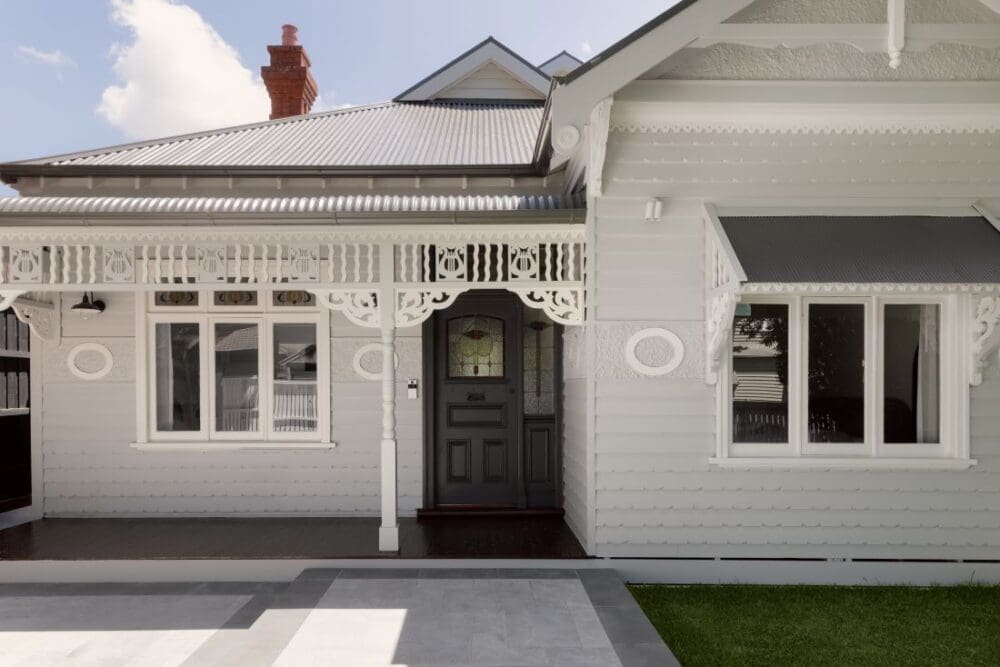
Rental security measures for landlords
Landlords are generally responsible for providing a property that meets applicable minimum security standards, although exactly what is required varies between Australian states and territories. Beyond these requirements, there are several ways property owners can make a rental feel safer and more secure.
Start with quality locks and secure entry points
Doors and windows are the obvious place to start. Check external doors close securely and that all locks, latches and deadbolts are in good working order. Windows should also have working locks, especially those on the lower ground or easily accessible from outside.
It’s not just your main entry points that should secure properly. Side gates, garages and sheds also benefit from secure locks, particularly if they provide access to the house or store belongings.
We love the idea of using at least one smart lock. They offer convenient keyless entry or temporary access codes, but they aren’t essential for a secure home. If you’re considering changing or upgrading locks on a rental property, check the tenancy rules that apply in your state or territory first.
Consider exterior security lighting
Good lighting is one of the easiest ways to improve security around a home. Motion-activated lights near entrances, driveways, side paths and other darker areas don’t just offer important functional lighting, they can also deter unwanted intruders.
Think about sightlines at the same time. Overgrown shrubs and poorly maintained gardens can obscure windows, pathways and entrances. Keeping landscaping maintained can improve visibility around the property with the added benefit of making the exterior look more cared for.
Be careful with security cameras
Security cameras can add another layer of home security, particularly around external entrances and driveways. Visible cameras may act as a deterrent and footage can also be useful if an incident occurs.
However, cameras at rental properties require considerably more thought than cameras at your own home. Privacy laws and tenancy requirements need to be considered, particularly when cameras could capture tenants, neighbouring properties or areas where occupants would reasonably expect privacy.
If cameras are installed, consider features such as weather resistance, night vision, secure data storage and control over who can access recordings. Landlords should also check the relevant privacy and tenancy requirements before installing or accessing surveillance equipment.
Understand what your landlord insurance covers
Landlord insurance doesn’t physically make a property more secure, but it can form an important part of protecting your investment financially.
Policies differ considerably, so look closely at what is and isn’t covered. Depending on the policy, this could include events such as theft, malicious damage, storm damage, loss of rent or liability. Don’t assume every landlord insurance policy provides the same protection.
It’s also worth understanding the distinction between landlord and renters insurance. Landlord insurance generally protects the property owner and their investment, whereas a renters insurance policy can protect a tenant’s own belongings and provide other cover depending on the policy.
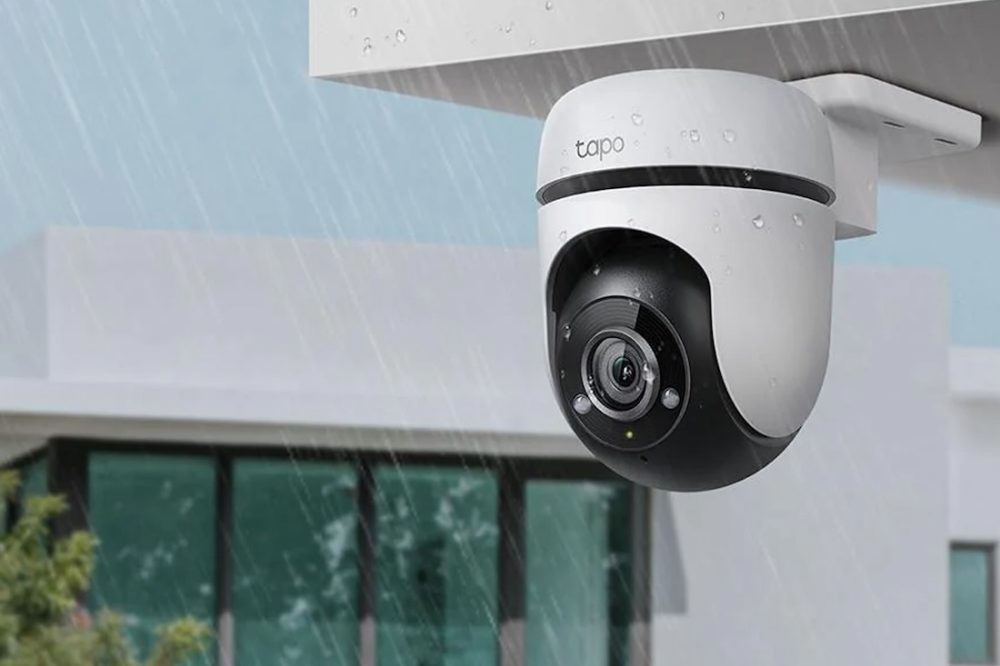
Rental security measures for tenants
Renters don’t necessarily need permanent modifications to make their home feel more secure. There are practical steps you can take when renting, but always check your tenancy agreement or applicable rental laws or seek permission before making changes.
Consider renter-friendly security devices
There is now a wide range of security technology that doesn’t require extensive installation. Depending on the property and relevant tenancy rules, renters might consider portable indoor cameras, door and window sensors, video doorbells or smart lighting.
Before attaching anything to doors, walls or other surfaces, check whether you need approval from the landlord or property manager.
If you’re using smart cameras or doorbells, also think about what they’re capturing. Devices positioned around apartments, shared entrances or neighbouring properties can create privacy issues, so placement matters.
Protect your home network and smart devices
Physical security is only part of protecting a modern home. If you’re using connected cameras, speakers, lighting or other smart-home products, basic cybersecurity is important too.
Start by securing your Wi-Fi network with a strong password, changing default passwords on connected devices and keeping software and firmware updated. Where available, enable multi-factor authentication for accounts controlling security cameras and other sensitive devices.
It’s also worth reviewing exactly which devices are connected to your network. Our guide to securing IoT devices around the home covers additional ways to reduce vulnerabilities.
Don’t overlook everyday security habits
Technology can help, but some of the simplest habits remain effective. Lock doors and accessible windows when leaving home, avoid leaving spare keys in an obvious place outside and be mindful about sharing access codes.
If you lose keys, remotes or access devices, contact the property manager or landlord rather than ignoring it until the end of your lease. Similarly, report issues like broken locks, damaged gates or faulty exterior lighting quickly so they can get fixed as soon as possible.
Tenants can also consider contents or renters insurance to protect their belongings. The building owner’s insurance generally doesn’t replace a tenant’s personal possessions if they’re stolen or damaged.
Creating layers of security
The most effective approach to rental security isn’t necessarily the most expensive. Instead of relying on a single camera, smart lock or alarm, think about security in layers.
Start with secure doors and windows. Improve visibility around entrances and pathways. Maintain landscaping so it doesn’t create unnecessary hiding places. Add appropriate security technology where it provides a genuine benefit, and protect connected devices with good cybersecurity practices.
For landlords, these measures can help create a well-maintained property that tenants feel comfortable calling home. For renters, understanding what security measures are already in place and what additional steps you’re allowed to take can offer greater peace of mind without making major changes to a property you don’t own.
Ultimately, good rental security comes down to getting the fundamentals right and ensuring landlords and tenants both understand the role they play in keeping the property secure.