

When doing a major reno or new build, we spend a lot of time agonising over the materials and finishes to build a home that will stand the test of time — design wise. But what about the future-readiness of your home in terms of technology, energy efficiency and other smart upgrades that can make your daily life easier? Small changes can seriously enhance the performance of your home, making it more comfortable while adding value to your property.
It’s no wonder smart home renovations are one of the most popular types of home improvement projects today. If you’re looking for ideas on how you can upgrade your home, we’re covering the top home improvements in this article. From installing Wi-Fi enabled aircons to smart security systems, we’re sure you’ll find at least one project to add to your ‘to do’ list!
Related article: Sustainable renovation tips for eco-friendly home makeovers
Related article: Expert advice on how to renovate a modern heritage home
Keen to curate your smart home upgrade strategy? Here’s where to get started
1. Start with the essentials
Before getting swept up in big plans, look at what actually needs improving. It could be insulation that keeps the place cooler in summer and warmer in winter, or simply replacing old windows that let a little too much of the outside breeze in. Sometimes ‘smart’ starts simple — with double glazing, water-efficient taps or ceiling fans that reduce your air conditioning load. Good upgrades don’t always have to be flashy. They just make your home work better day to day.
And if you’ve recently made improvements, it’s also worth taking a moment to upgrade your home and contents insurance. Renovations, new fixtures or fittings, or energy systems can increase the overall value of your home and your insurer should be made aware to ensure you’re appropriately covered. It’s one of those easy-to-forget steps that protects all the effort (and money) you’ve put into improving your home.
2. Focus on energy efficiency
In the age of sustainable living, investing in energy efficiency is one of the smartest choices you can make. Solar panels and batteries are getting more affordable every year, while even small decisions like LED lighting or energy-efficient appliances can mean huge savings on your bills. You could also consider upgrading to double-glazed windows or adding external shading to block summer heat.
Design expert Shannon Battisson shares her top tips in this article on how you can take advantage of solar passive design gains to improve the energy efficiency of your home.
If you are renovating, plan your layout to maximise natural light and air flow. A well-lit and ventilated home will help you stay comfortable all year round without guzzling power. It’s also worth looking into your local council or state websites — many will give rebates or funding for energy-efficient upgrades which can help offset costs.
3. Modernise your materials
It may not be the most glamorous thing on the list, but durability is one of the smartest upgrades you can make. When you choose materials that stand the test of time, you’re saving time, money and heartache down the road. Consider how your home is used daily: pets running across the floor, children dropping things on the counters, or general cooking and cleaning related wear and tear. Opt for sturdy, easy-care materials to make life easier and keep your home looking fresh.
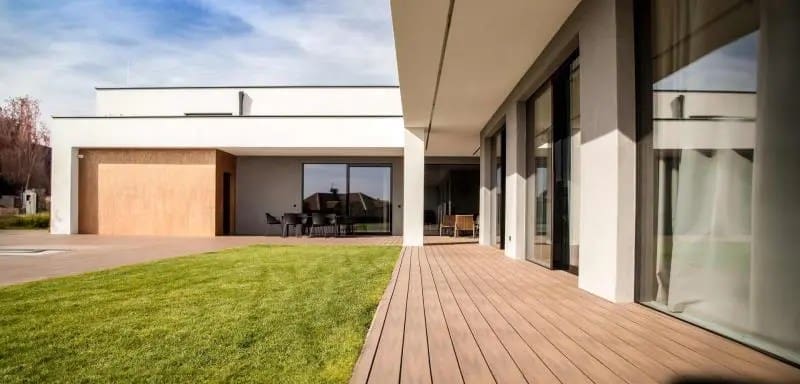
Composite decking, hybrid flooring, and stone-look benchtops are incredibly popular, and for good reason. They offer a luxurious feel without the expensive upkeep and they’re also adaptable to real life (hello kids/dogs) and our very Aussie weather. Outdoor spaces benefit from this too — modern composites and weather-resistant finishes result in less sanding, sealing and repainting every summer.
If you’re remodeling your kitchen or bath, consider design choices that endure. Neutral colours, clean lines, and quality fittings never really date, and they make it easier to switch up decor later without another full reno. Also, as tempting as it may be, resist fads that seem exciting now but might feel out of date in a few years. In the long run, you can’t beat good materials. They’re the subtle improvements that don’t scream for attention, but they make your home functional, beautiful and low-maintenance over the long haul.
4. Improve safety and security
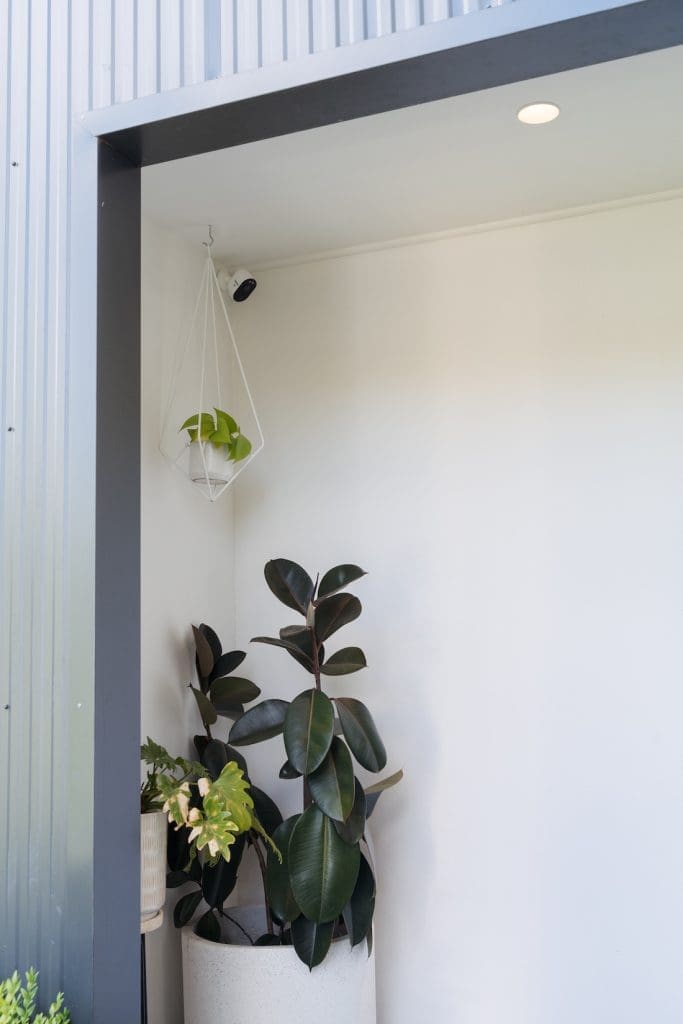
Safety doesn’t have to mean turning your home into a fortress. Rather, it’s about making it a space that feels comfortable and protected. Start with the basics: working smoke alarms, good exterior lighting, secure locks and clear paths to avoid slips or falls. All of these little touches give peace of mind, particularly for families with children or elderly family members.
Outdoor motion sensor lights can make late-night arrivals easier, while security doors or reinforced screens can boost safety without making the house feel closed in. If you want to up the ante, installing CCTV cameras outside or a home alarm system will give you a sense of peace and security, even when you’re not home. Even small measures, like non-slip tiles in the bathroom or handrails for outdoor stairs can make a huge difference in your family’s health and safety.
At the end of the day, family-friendly home safety doesn’t have to cost a lot. It just has to be practical and functional. They’re the sort of investments that make your home feel like a sanctuary, regardless of whatever life throws at you.
5. Think about future flexibility
Smart upgrades aren’t just about what looks good now. They’re about planning for how you’ll live later. Homes that can adapt are easier to enjoy and keep up with life’s changes. Maybe it’s your guest room doing double duty as a home office during the week, or your patio serving as the weekend barbecue party hub. Homes that can be adapted over time to keep pace with your lifestyle will save you both time and money.
It’s also worth thinking about comfort for everyone who lives there. Wider doorways, walk-in showers and level flooring make day-to-day living easier without changing how your home feels. Low-maintenance gardens or simple watering systems can keep the yard looking good without hours of work.
There’s no need to plan everything decades ahead. Just make choices that give you options. A flexible home keeps working for you through every stage of life.
Smart upgrades — from energy-saving tech to low-maintenance materials — can make your home easier to live in and cheaper to run. Start with the improvements that matter most to your household, and build from there. Over time, these small changes create a home that’s comfortable, efficient, and truly future-ready… one that grows with you and makes everyday living that little bit smoother.