
When planning a renovation, it’s easy to focus on the finishes you’ll see every day, like tiles, tapware and paint colours. But some of the most valuable upgrades happen behind the walls. Electrical improvements can enhance safety, functionality and make everyday living more effortless.
Most electrical upgrades in Australia must be completed by a licensed professional, both for safety and to meet compliance standards. Working with a qualified electrician early in the planning process can help you identify which improvements are worth prioritising, as well as those that may not be immediately obvious. Whether you’re engaging an electrician in Melbourne, Brisbane, Sydney or anywhere else in Australia, expert advice can help you future-proof your home and avoid costly changes later.
If budget is limited, an electrician may also suggest ways to allow for future upgrades, such as running wiring to areas where you plan to install additional lighting, power points or smart home technology down the track. This early assessment can help you prioritise spending and develop a renovation plant that aligns with both your goals and budget.
Related article: 11 tips for successful kitchen planning
Related article: Everything you need to know about lighting your bathroom
1. Switchboards
Older homes in Australia frequently still run on ceramic fuse boards or switchboards that predate the widespread use of air conditioning, home offices, and high-draw kitchen appliances. These boards were designed for a fraction of the electrical load that a modern household places on them every day.
A new switchboard fitted with residual current devices and circuit breakers provides the capacity to support additional circuits while significantly reducing the risk of electrical fire and shock. It also becomes a prerequisite for most other upgrades on this list. Adding new lighting circuits, powerpoints, or outdoor electrical features, for instance, to an already strained switchboard will only create more problems.
2. Lighting
Replacing halogen downlights with LED is one of the more straightforward electrical upgrades, and the cumulative effect on energy costs and heat output is considerable. Halogen fittings push a significant amount of warmth into ceiling cavities, which increases cooling loads in the summer and can pose a fire risk if insulation is in direct contact with the fittings.
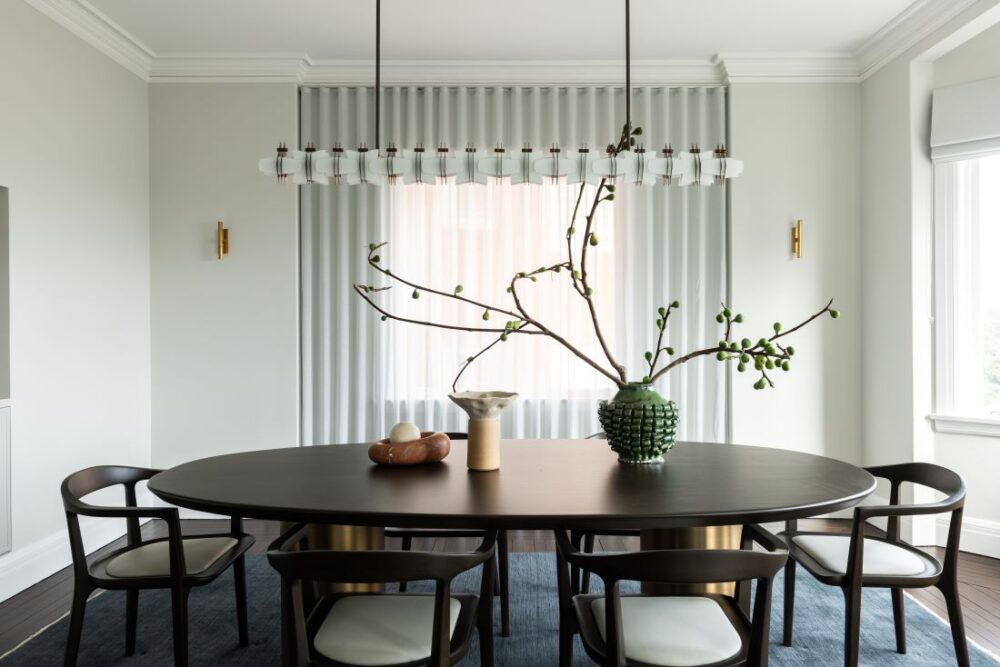
With dimmable circuits, you can change how a room feels at different times of the day. In open-plan living areas, zoned lighting will allow you to separate the kitchen bench from the dining space or the lounge area without physical dividers. Lighting is one of the most powerful tools in interior design. Layering task, ambient and feature lighting can completely transform the mood and functionality of a space without altering its footprint.
Pendant lighting over kitchen islands and dining tables, wall sconces in hallways, and recessed LED strip lighting under cabinetry are all options that a licensed electrician can wire into dedicated circuits. Each of these choices contributes to a more intentional modern interior without requiring structural work.
3. Powerpoints
Homes built more than 20 years ago were typically fitted with one or two powerpoints per room. That was sufficient because households didn’t require multiple screens, kitchen appliances, charging stations, and home office setups running simultaneously.
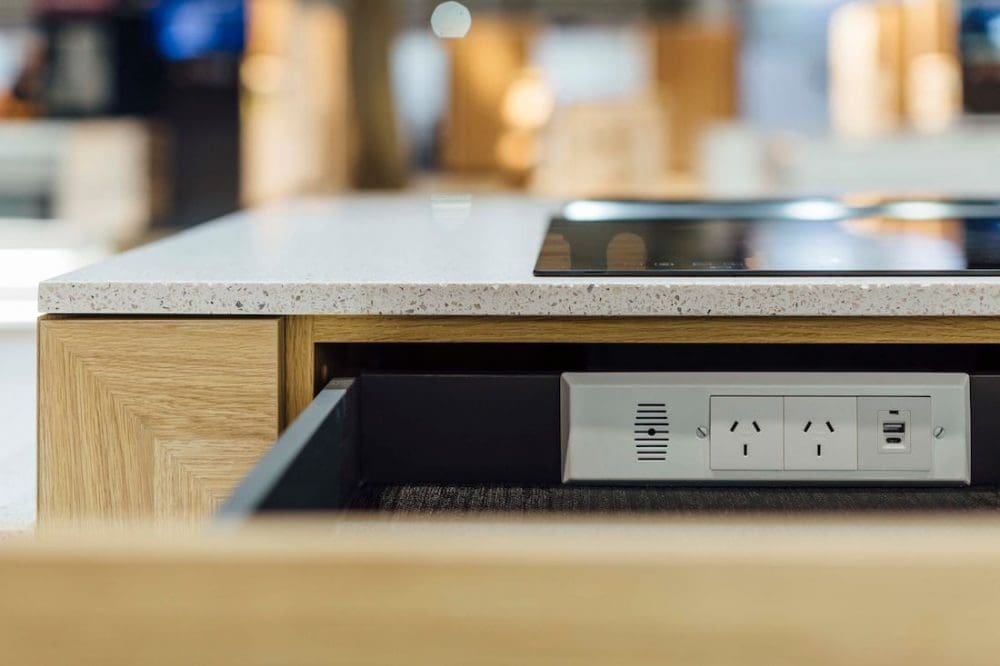
When you only have a limited number of outlets, you’ll likely be forced into a tangle of powerboards and extension leads. This is both a visual and safety issue. Additional powerpoints in kitchens, living rooms, bedrooms, and study areas eliminate this problem entirely.
In a kitchen, for example, outlets along the splashback at bench height will let you use and store appliances without any trailing cords. In a home office, power and data points at desk level keep the workspace clean and functional.
Consider adding USB or USB-C charging outlets in bedrooms, the kitchen and home office to reduce clutter and future-proof your home.
Installing additional powerpoints is one of the most cost-effective electrical upgrades you can make, improving both convenience and liveability throughout the home.
4. Smart home wiring
Automated lighting, smart switches, and app-controlled climate systems have become mainstream in Australian households. You can now incorporate smart technologies into your home without a huge upfront investment adding features in stages as budget allows.
Motion-sensor lighting in hallways, smart dimmers in living rooms, and automated exterior lights on timers are practical starting points. Running the cabling and fitting compatible switches and outlets creates a foundation that you can expand as your needs change or budget allows. For example, this may include upgrading to an integrated system that links lighting, security, climate, and audio through a central hub.
5. Outdoor fixtures
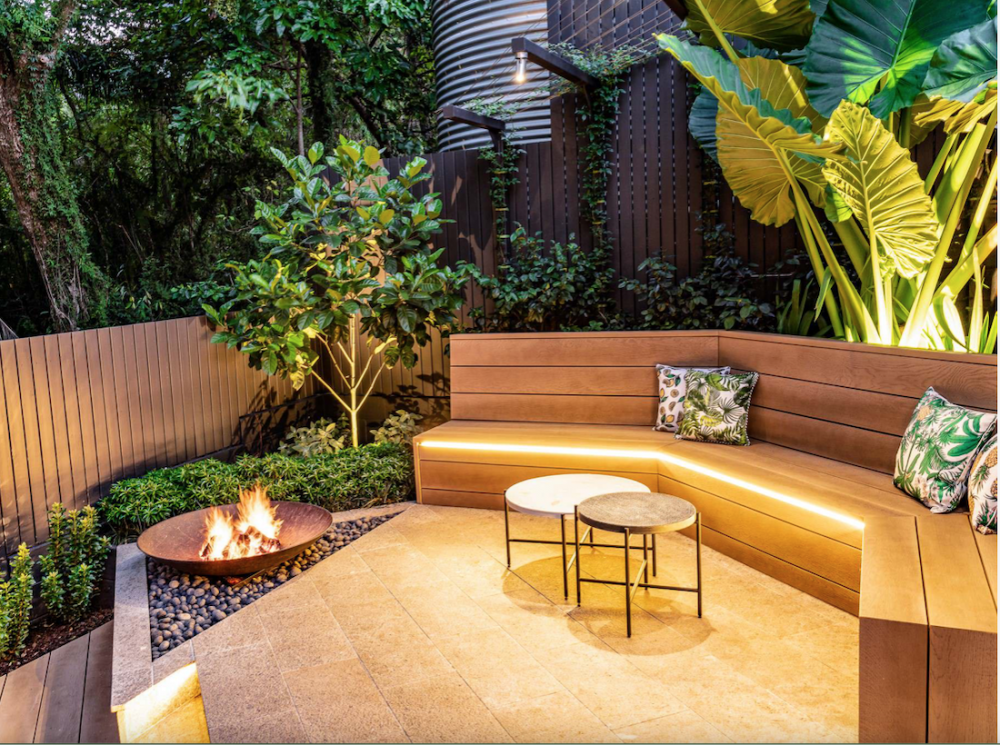
Features such as path lighting, garden uplighting, and fixtures around areas for entertainment can improve both the functionality and aesthetic appeal of your backyard after dark.
With weatherproof powerpoints in alfresco areas, sheds, and carports, you can cook outdoors and use power tools without having to run extension leads through doorways. If you have a pool or spa, compliant electrical connections are a safety requirement. Collectively, outdoor electrical upgrades frame the exterior of your property as an extension of the living space.
We hope these tips on smart electrical upgrades help with your next reno. Remember, the best results come from incorporating electrical work into the renovation plan from the outset, giving it the same consideration as layout, materials, and finishes.