
Ever looked at a beautifully landscaped garden and wondered why it looks so much more manicured than your own? Chances are it’s not just the grass making the difference. Often it’s the thoughtful combination of garden beds, defined edges, natural materials and pathways that makes the whole space feel considered.
Today we’re sharing 6 easy ways to elevate your landscaping and some won’t cost you a cent! From planning ideas to clever DIY projects, keep on scrolling for our fave ways to transform even an ordinary backyard into a more designer-look space.
Related article: 10 common landscaping mistakes and how to avoid them
Related article: How to lay new turf yourself: A step-by-step DIY guide
1. Start with a plan
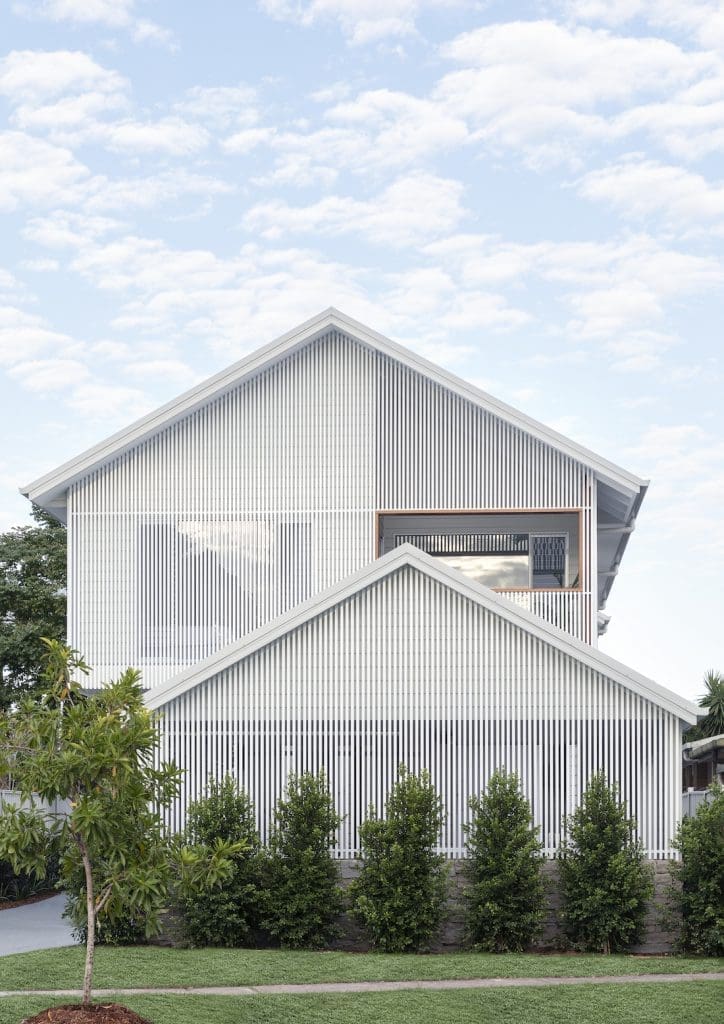
All great design — including landscape design — starts with a plan. One of the most common landscaping mistakes you can make is taking a hodge-podge approach to planting, paths and purpose-built zones.
So before getting carried away choosing plants or ordering turf, take a moment to think about how you want to use your backyard. Do you need a large open lawn for kids and pets? Would you love an outdoor entertaining area? Or perhaps you’re dreaming of a low-maintenance garden with plenty of greenery but less grass to mow? Understanding how you want your outdoor space to function will help guide your landscaping decisions.
Start by sketching a simple layout showing where you’d like your lawn, garden beds, pathways and seating areas. Don’t worry if you’re not a good drawer, even a simple bubble map design will get the job done. Once you’re happy with the positioning of zones, apply your measurements to make sure it all fits.
Pay attention to practical considerations too, such as sunlight, drainage, existing trees and how people move through the space.
Our tip: If you’re planning to lay new turf, work out your garden bed shapes and pathways first. It’s much easier to lay turf around defined areas than to cut into a freshly established lawn later! And if you’re unsure how much turf to order, a local turf supplier can help you calculate the area and choose a grass variety suited to your conditions.
2. Use garden edging for a polished finish
Never underestimate the power of a crisp garden edge! It’s one of those small landscaping details that can make a surprisingly big difference to the overall look of your backyard.
If you’re working to a tight budget, you can create a sharp edge using spray paint and a spade. All you need to do is mark out the shape and then cut the excess lawn away using your spade. However, if budget allows, using a defined edge can help prevent grass from spreading into planted areas.
Garden edging materials you may want to use:
- Steel or aluminium edging: Perfect for contemporary gardens, particularly if you love clean lines and a minimalist aesthetic. These slim profiles can create a subtle separation between lawn and garden beds, and can be easily shaped to suit your design.
- Timber edging: A natural choice for relaxed, coastal or cottage-style gardens. Treated timber sleepers can also work well for raised garden beds or changes in level when properly installed.
- Brick edging: A timeless option that adds warmth and character, especially in traditional or modern heritage gardens.
- Natural stone: Ideal if you’re after a more organic look. Stone edging pairs beautifully with native planting, gravel paths and earthy landscaping palettes.
- Concrete mowing strips: A practical option that creates a defined border and can make mowing easier when installed flush with the surrounding lawn.
From a design perspective, we’d suggest choosing an edging material that complements other finishes in your outdoor space. For example, if you’ve used natural stone around your entertaining area, repeating a similar material along your garden beds can help tie everything together.
Our tip: Install your edging before laying new turf where possible. This makes it easier to achieve clean, consistent lines from the beginning.
3. Create garden beds that complement your lawn
A large expanse of lawn can be beautiful, but without other landscaping elements it can also feel a little flat.
Introducing garden beds is one of the easiest ways to add depth, texture and visual interest to your backyard. And garden beds don’t need to be angular! Consider some free flowing garden beds along a fence line or a cluster of planting around a seating area.
A few gardening tips we love:
- Layer your planting: Use taller shrubs or screening plants towards the back, medium-height plants through the middle and lower-growing varieties along the edges. This creates a fuller, more dynamic look.
- Repeat plant varieties: Rather than choosing lots of different plants, repeat a smaller selection throughout your garden. This creates a more cohesive look and can make maintenance easier.
- Play with texture: Combine plants with different leaf shapes, sizes and colours. Ornamental grasses, architectural plants and soft groundcovers can look beautiful together.
- Consider your garden style: Native plants and grasses suit relaxed Australian gardens, while clipped hedges and structured planting can create a more formal look.
- Think about mature size: Check how large your plants will grow and allow enough room for them to thrive without overcrowding your lawn or pathways.
One of our favourite landscaping tricks is to use repetition. Just as repeating colours and materials creates harmony inside your home, repeating plant varieties can help your garden feel more intentional.
And don’t forget to choose plants suited to your local climate, soil and sunlight conditions. A beautiful garden should be relatively easy to maintain, not another full-time job!
4. Refresh your garden beds with mulch
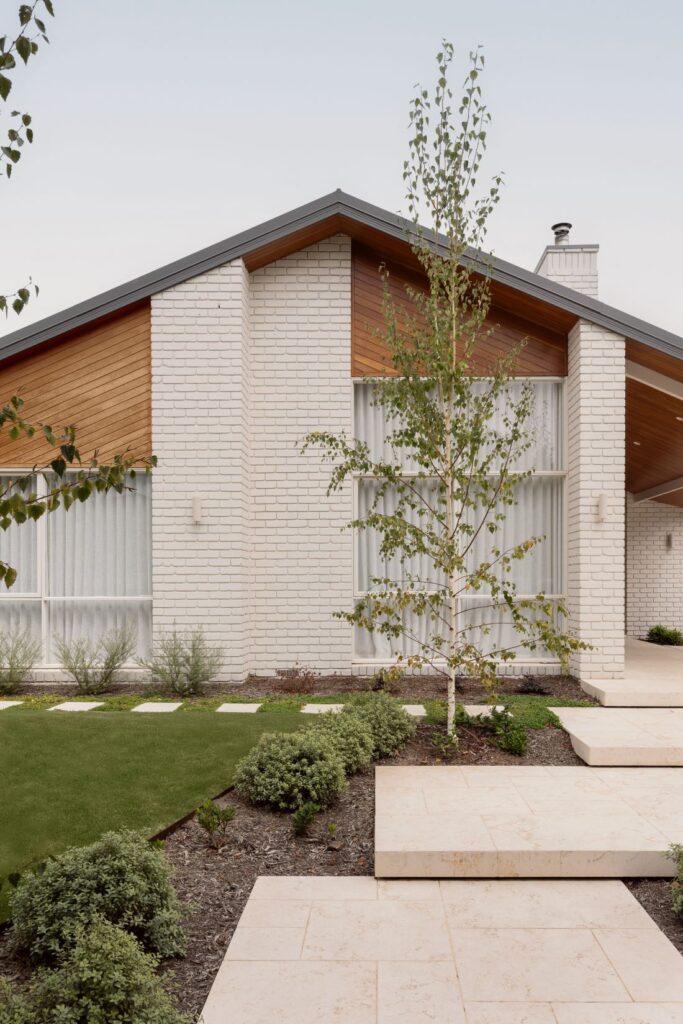
If you’re looking for a quick, affordable way to refresh your garden, fresh mulch is hard to beat. It’s one of those simple updates that can make even an established garden feel newly landscaped. Beyond the visual benefits, mulch can help retain soil moisture, regulate soil temperature and suppress weeds.
Best types of mulch to consider:
- Dark organic mulch creates a striking contrast against lush green lawns and can give garden beds a contemporary look.
- Natural wood chips bring warmth and texture, making them a lovely choice for relaxed, coastal and native gardens.
- Fine bark mulch offers a softer, more uniform appearance that works well in structured garden beds.
Our advice? Choose one main mulch type and repeat it throughout your garden for a consistent finish.
Before applying mulch, remove weeds and check whether your soil would benefit from compost or another suitable soil amendment. Spread organic mulch around 50–75mm, and keep it clear of plant stems and tree trunks to avoid trapping excess moisture against them.
5. Add pathways and stepping stones
There’s something so charming about a garden path, especially when it winds through greenery or leads to a cosy outdoor seating area.
But pathways aren’t just about looks. They’re also incredibly practical. If you regularly walk across your lawn to reach the clothesline, shed or side gate, installing a path can help prevent worn patches and muddy tracks.
Stepping stones are a particularly popular option because they’re relatively easy to incorporate into an existing lawn and suit a wide range of garden styles.
Some of our path materials include:
- Large-format concrete pavers set into grass for a clean, contemporary look. You can also find plenty of tutorials online to DIY your own organic-shaped concrete pavers using plastic garden edging.
- Natural stone steppers surrounded by groundcovers for a softer, more organic garden.
- Rectangular pavers with gravel joints for a modern, architectural finish.
- Recycled brick pathways for a charming, character-filled garden.
When choosing your pavers, consider how they complement your home’s exterior materials.
For example, warm limestone or travertine-look pavers can look beautiful in a modern Mediterranean garden, while concrete and bluestone suit more contemporary landscapes.
Our tip: If you’re installing stepping stones within a lawn, aim for a finished surface that’s level with the surrounding grass to make mowing easier and reduce trip hazards. Make sure each stone sits securely on a properly prepared base, with spacing that’s comfortable to walk across.

6. Plan your watering and irrigation early
It’s easy to get caught up in the aesthetic side of landscaping, but keeping your garden healthy is just as important as making it look beautiful.
And if you’re investing in new turf and plants, it’s worth thinking about irrigation before everything goes into the ground. Installing irrigation while your backyard is still being prepared can save a lot of disruption later, especially if you’re planning underground pipes or pop-up sprinklers.
Depending on your garden layout, you might consider:
- Pop-up sprinklers: Useful for watering lawn areas evenly when designed and positioned correctly.
- Drip irrigation: A water-efficient option for garden beds, delivering moisture directly to the root zone.
- Tap timers: An affordable way to automate watering without installing a fully integrated irrigation system.
- Rain sensors or smart controllers: These can help adjust watering schedules according to weather conditions and reduce unnecessary water use.
Keep in mind that lawns and garden beds often have different watering requirements, so separate irrigation zones can make maintenance easier.
And if you’re installing new turf, remember that it will need more frequent watering while the roots establish.
Always check local water restrictions and consider using water-efficient irrigation products where possible.
Beautiful landscaping is all about the details
Creating a beautiful backyard isn’t necessarily about having the biggest budget or the most elaborate garden design. Often, it’s the smaller details that make the biggest difference.
A crisp garden edge, thoughtfully layered planting, fresh mulch and a well-positioned pathway can completely change how an outdoor space looks and feels. And when these elements work together, even a relatively simple lawn can become the centrepiece of a beautifully landscaped backyard.
If you’re planning a lawn makeover in Sydney, family-owned Sydney Lawn & Turf Supplies offers fresh turf, delivery and installation services, along with advice on choosing a grass variety suited to your outdoor space.
Our biggest piece of advice? Plan your backyard as a whole rather than tackling each element in isolation. You’ll create a more cohesive result, avoid unnecessary rework and end up with an outdoor space that’s as practical as it is beautiful.
Feeling inspired to tackle more outdoor projects? Explore our other gardening, landscaping and backyard DIY articles for practical tips, clever ideas and plenty of inspiration to help you create an outdoor space you love.