
Talking from experience, moving house can feel both exciting and overwhelming! Whether you’re relocating across the city, moving interstate, or upgrading to suit a new stage of life, moving house marks the beginning of a new chapter. Beyond the logistics of packing, transport and timelines, there’s also the emotional and creative task of turning a new property into a home that feels comfortable, functional and reflects your personal style.
One of the biggest opportunities moving presents is reassessing how we live, what we value in our spaces, and how we want our homes to support everyday life. Alongside decisions about layout, storage and style, one of the biggest decisions you’ll make for a smooth move is the moving company you choose. This guide covers all our top tips on how to approach a move thoughtfully, with a strong focus on organisation, interior styling, practical decision-making and the careful coordination of moving services, so that once the boxes are unpacked, your home feels intentional rather than chaotic!
Related article: Minimising stress when selling your home
Related article: Australian backyards reimagined: How garden studios add style, space and value
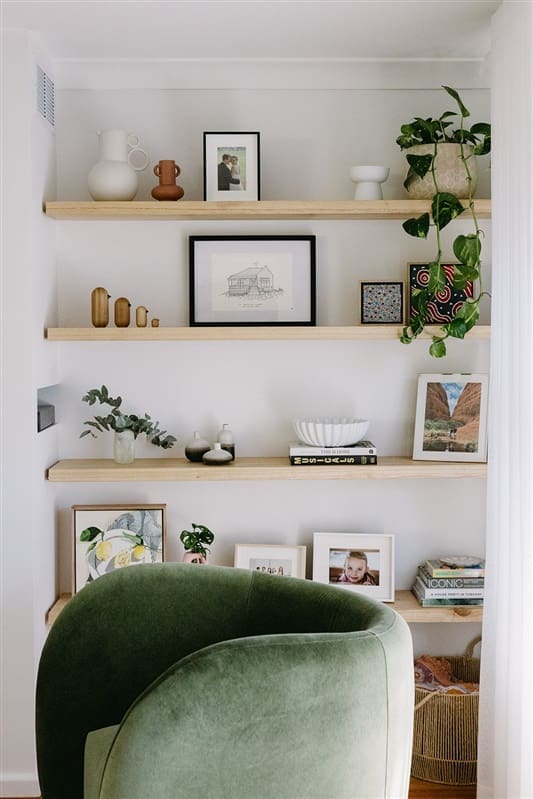
Look at moving as a reset, not just a task
It is easy to think of moving house as a purely practical exercise. Pack everything into boxes, move it to the new address, unpack. But moving is also a rare chance to reset how your home works for you.
Many people bring everything from their previous home into the new one without questioning whether it still fits their lifestyle or the space itself. Not only can this make moving a much bigger task than it needs to be, once you’re in your new home (which may be smaller or have a different room configuration) things can feel cluttered, awkward or mismatched. Taking a more intentional approach allows you to create interiors that feel cohesive from the outset.
Before packing even begins, it helps to reflect on a few key questions:
- How do you want your new home to feel day to day?
- Which rooms will be used the most, and for what purpose?
- What frustrations did you experience in your previous home that you want to avoid repeating?
These considerations help shape decisions about what to keep, what to let go of, and how to set up each space once you arrive.
Decluttering with intention before you pack
Decluttering is one of the most valuable steps you can take before a move. Not only does it reduce the volume of items to transport, but it also simplifies unpacking and styling later on.
Rather than decluttering room by room in a rush, take a more thoughtful approach. Consider how each item contributes to your daily life or the aesthetic you want to create. Furniture that worked in one layout may not suit another. Decorative pieces that once felt meaningful may no longer align with your taste.
A useful method is to sort belongings into clear categories: keep, donate, sell or discard. Be honest about items that are being kept purely out of habit. Australian homes often benefit from a lighter, more open feel, particularly when working with natural light and neutral palettes.
You would have heard us talk a lot about how decluttering can improve both the look and functionality of a home. Reducing visual noise allows furniture, finishes and architectural details to stand out rather than compete for attention.
Packing strategically for a smoother setup
Packing is often treated as a race against time, but how you pack has a direct impact on how smoothly your new home comes together.
Labelling boxes clearly by room is essential, but adding brief notes such as ‘kitchen essentials’ or ‘living room décor’ can make a significant difference on unpacking day. This allows you to prioritise boxes without opening everything at once.
For décor and styling items, keep similar pieces together. Cushions, throws, artwork and decorative objects are easier to style when unpacked as a group rather than scattered across multiple boxes. This also reduces the temptation to place items randomly just to clear boxes.
If you are engaging professional movers, ensure there is clear communication around fragile items, furniture disassembly and placement within the new home. Consumer resources such as NSW Fair Trading provide useful guidance on understanding moving contracts and avoiding disputes, which can help you navigate the process with confidence.
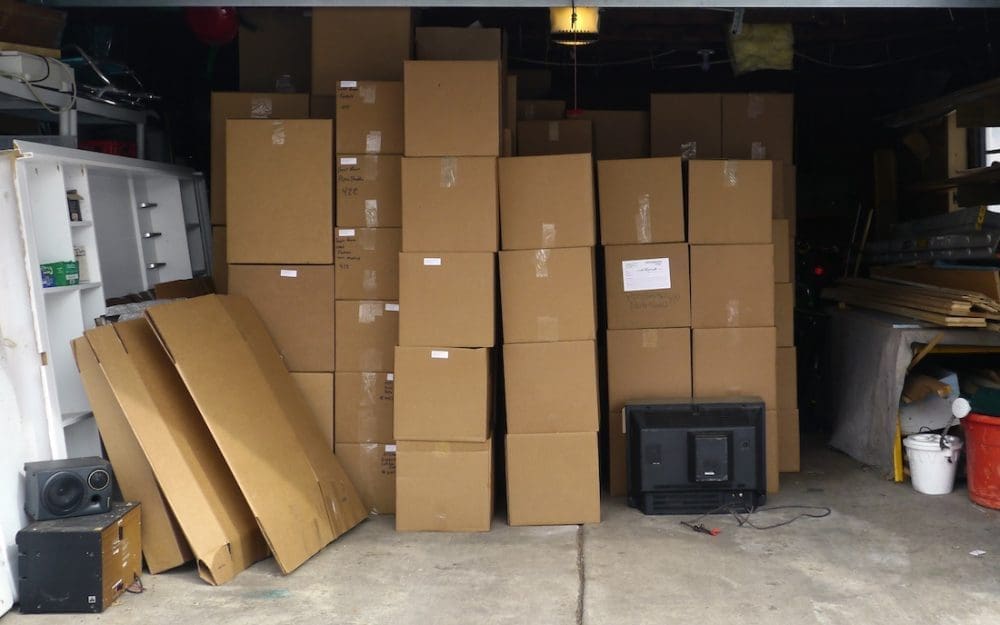
Understanding the layout before styling begins
Once you arrive at your new home, it can be tempting to immediately unpack and decorate. However, taking time to understand the layout before committing to furniture placement can save frustration later.
Spend the first day or two observing how light moves through the rooms, where natural focal points exist, and how you naturally move through the space. In Australia where homes are often open-plan, it’s especially important to create defined zones that still feel cohesive.
Before unpacking smaller items, position larger furniture first. Sofas, dining tables and beds establish the framework for each room. Once these pieces are in place, it becomes easier to decide where rugs, lighting and storage will work best.
This approach will also make it easier to see what items you may no longer need… or just aren’t right for your new space! A dining table that once fit comfortably may now overwhelm the room, or a sofa may block natural pathways.
Prioritising key rooms for daily comfort
It’s impossible to perfectly set up a new home within a week or two, and putting that pressure on yourself will only add more stress. Instead, focus on spaces that support everyday routines helps create a sense of normality during the transition period.
The bedroom
The bedroom should be one of the first rooms to focus on. A properly made bed, styled bedside tables and soft lighting instantly make a new house feel like home. Neutral bedding layered with texture through cushions or throws works well as a base, allowing you to introduce colour or pattern later.
Keeping the bedroom uncluttered in the early days promotes better rest, which is especially important during the stress of moving.
The living area
The living room often acts as the heart of the home. Begin by defining the seating arrangement in relation to windows, doors and focal points such as a fireplace or built-in bookshelf. A well-sized rug can anchor the space and help zone open-plan layouts.
Avoid over-decorating initially. Living in the space for a short time will reveal how it is actually used, whether for entertaining, relaxing or working from home. Allowing breathing room or free space gives you the flexibility to move things about and remain flexible while you work out how to best use the space.
The kitchen
Functionality is key in the kitchen. Focus on unpacking everyday items first and resist filling every cupboard immediately. This allows you to assess storage needs and make adjustments where necessary.
A clear benchtop not only looks visually calm but also makes the kitchen more enjoyable to use from day one.
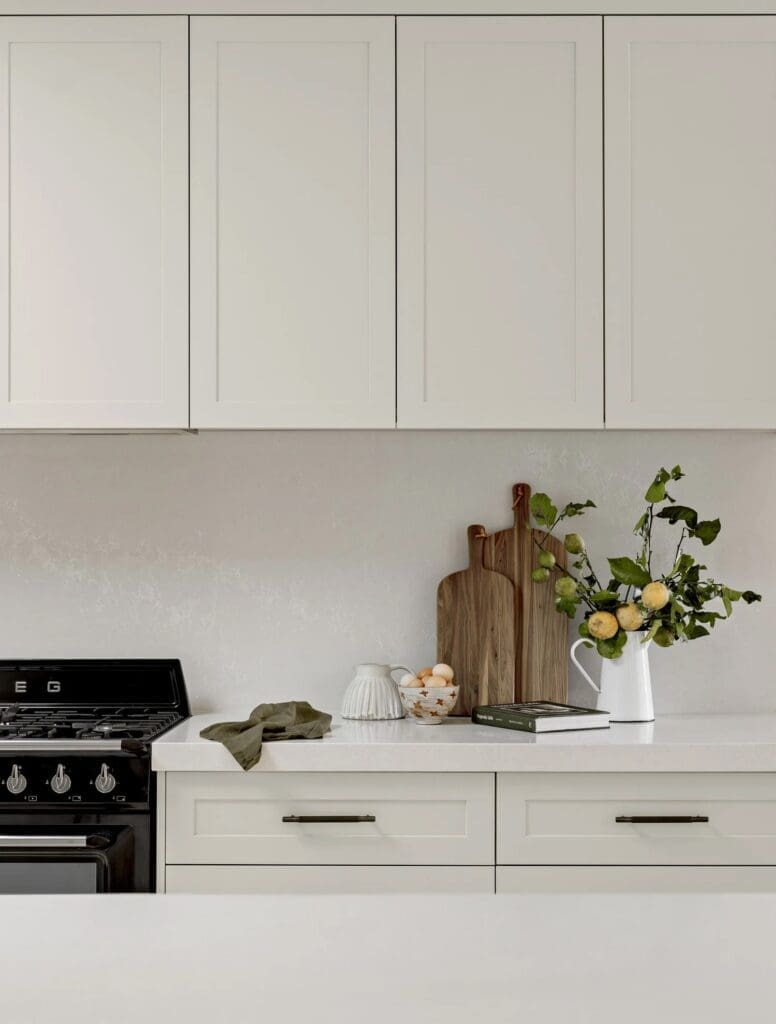
Creating a cohesive colour story
Moving house is an ideal time to reassess your colour palette. Rather than treating each room separately, consider how colours flow from one space to the next, particularly in open-plan homes.
In Australia, colours inspired by nature are always popular. Whether that’s soft whites and warm neutrals (think cotton farms) or deep ochre and brown tones (from our earth) or shades of green (from eucalyptus or palm trees). Natural colours generally stand the test of time and have a grounding, rejuvenating effect when used well.
If you’re shy with colour, consider using accent colours through artwork, cushions or decorative objects. These elements are easier to update than fixed finishes and can evolve with changing tastes or trends.
Organising before decorating
We know it’s tempting to skip to the fun part of styling but you’ll thank yourself later if you get your organisation systems bedded down first. A beautifully decorated room quickly loses its appeal if clutter builds up because of a lack of practical storage!
Before adding decorative layers, consider:
- baskets or containers for frequently used items
- shelving to reduce surface clutter
- hooks or cabinetry to keep items off the floor.
Storage solutions aren’t just for behind cupboard doors. Thoughtfully chosen storage can enhance the overall aesthetic while supporting everyday living. In living areas, this might mean using cabinetry with clean lines. In bedrooms, it could involve integrated wardrobes or under-bed storage.
Styling room by room with intention
Once you’ve got your functional foundations in place, styling can begin. Rather than approaching this as a checklist, think of styling as a process that unfolds over time.
In living spaces, start with larger decorative elements such as artwork or mirrors. These pieces help establish character and scale. Follow with softer elements like cushions, throws and plants to add warmth and texture.
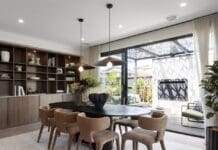
Dining areas benefit from simplicity. A well-proportioned table, comfortable seating and considered lighting often require minimal additional decoration. A single centrepiece or artwork can be enough to complete the space.
Bathrooms and laundries are often overlooked, but small styling touches such as cohesive towels, containers and greenery can significantly elevate these rooms.
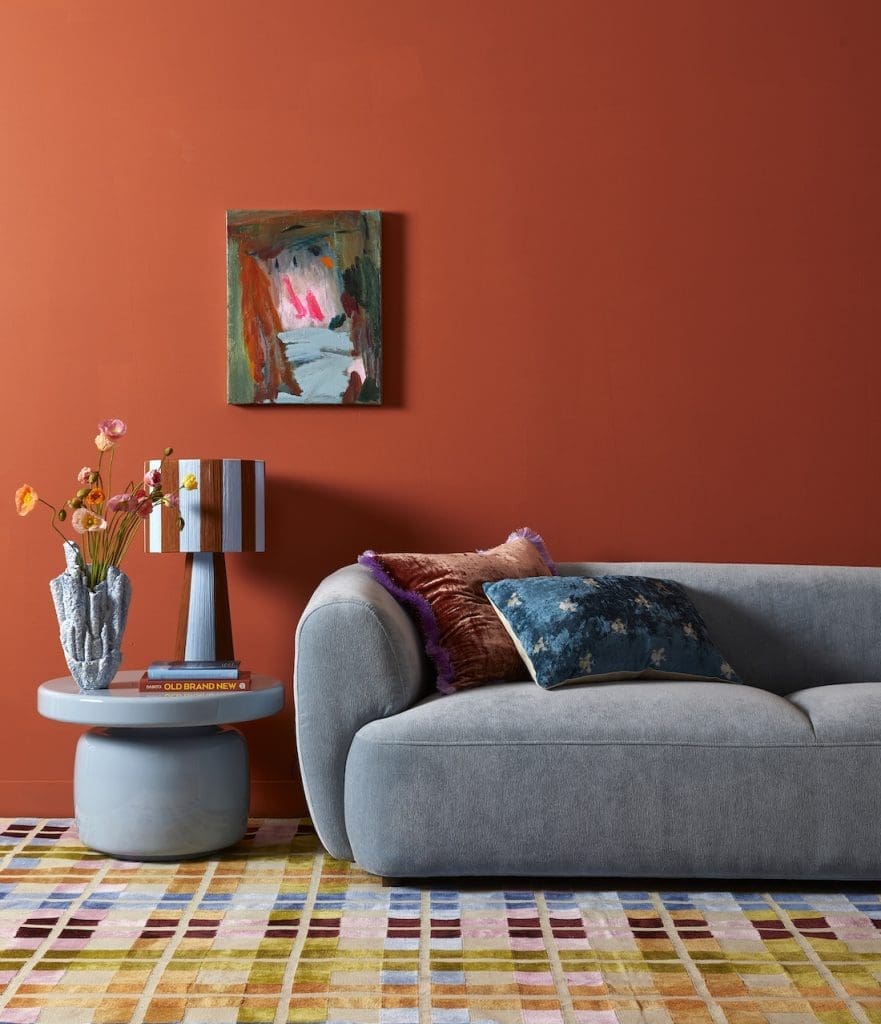
Allowing the home to evolve naturally
One of the most common mistakes homeowners make after moving is rushing to complete every room at once. While it is understandable to want everything finished quickly, allowing your home to evolve naturally often leads to more thoughtful and personal results.
Living in the space highlights what is missing and what is unnecessary. It also prevents impulse purchases that may not suit the home long term. Many well-styled homes develop their character over months or even years.
This slower approach aligns with a more sustainable mindset, encouraging quality over quantity and reducing waste.
Personalising your space
A home truly becomes yours when personal elements are introduced. Family photographs, meaningful artwork, books and collected objects tell a story that cannot be replicated through trends alone.
When styling with personal items, aim for balance. Group similar pieces together rather than scattering them throughout the room. This creates visual cohesion and prevents the space from feeling cluttered.
Rotating personal items seasonally or over time can keep interiors feeling fresh without constant purchasing.
Making the transition less stressful
Moving house is rarely without challenges, but preparation and realistic expectations can reduce stress. Accept that not everything will be perfect immediately. Focus on progress rather than completion.
Creating a simple routine early on helps establish a sense of normality. This might include shared meals at the dining table, evening relaxation in the living room or a consistent bedtime routine in the new bedroom. Over time, these everyday moments are what transform a house into a home.
We hope this comprehensive guide on how to set up and style your new home helps make your move less stressful. Do you have other tips on how you can declutter, make the logistics of moving simpler or make your new home feel more personal.