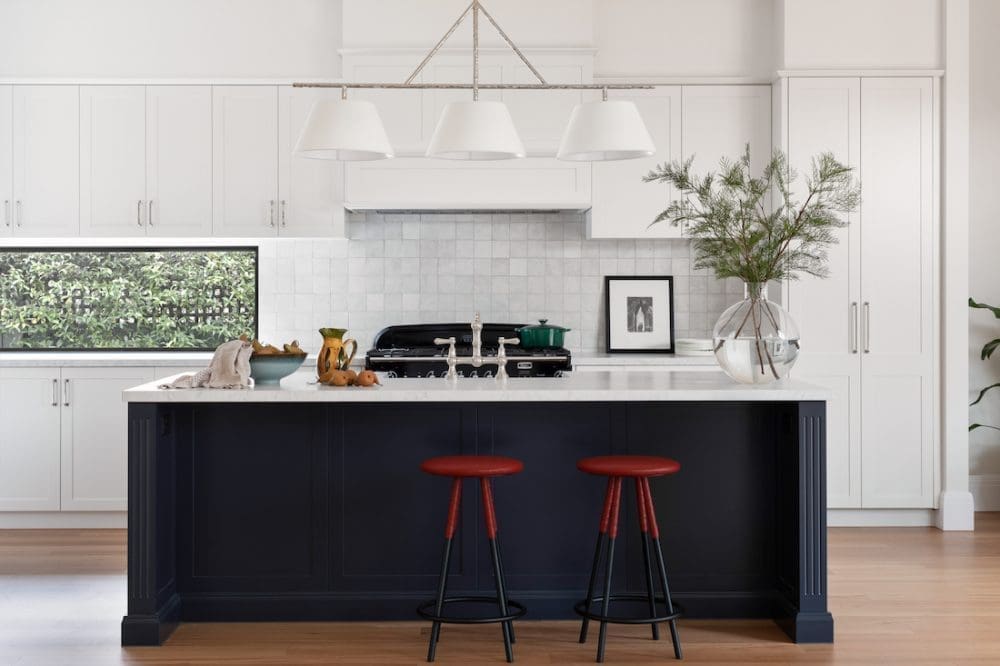
Renovating a period home is a delicate balancing act between honouring the character of a home and uplifting it for modern living. Over the years, we’ve featured countless home tours of period homes that have been sympathetically renovated and today we’re delving into the design considerations that happen behind the scenes.
From whether to keep heritage sash windows and decorative mouldings, to choosing colour palettes and introducing contemporary furniture, there are plenty of decisions that can either celebrate a home’s original character or compete with it.
The good news is renovating a period home doesn’t have to be a total preservation exercise. In fact, many of the most beautiful homes we’ve featured confidently mix old and new. The trick is knowing which features to honour and where to introduce contemporary elements. Keep reading for our tips on updating a period home without erasing its character.
Related article: Modern Victorian home: Step inside Elsternwick House
Related article: Interior designer tips: How to add colour to a Victorian style home
Let the architecture set the direction
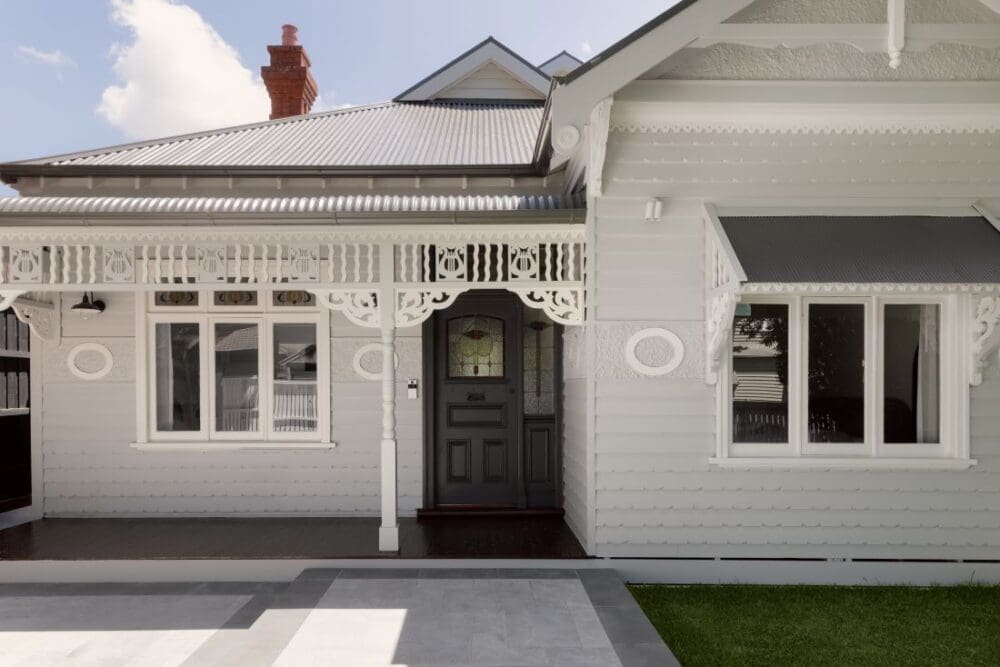
Our top tip when renovating a period home is to take a cue from the building itself. Georgian, Victorian, Edwardian, Art Deco and other period homes all have their own defining characteristics, and understanding the style of your property is a great starting point for any renovation.
If you haven’t studied interior design, you probably won’t know all the nuances between architectural styles, but thankfully, you can easily find this information. And we may be biased but it’s also incredibly interesting to learn more about the era of your home and features that defined properties of the time.
Key eras of Australian architecture
Australia’s architectural history is relatively young compared with Europe, but we’ve still moved through many distinct architectural eras. Broadly speaking, Australia’s architecture is defined by 6 key periods, although there are various styles within each period and plenty of overlap between them.
Australia’s key architectural historical periods:
- Colonial Period: 1788 – 1840
- Victorian Period: 1840 – 1890
- Federation Period: 1890 – 1915
- Inter War Period: 1915 – 1940
- Post War Period: 1940 – 1960
- Late 20th Century Period: 1960 – 2000
Within these periods you’ll find many of the architectural styles we recognise today. Victorian-era homes, for example, span styles including Victorian Georgian, Regency, Victorian Gothic, Tudor, Classical and Italianate. While the Federation Period gave us distinctive styles such as Federation Queen Anne, Arts and Crafts and Federation Bungalow.
Move into the Inter-War years and you’ll find Californian bungalows, Spanish Mission and Old English, while the Post-War period included Art Deco and International style. The Late 20th Century brought another shift towards simpler forms and Modernist influences, alongside new styles of Australian suburban housing, with the most well known being the iconic Queenslander style with wrap-around verandahs.
These periods aren’t hard boundaries, so don’t rely on the year your home was built alone. Architectural styles evolved gradually, overlapped and changed to suit Australia’s climate, available materials and way of life. Our tip is to look at the architectural features to help identify its style.
Designer tip: before planning your renovation, check whether your property is heritage listed or subject to local heritage or character protections. These properties can have additional planning requirements that affect what you can alter, remove or restore. Start by searching your state heritage register and your council’s planning scheme or heritage register. If you’re unsure what protections apply to your property or what approvals you need, speak with your local council before starting work.
How to take a cue from the architecture of your home
Now that we’ve given you a brief introduction into Australian architecture, you may be wondering ‘Now what?’ Hopefully in doing further research, you’ll learn more about the original features worth retaining and restoring — and there are specialist trades who can do everything from restoring federation tiled floors to repairing Victorian style ceiling roses — while also helping you identify where you can push the envelope to bring your home into the modern day.
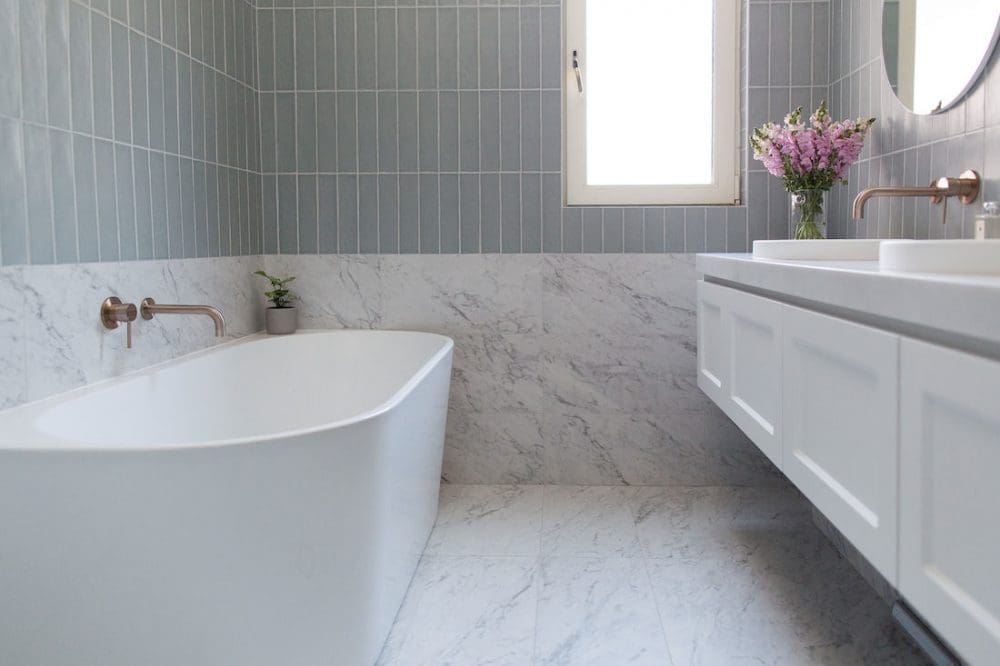
For example, in the Victorian terrace we renovated in Sydney, we used a split-wall tiling scheme in the main bathroom as a contemporary nod to traditional wainscoting — the horizontal wall panelling commonly used in homes of the era. We also restored the original decorative cornices that ran throughout the home, including in the bathroom, creating a space that retained its period character while introducing contemporary design in a sympathetic way.
That’s the sweet spot when renovating: understanding the design language of the original property, then finding ways to restore or reinterpret it for the way we live today.
Be colour brave
With the confidence of knowing your home’s architectural style, you can plan a renovation that celebrates its original features while pushing it into the modern day. And one of our favourite ways to do this is with colour!
While painting a room a bold colour may feel scary, it’s actually one of the easiest design decisions to undo — you can simply paint over it! It also happens to be one of the most affordable and impactful ways to take a tired home and breathe fresh life into it.
Period homes are particularly well suited to colour. Decorative mouldings, high ceilings, picture rails, fireplaces and other architectural details give you opportunities to introduce colour in ways that can highlight rather than compete with the original architecture. You might colour drench an entire room for a dramatic effect, use a contrasting colour above and below a picture rail, or start smaller by introducing colour through painted joinery, your front door or even the ceiling.
We do a deep dive into traditional colour palettes in our guide on how to add colour to a Victorian-style home. Your home may be from a different architectural era, but there are still plenty of expert designer tips you can take from the article, including how to develop a colour palette and ways to dip your toe in when using bold colours for the first time.
Our advice? Don’t feel like owning a period home restricts you to a historically accurate colour palette. Take inspiration from the era and make it your own.
Contrast is the point, not the problem
One of the more persistent myths about period interiors is that everything needs to match the era of the house. But what do you do if you’re adding an extension or want to introduce a modern feel? Whether you’re extending the footprint of the home and need to use modern materials, or you simply prefer a more contemporary interior, it can be exciting to see new and old architecture sit together in harmony.
You don’t necessarily achieve that harmony with equal balance. Rather, we generally like to see a predominantly period home with modern elements thoughtfully infused throughout. As a rough guide, we wouldn’t push it beyond a ratio of 60:40, so the home’s character still clearly anchors the design.
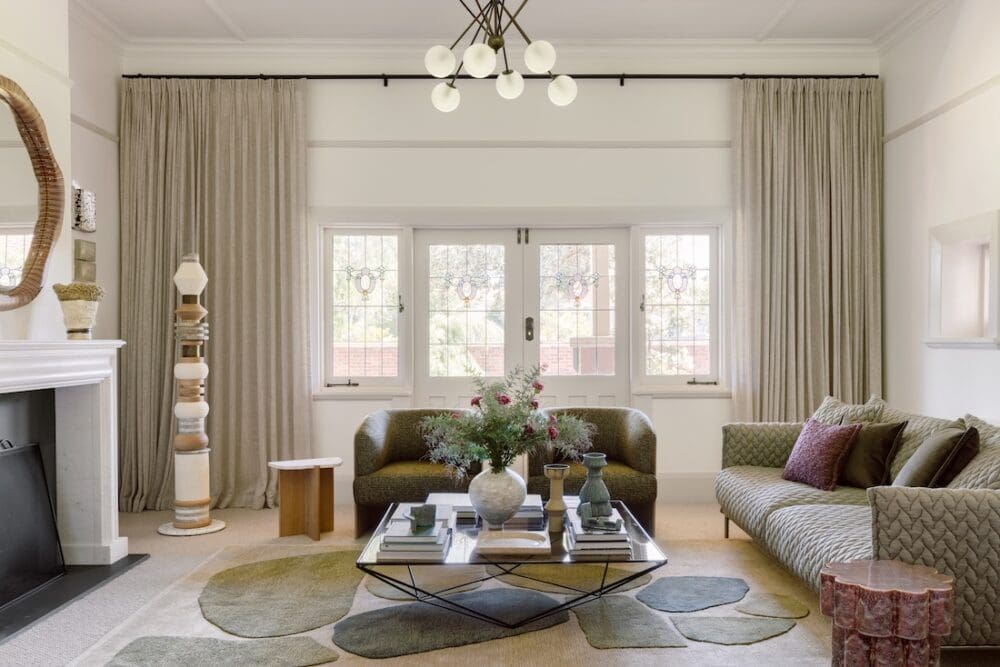
Original features — whether that’s window frames, ceiling roses, ornate cornices or panelled doors — give a room enough historical texture that modern additions read as intentional rather than out of place. Statement lighting, modern window coverings, and contemporary furniture and decor are popular ways to give a period home a fresh feel. We also love the use of modern joinery and natural stone to bring a designer edge while creating a beautiful contrast against original details.
Framing the view matters as much as the room itself
Windows in older properties were rarely placed at random. Georgian and Victorian builders thought carefully about sightlines, symmetry, and how a window would frame whatever sat beyond it, whether that was a garden, a street, or simply the changing light through the day. Modern renovations sometimes lose sight of this entirely, treating windows purely as sources of light rather than compositional elements in their own right.
Preserving the original proportions and glazing pattern of a window keeps that framing intact. Replace a multi-pane sash with a single large sheet of glass, and the relationship between the interior and the view outside changes significantly — often altering the character of the room more than homeowners anticipate.
Similarly, the small details that make traditional windows special are worth preserving. Features such as glazing bar spacing, ironmongery and decorative profiles all contribute to the character of a period home — and they’re probably part of the reason you fell in love with the property in the first place.
Modern comfort doesn’t have to compromise the look
Updating a period home isn’t just about aesthetics — it’s to improve its thermal and acoustic performance, functionality and overall comfort. Thankfully, you don’t have to sacrifice character to achieve this. You can discreetly integrate many modern upgrades, allowing you to enjoy the charm of an older home without feeling like you’re living in one.
Improved insulation, double glazing, underfloor heating, efficient heating and cooling, and quality window coverings can all make a significant difference to how a home feels and performs. You can also upgrade lighting, electrical, plumbing and storage without detracting from the home’s original architecture.
Ultimately, renovating a period home isn’t about freezing it in time. It’s about understanding what makes the home special, preserving the details worth celebrating, and thoughtfully updating everything else for the way we live today. Get that balance right and you’ll create a home that feels connected to its past while being ready for its next chapter.
We hope these ideas inspire your next renovation — and if you’re updating a period home, we’d love to see it! Tag us in your renovation photos on Instagram and share your progress with us.
More building and renovation tips