
You can spend hours choosing the perfect paint colour, furniture and finishes, but get the lighting wrong and your space can suffer — both in how it looks and how well it functions. Lighting has a huge impact on how we experience a room, yet it’s often one of the last things people consider when decorating or renovating.
And there’s more to a good lighting plan than choosing beautiful fixtures. From relying on a single overhead light to selecting the wrong colour temperature or forgetting task lighting, there are plenty of small mistakes that can affect how your home looks, feels and functions.
The good news? Many of them are relatively easy to fix — or even better, avoid in the first place. Keep reading as we share 7 of the most common home lighting mistakes and what to do instead.
Related article: A delightful heritage renovation designed for modern family living
Related article: 10 stylish floor lamps, from luxe to less
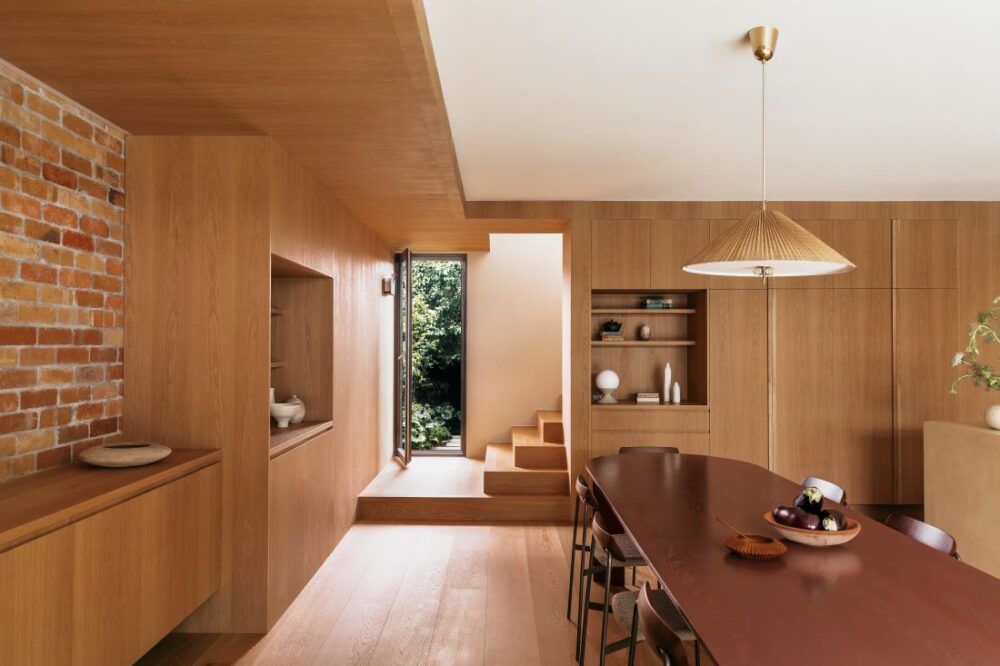
Mistake 1: Relying on one overhead light for the whole room
One of the common lighting mistakes we discuss in our guide to creating a lighting plan is filling your whole home with downlights, often over-illuminating your interiors. However, going to the other extreme and relying on a single ceiling light creates problems too.
“Using one overhead light for an entire room can create flat, harsh lighting while leaving dark shadows in corners or areas where you may actually need more light,” says Hamid, one of the local electrical experts in Brighton at Canny Electrics.
“The fix is layering. For example, you can combine your overhead light with a floor lamp or table lamp, and maybe some wall washes or under-shelf strip lighting.
“Not only will you achieve more depth, you’ll have greater flexibility to adjust your lighting depending on the time of day or occasion.”
Mistake 2: Ignoring colour temperature
You may have heard of warm vs cool light bulbs, but what does that actually mean? The colour temperature of light is measured in Kelvin (K). As a general guide, bulbs around 2700K–3000K produce a warm white light, while 4000K and above creates a cooler, whiter light.
And this isn’t just a technical detail on the side of a bulb packet. Colour temperature can significantly change how a room looks and feels. Warm white light has more of a yellow undertone, helping to create a cosy and inviting atmosphere, while cooler light has a crisper appearance that can feel stark when used in relaxing spaces.
For most areas of the home, we prefer warm white lighting around 2700K–3000K, particularly in bedrooms and living spaces. A more neutral or cooler light can work well in task-focused areas where visibility and clarity are the priority, such as a home office.
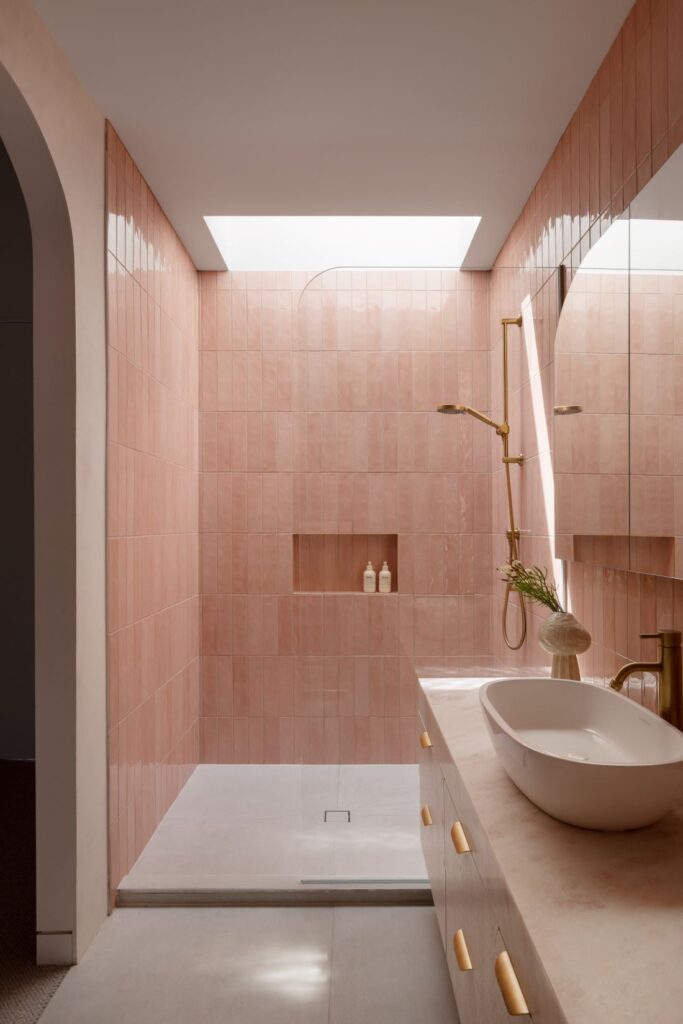
Mistake 3: Forgetting that dimmers exist
Another common lighting mistake, according to Hamid, is relying solely on standard on/off switches.
“Fixed brightness is such a missed opportunity. While dimmer switches cost a little extra upfront, they instantly make a space more flexible, functional and atmospheric.
“In older homes, your existing wiring and light fittings may need to be assessed before installing dimmers. For new builds and extensions, I always recommend considering dimmers from the outset — it’s a relatively small investment that can make a big difference to how you use and experience a space.”
Mistake 4: Hanging pendant lights at the wrong height
Pendant lights hung too high can leave a dining setting feeling strangely disconnected, while hanging them too low can obstruct sightlines or even become a hazard.
“Over a dining table, aim for roughly 70cm above the surface. This keeps the light close enough to create warmth and focus over the table, without dropping into anyone’s eyeline once they’re seated.
“Over a kitchen island, you’ll generally want to go slightly higher, since people are standing rather than sitting. Around 80cm is a good starting point, but you may need to adjust this depending on your ceiling height, the size of your pendant and the overall scale of the space,” explains Hamid.
For more measurements and tips, check out our guide on what height to hang pendant lights.
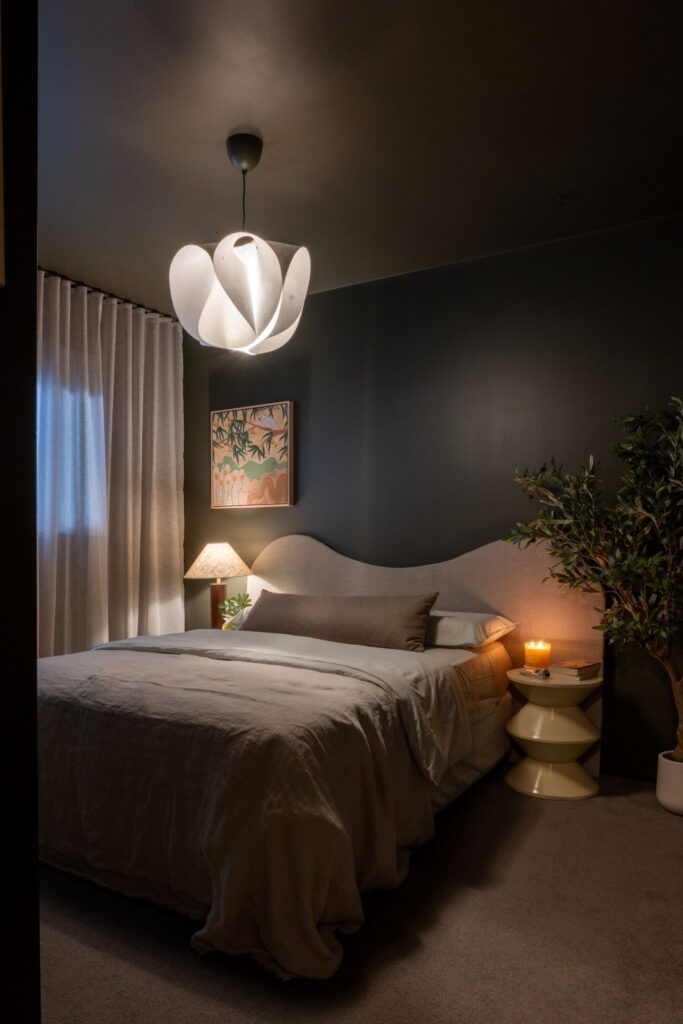
Mistake 5: Forgetting task lighting
Ambient lighting sets the mood, but it rarely gives you enough light to read comfortably, chop vegetables safely or apply makeup with ease.
Under-cabinet kitchen lighting, a proper reading lamp beside an armchair or well-placed mirror lighting in the bathroom — these small additions solve real, everyday frustrations that ambient lighting alone never will.
In fact, the first step when developing a lighting plan should be to consider your task lighting. What will you be doing in each zone of your home? How much light do you need to do those activities comfortably and safely? Start there, before thinking about decorative lighting and the fixtures you love.
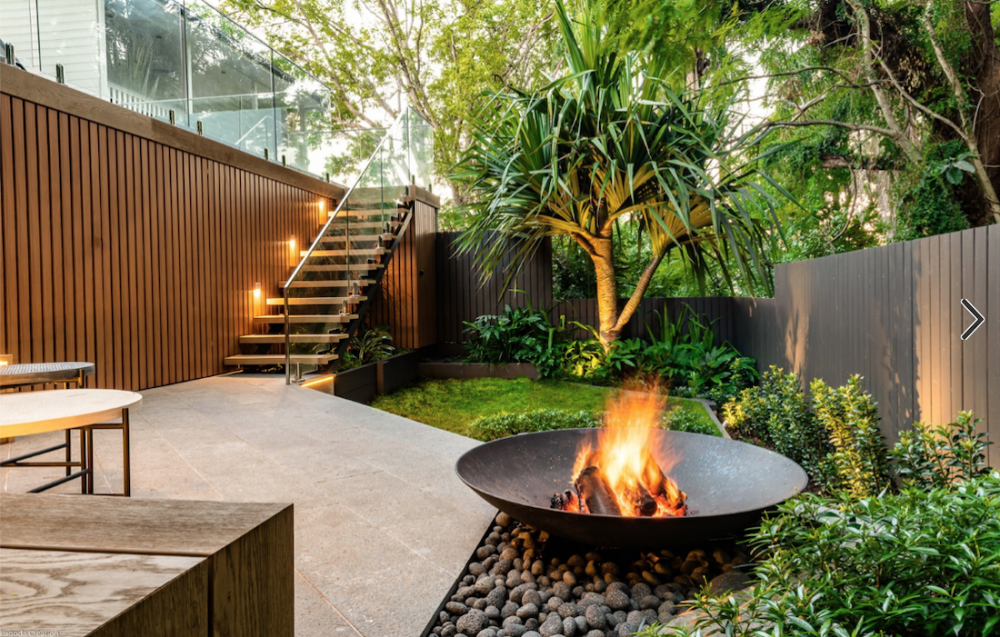
Mistake 6: Treating outdoor lighting as an afterthought
Another missed opportunity, according to Hamid, is neglecting your outdoor lighting.
“Outdoor lighting can serve many purposes. It can make spaces more functional by illuminating pathways and outdoor living areas, while also enhancing your home’s aesthetics and improving security,” he says.
“When it comes to functional outdoor lighting, there are a few areas I always recommend prioritising. Lighting in and around the garage is particularly useful — ideally on a sensor, as you often have your hands full and it can double as a security measure.
“Pathways should also be well lit, and there are plenty of ways to achieve this, from simple solar lights to wired outdoor step lights. Then consider any outdoor zones you’ll use once the sun goes down, such as an alfresco area, cabana or pool zone, and make sure there’s sufficient lighting for how you’ll use the space.
“But outdoor lighting can also be a lot of fun and an extension of your home’s style. Think well-placed uplights highlighting a feature tree, architectural wall lights or festoon lights creating ambience over a deck.”
Mistake 7: Not planning for smart lighting early
Finally, as technology continues to advance, smart lighting is no longer just a gimmick or expensive luxury. It’s becoming an everyday convenience, giving you greater control over how your home looks and functions throughout the day.
“With smart lighting, you can program different scenes or moods and automate your lights to adjust depending on the time of day or what you’re doing,” explains Hamid.
“Imagine coming home to a warmly illuminated house rather than stumbling around in the dark. Or pressing one button to dim the lights for movie night or switch off every light before bed. These are the kinds of everyday conveniences smart lighting can offer — often controlled straight from your phone.
“Retrofitting smart lighting later is doable, but it’s rarely as seamless as planning for it from the start. If a renovation is already on the cards, it’s worth having a conversation about wiring for smart switches and zoned lighting circuits now, rather than living with a patchwork of smart bulbs and hub-dependent workarounds down the track.”
We hope these common lighting mistakes have given you a few ideas to improve the lighting in your home — or avoid them in your next project. Get your lighting right and you’ll be amazed at how much better your home can look, feel and function.