
While most of our articles are created for homeowners looking to style, renovate and improve their homes, we also have a large community of interior designers and stylists who follow Style Curator. So from time to time, we like to share advice specifically for those working — or hoping to work — in the industry. In the past, we’ve covered everything from improving your product styling to interior photography, and today we’re diving into another important topic — personal branding.
When you study interior design, branding often comes up in the context of developing your visual identity — perhaps creating a logo, business card, branded portfolio or other marketing collateral. And while those things still have their place, in 2026 a strong personal brand goes far beyond good typography and a beautifully designed letterhead.
Your personal brand is the bigger picture. It’s what you become known for, the point of view you bring to your work, the expertise you demonstrate, how you show up online and, ultimately, what makes someone remember you among a sea of talented designers.
So today, we’re looking beyond brand colours and logos to get to the heart of building a personal brand as an interior designer — one that feels authentic, establishes credibility and helps attract the kind of work you want to be doing.
Related article: How to improve your product styling and interior photography
Related article: How to create a digital mood board
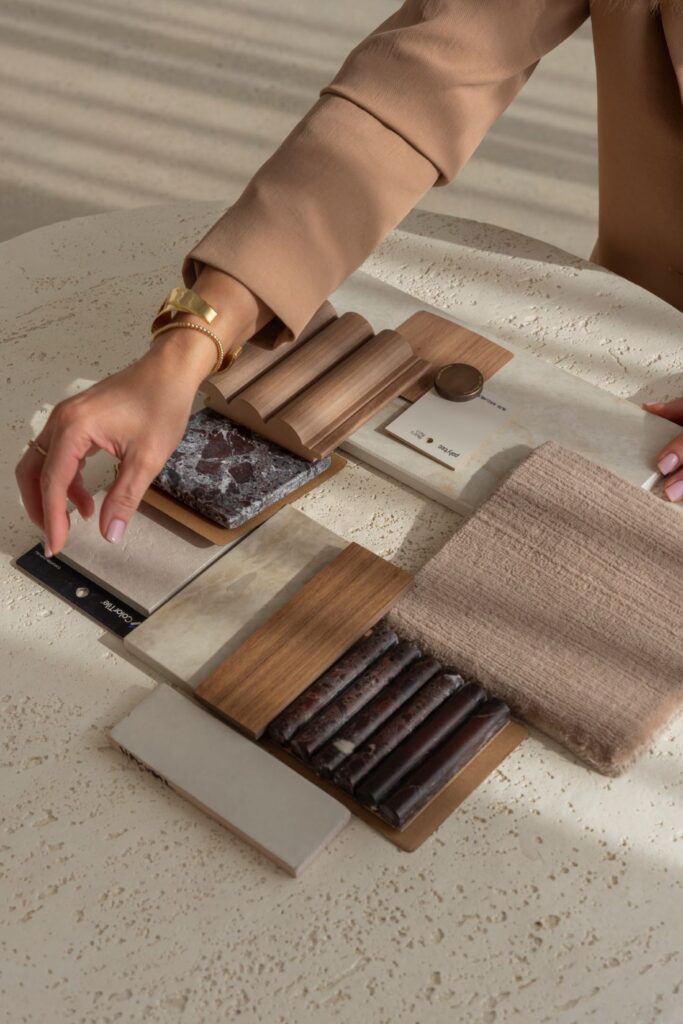
Define what you want to be known for
When we think of Australia’s top interior designers, one thing many have in common is a recognisable style or niche. Rather than trying to be everything to everyone, they’ve honed their craft and become known for either a signature aesthetic or a particular area of interior design.
Perhaps it’s creating bold, colourful interiors, perfecting a contemporary farmhouse aesthetic or designing rich, luxe and tactile spaces. Others may become known for sustainable design, heritage renovations or clever small-space solutions.
That kind of recognition rarely happens by accident. It’s usually the result of years spent refining a point of view, building on strengths and consistently creating work that reinforces what they do best. But you can be intentional about that process from much earlier in your career.
Consider what you want to be known for. What do you do particularly well? What perspective or expertise do you bring that might distinguish you from another designer? Then look for opportunities to strengthen and showcase those qualities through the projects you take on, the work you feature in your portfolio and the content you share.
This is really at the heart of building a strong personal brand. You explore this topic further through industry research or more structured study, such as a digital marketing certificate — particularly useful if you’re running your own studio or working freelance.
This doesn’t mean locking yourself into one microscopic niche. It’s about developing a clear enough point of view that people begin to associate your name with something — and helping your ideal clients recognise that you’re the designer for them.
That’s when a strong personal brand starts doing some of the marketing for you.
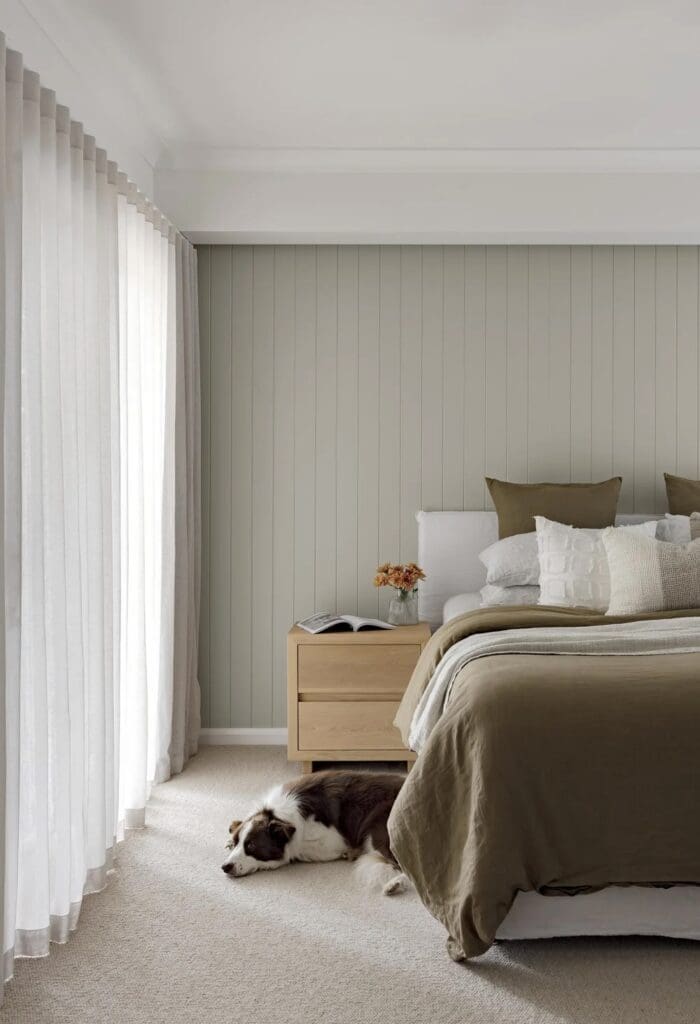
Create a portfolio that tells a story
Once you’ve defined what you want to be known for, it’s time to present that to the world. And one of the most impactful ways to do this is through your design portfolio.
Increasingly, portfolios are digital — often a dedicated gallery or project section of your website — but there’s more to a strong portfolio than a collection of beautiful before-and-after photos.
To connect with potential clients and demonstrate the value you bring to a project, tell the story behind the transformation. Who was the space designed for? What was the brief? What wasn’t working before? Were there budget constraints, awkward dimensions or competing priorities? And, most importantly, how did you solve those challenges?
Don’t forget to highlight the clever design decisions that may not be immediately obvious in the finished photography. Perhaps you improved the thermal or acoustic performance of the space, or reworked the floor plan to improve flow. These details demonstrate the depth of thinking behind the beautiful end result.
You don’t need to write an essay about every project. Just provide enough context to build trust, establish your credibility and show potential clients how you approach and solve real design problems.
Finally, be selective about what you include. Your portfolio doesn’t need to feature every project you’ve ever completed. Curate your strongest work — and particularly the projects that reinforce what you want to become known for. In this way, your portfolio doesn’t just document where you’ve been, it can help shape the kind of work that comes your way next.
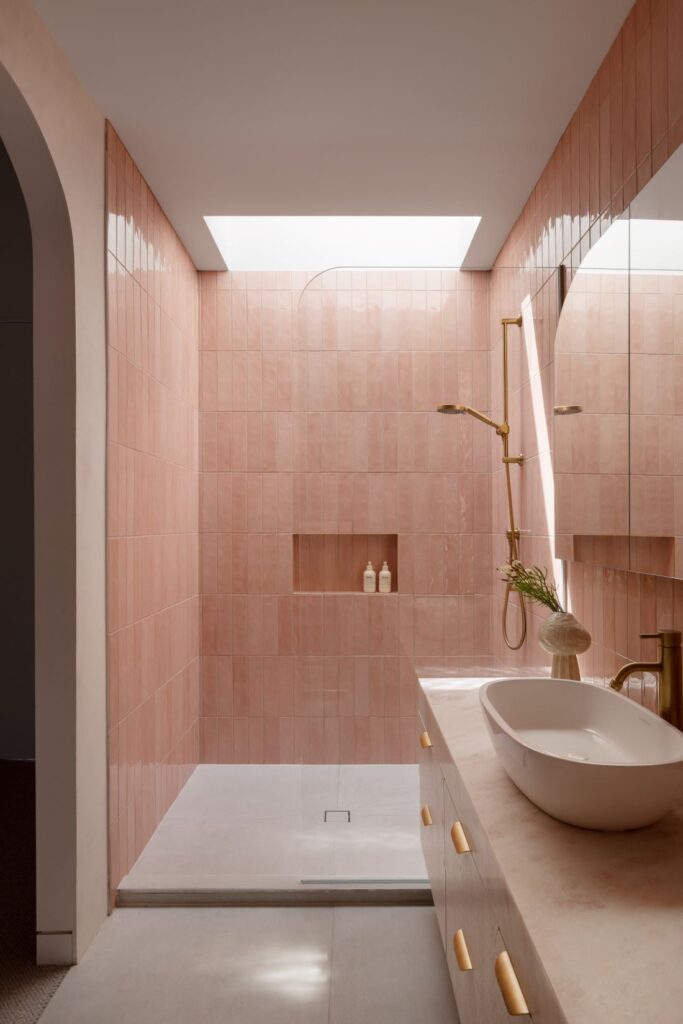
Share your expertise, not just the finished room
Know that saying, ‘Build it and they will come’? Well, in interior design it’s probably more like, ‘Build it — and then tell everyone about it… wherever you can!’
Social media is a powerful tool for interior designers because it allows you to build a direct relationship with potential clients before they’ve even spoken with you. Through the projects, ideas and insights you share, people can begin to understand your style, your personality and, importantly, your expertise.
But with an endless stream of beautiful interiors filling Instagram, Pinterest and TikTok, sharing polished project photography alone may not be enough to stand out. The solution? Show people the expertise behind the finished room.
Share the terrible ‘before’ photo and explain how you transformed it. Talk about why you specified one material over another, the awkward corner that took three attempts to resolve or why you changed the original floor plan. Explain where you decided to splurge and where you saved, or why a particular finish was the practical choice for a busy family home.
In other words, don’t just show people what you designed — show them how you think as a designer.
This kind of content gives potential clients insight into your design process and demonstrates the value you bring to a project. Over time, you’re building familiarity and trust, so by the time someone does reach out about working together, they may already have a strong sense of who you are, what you do and why you could be the right designer for them.
And don’t feel pressured to be everywhere at once. Choose the social platforms that make sense for your work and the clients you want to reach, then focus on sharing useful, considered content that reinforces the personal brand you’re building.
Make your website the home of your brand
Social media is useful for discovery, but your website is one of the few digital spaces you truly control. It should make it easy for someone who has discovered your work to take the next step. Potential clients should be able to quickly understand what you do, where you work, the services you offer and how to contact you.
Your website should also feel consistent with the designer they’ve encountered elsewhere. That doesn’t mean everything needs to look identical, but your imagery, language and overall presentation should create a recognisable impression.
And don’t neglect your About page! Interior design is personal. You’re entering someone’s home, discussing budgets, learning how their family lives and making decisions together, sometimes over many months. It makes sense that clients want to know something about the person they’ll be working with.
Qualifications, experience and industry recognition can help establish credibility, but personality matters too. Write in a way that sounds like you rather than filling your website with design jargon you’d never actually say to a client.

Build credibility with testimonials
As well as sharing your expertise, another powerful way to build credibility and trust is with client testimonials. Reviews offer something your portfolio can’t — evidence of what it’s actually like to work with you.
Rather than only seeking generic comments about how beautiful a room looks, encourage clients to talk about their experience. Did you make the renovation process easier? Solve a problem they’d struggled with for years? Help them make confident decisions? Keep a challenging project on track? These insights can help prospective clients understand the value you bring beyond the finished design.
And while written testimonials are valuable, if you can secure a video testimonial, even better. They’re still relatively uncommon in the interior design industry and can feel particularly authentic because potential clients can see and hear a past client describing their experience in their own words.
Share these testimonials across your website, portfolio and social media so they become another piece of proof supporting the personal brand you’re building.
Make every project work harder
A completed project can give you far more promotional material than a single social media post. A bathroom renovation you’re proud of, for example, could become a detailed portfolio case study, a before-and-after Instagram Reel, several social posts, Pinterest content and a blog article exploring the design decisions you made.
The trick is documenting the project while it’s happening. Take progress photos. Save your early sketches and moodboards. Photograph material samples together. Capture short videos when cabinetry arrives or a major element is installed. Keep the original floor plan and photograph those less-than-glamorous construction stages.
Otherwise, it’s surprisingly easy to reach the end of a six-month project with 12 immaculate photographs of the finished room but very little evidence of the work and thinking that got you there.
Those behind-the-scenes assets can become some of your most valuable personal-brand content because they help tell the story behind the finished design.
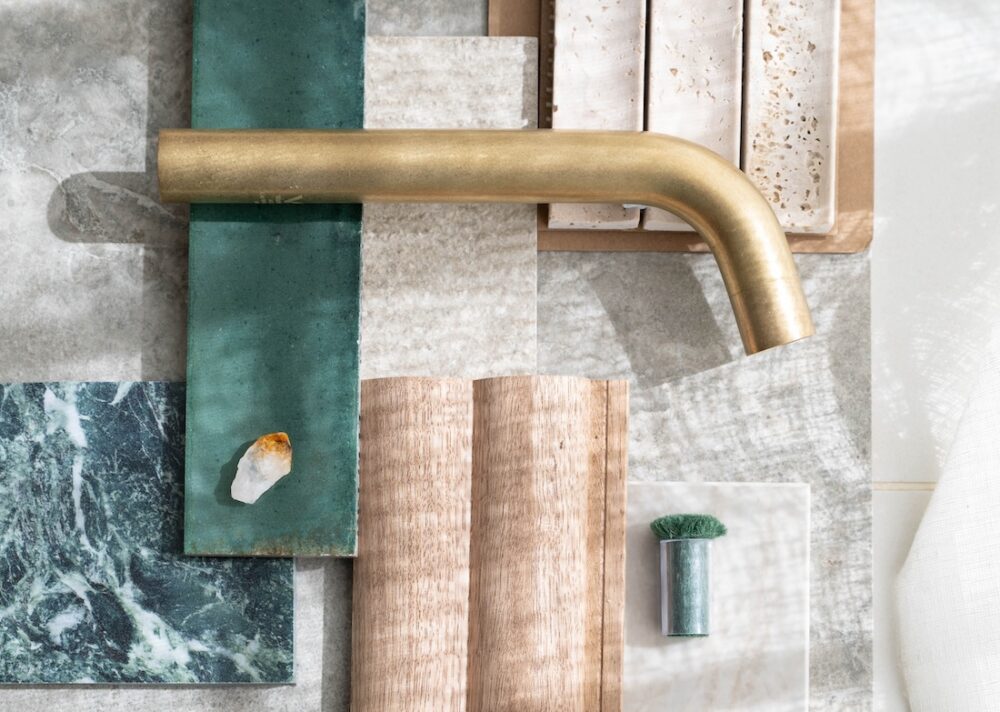
Learn how to market your expertise
You don’t need to become a full-time marketer to build a successful design business, but understanding the basics can help you be much more intentional about how you promote your work.
This is also why developing your digital marketing knowledge can be valuable. Rather than posting another beautiful living room because you haven’t uploaded anything for a week, you can start thinking strategically about who you’re trying to reach, what you want to be known for and what action you want someone to take after discovering your work.
It’s also worth understanding the different role each marketing channel can play. Social media might introduce someone to your work, Pinterest could bring them to your website, a strong portfolio might establish your expertise, and an email newsletter could help you stay front of mind until they’re ready to start a project.
Interior design may be highly visual, but beautiful imagery alone doesn’t necessarily translate into enquiries. Understanding how all those touchpoints work together can help turn visibility into genuine business opportunities.
Keep your personal brand personal
Finally, don’t get so caught up in creating a ‘brand’ that you remove all the personality from it.
The aim isn’t to invent an online character or copy what another successful designer is doing. In fact, that can have the opposite effect and make it harder for people to understand what makes you distinctive.
Let your own design philosophy, experience and personality come through in the projects you showcase and the way you communicate. Consistency helps people recognise you, but authenticity gives them something to connect with.
We hope these tips help you create or finesse a personal brand that feels authentically you and reflects the kind of designer you want to be. Remember, a strong personal brand isn’t built overnight. Keep refining your point of view, sharing your expertise and showcasing the work you want more of, and over time you’ll build a reputation that helps the right clients find you.
For more industry advice, design inspiration and behind-the-scenes tips, be sure to follow Style Curator on Instagram and subscribe to our newsletter.