
Over the years, we’ve shared plenty of renovation advice. Everything from how to develop a materials palette and use colour psychology in interior design, to the kitchen measurements you need to know and our best bathroom lighting tips. But there’s one important part of renovating that often gets overlooked — renovation safety.
As well as creating a safer work environment (especially important if you’re living through your renovation), getting these things right from the start can help your project run more smoothly and avoid unnecessary issues along the way. Keep reading as we cover the key renovation safety checks to make before work begins.
Related article: Do you need an interior architect for your renovation?
Related article: Renovations without an occupation certificate: Here’s what it can cost you
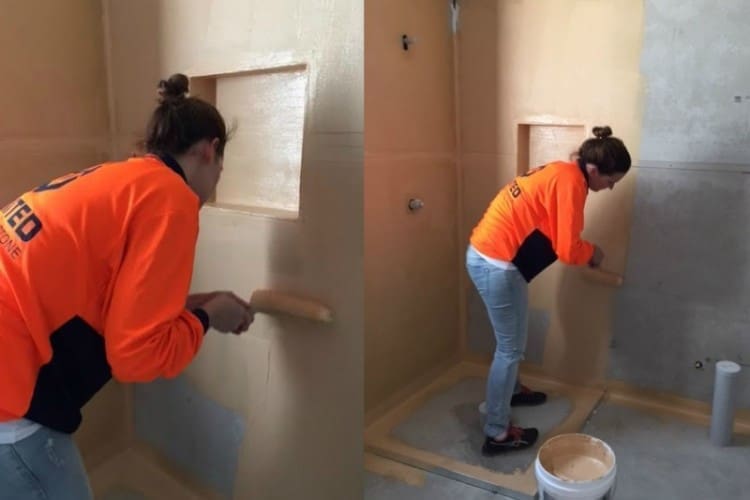
Check the licence of tradies before you hire them
Our first reno safety tip comes before you even pick up a tool, and that’s hiring qualified tradies. It should go without saying, but unfortunately some people operate without the necessary qualifications or licences — and you may not discover this until they’ve completed the job (poorly) or issues start cropping up months later.
Many regulated trades, including electrical, plumbing, gas fitting and certain building work, require specific licences. Requirements vary across Australia, so don’t assume that someone who is qualified to perform one type of work can legally take on everything involved in your renovation.
Thankfully, checking is generally pretty easy. Most state and territory regulators have an online licence search where you can confirm whether a tradie’s licence is current and covers the type of work you’re engaging them to do.
This is particularly important if your renovation involves multiple trades or subcontractors. Ask your builder or principal contractor who will be carrying out regulated work and how the relevant licences will be managed.
For work that doesn’t require a specific trade licence, do your own checks before hiring. Ask friends or family for referrals, read customer reviews and, where possible, take a look at examples of their previous work. Qualifications are important, but so is a proven track record of quality workmanship.
Tip: We’ve got a separate guide on how to find, vet and hire a tradie if you’re still at the earlier stage of finding the right people for your renovation.
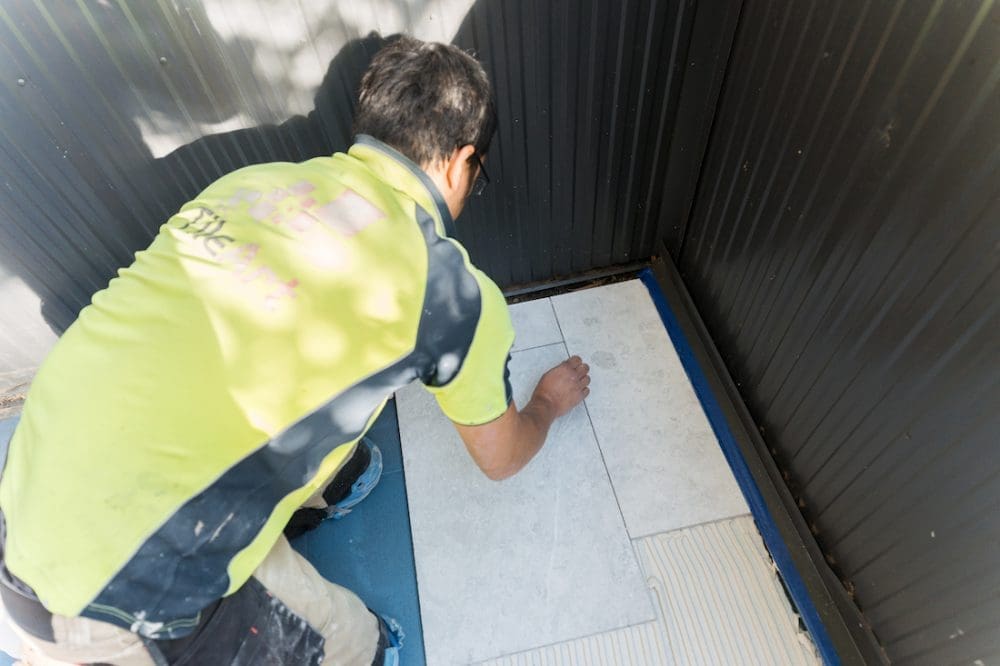
Verify they hold the right insurance
Insurance is another important conversation to have before work begins. Depending on the project and who you’re engaging, this may include public liability insurance, workers compensation and relevant building or home warranty insurance.
When we built our home, we had a moment of panic when a tradie fell from the scaffolding and we suddenly found ourselves double checking that all the right insurances were in place. Thankfully, they were — but it was a timely reminder of just how important these checks are.
Rather than making assumptions, ask your builder or tradie what insurance they hold and request evidence of current cover where appropriate. For larger renovations, you may also want to speak with your own home insurer before construction begins to make sure you understand how renovation work could affect your existing policy and whether you need to notify them.
Keep copies of relevant documentation with your renovation contract and other project records. Whether that’s a hardcopy folder or digital vault, store everything somewhere safe and easy to access. Hopefully you’ll never need them, but they’re much easier to locate if you’ve organised everything before construction starts.
Do they have a white card?
A White Card — officially known as a general construction induction card — shows that a person has completed general construction induction training.
If someone is carrying out construction work, Australian work health and safety requirements may require them to have completed this training. However, White Card requirements vary depending on the type of work and your state or territory, so don’t assume that everyone who works on your renovation needs one.
If your renovation involves construction work, ask your builder or contractor how they’ll manage White Card requirements and other site safety obligations.
If someone working on the project needs to complete their induction, White Card training should be undertaken through an appropriate registered training provider.
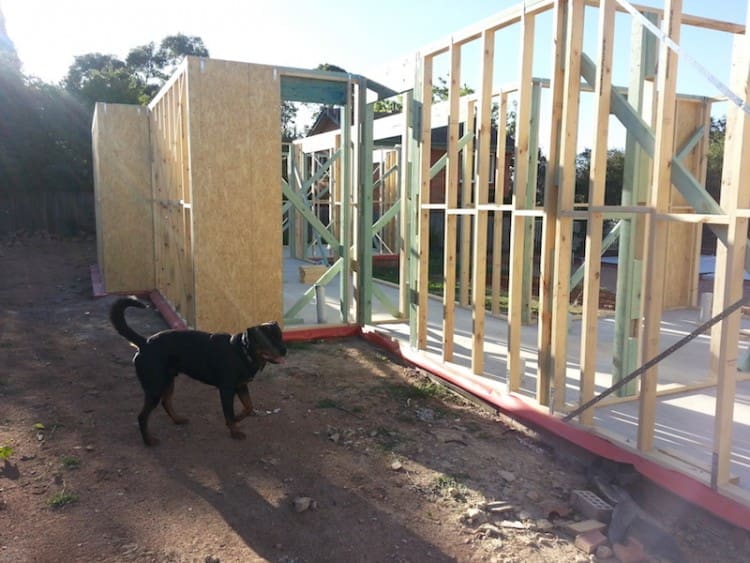
Identify potential hazards before demolition
Ok, with the pre-reno checks done, it’s time to think about demolition. Because almost every good renovation involves some kind of demo 😉 And there can be a lot of unforeseen renovation safety issues hiding behind walls, under flooring or above the ceiling.
Older Australian homes in particular can contain materials or building elements that require specialist assessment before they’re disturbed. Depending on the age and condition of the property, potential hazards could include asbestos-containing materials, old electrical wiring, damaged structures, mould or other hidden issues.
This is another reason why the demolition stage shouldn’t be approached casually. Pulling up flooring or knocking out a wall may expose something you weren’t expecting.
Talk to your builder or relevant professional about potential hazards before demolition starts, particularly when renovating an older home. If you uncover a potential hazard, get an appropriately qualified professional to assess or remove it rather than treating it as another DIY job.
Establish who is responsible for site safety
On a large renovation, there may be a builder, electrician, plumber, tiler, carpenter and various subcontractors moving through your home at different stages. It’s worth understanding who is managing the worksite and how safety will be coordinated.
Ask who your main point of contact is and what happens when subcontractors arrive. You should also know who to speak to if you notice a hazard or if a tradie leaves part of the site in an unsafe condition.
For smaller projects where you’re engaging individual trades yourself, responsibilities may be less centralised. This makes clear communication particularly important.
Don’t be afraid to ask practical questions before work starts. Where will tools and materials be stored? Which areas of the home will be inaccessible? Will the property be secured at the end of each day? Who should you contact if something goes wrong?
Having these conversations early is much easier than trying to establish the rules once your home is already a construction zone.
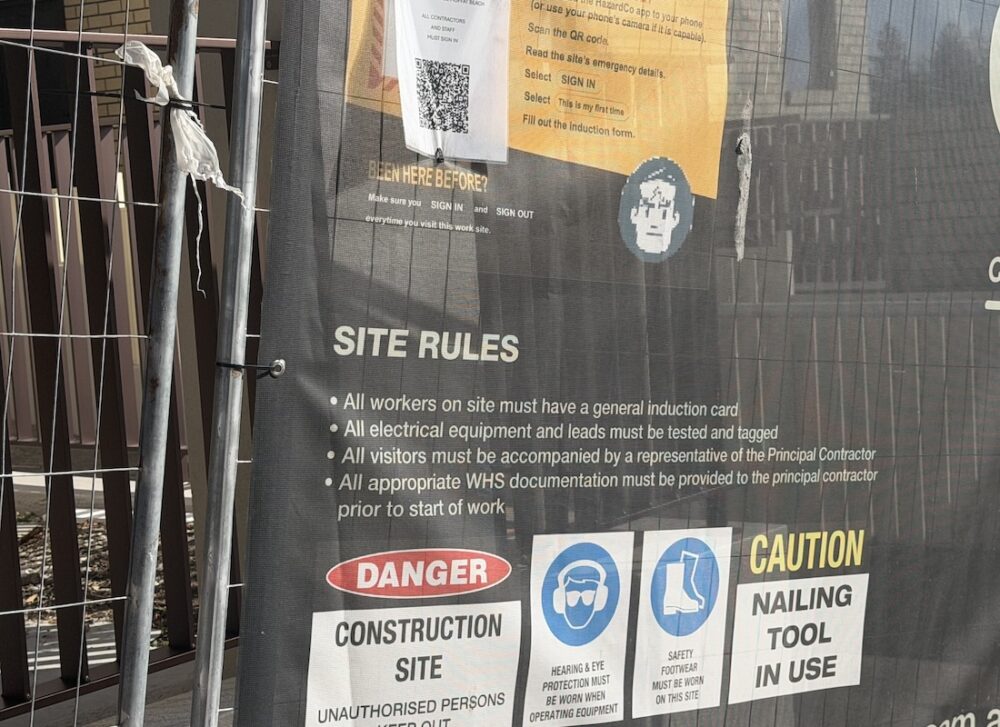
Make a safety plan if you’re living through the renovation
Few things are more challenging than living through a renovation — especially if you have children or pets. But sometimes there’s just no other option, so let’s look at how you can safely live at home while the work goes on around you.
Where possible, establish a clear separation between living areas and construction zones. Temporary barriers and closed doors can help contain dust and discourage people from wandering into areas where work is underway.
Pay particular attention to access routes through the home. If you need to walk past a work area to reach your bathroom, kitchen or front door, ask your builder how they’ll keep that path safe and accessible throughout the reno.
And be realistic. There may be stages of your renovation when staying at home simply isn’t practical — particularly during major demolition, or when essential services such as electricity, plumbing or bathroom facilities are temporarily unavailable. If possible, plan ahead for these stages so you’re not suddenly scrambling to find somewhere else to stay.
Think about security as well as safety
Renovation safety isn’t just about avoiding accidents. Once work begins, the constant movement of trades and subcontractors can make it harder to keep your home secure. Doors may stay open while materials come and go, and you may need to temporarily remove fences or other security barriers.
Chat to your builder about how they’ll keep the property secure outside working hours and who will have keys, access codes or other entry permissions. Also consider any expensive tools, appliances and fixtures left on site as your renovation progresses. We’re speaking from experience here, unfortunately an expensive generator disappeared from our building site overnight!
If you have smart locks, consider issuing temporary or time-limited access rather than sharing your household’s permanent codes. And once the reno wraps up, do a final security reset — collect spare keys, remove temporary permissions and update any codes you no longer want shared.
Get everything in writing
We’ve said it before and we’ll say it again: get everything in writing! A clear contract and paper trail can save a world of pain if something goes wrong during your renovation.
Depending on the scale of your project, your paperwork should clearly establish the scope of work, payment arrangements, timeline, materials and who is responsible for different parts of the job. Larger or more complex renovations may also require documentation around permits, insurance and safety.
Keep important emails, contracts, variations, approvals and other project records together as your renovation progresses. And if an incident, unexpected hazard or dispute arises, document what happened and raise your concerns in writing.
If you can’t resolve a serious issue directly with your builder or tradie, contact the relevant building regulator, consumer affairs body or work health and safety regulator in your state or territory for advice on what to do next.
We hope these renovation safety tips have uncovered a few additional things you could do to keep your renovation running smoothly, or offered peace of mind that you’ve done all the important checks and balances. Remember, you don’t need to become a construction safety expert yourself. Asking the right questions before demolition begins can help you understand who’s responsible for what — and give you greater confidence as your renovation gets underway. For all our latest home renovation and design tips, be sure to subscribe to Style Curator.