
Choosing the right external building materials is one of the biggest design decisions you’ll make when building or renovating a home. Your exterior not only creates street appeal but also influences your home’s character, durability, maintenance requirements and even its energy performance.
While brick and render remain popular choices, there are many more materials you may not have considered using. From natural timber cladding and stone to metal, concrete and fibre cement, today’s building materials offer endless opportunities to create a home that feels unique and reflects your personal style.
Whether you’re designing a contemporary new build, coastal retreat or modern farmhouse, these 10 external building materials are well worth considering.
Related article: 9 ways to design indoor outdoor living into your home
Related article: What kitchen configuration is right for you? A guide to the most popular kitchen configurations
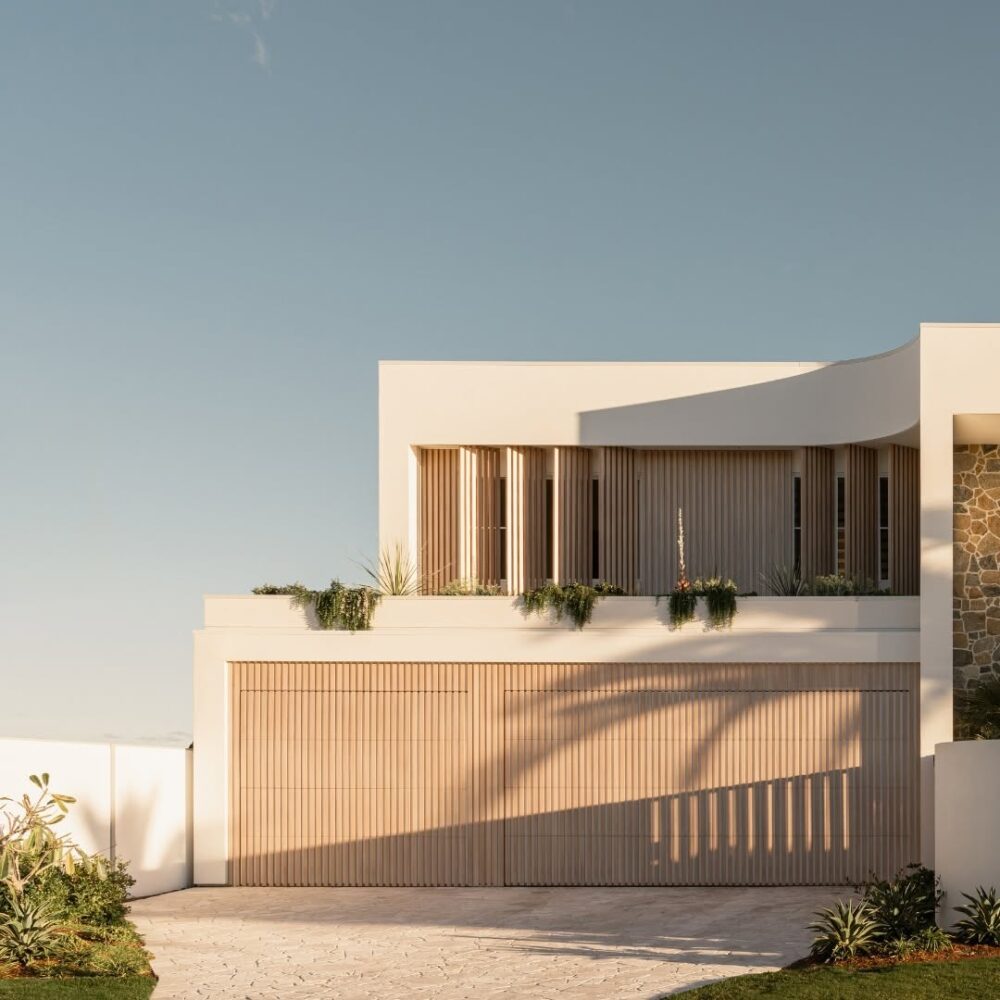
1. Aluminium battens (including timber look battens)
One of the biggest exterior design trends in recent years has been the rise of aluminium battens. Whether used as a striking facade feature, privacy screen or architectural detail, battens add texture, warmth and visual interest while giving a home a modern, high-end look.
They’re particularly effective on upper-storey balconies where you want to increase privacy without completely blocking natural light or airflow. They can also be used to highlight an entry, screen a garage, define outdoor living spaces or create a feature that breaks up large expanses of brick or render.
While traditional timber battens create a beautiful natural aesthetic, they do require ongoing maintenance. Timber-look aluminium battens like those pictured above offer a practical alternative, delivering the warmth and character of timber with the durability and low maintenance of aluminium. Available in realistic timber finishes as well as crisp white, black and other powder-coated colours, they suit everything from coastal homes to contemporary new builds. Many systems are also non-combustible and won’t require sanding, staining or painting over time.
Designer tip: A little goes a long way. Rather than covering your entire facade, repeat the material in two or more locations — such as the front entry, balcony and garage — to create a cohesive, architect-designed look.
2. Recycled or reclaimed brick
If you’re looking to add warmth and character to a new build, recycled or reclaimed brick is a beautiful option. Every brick has its own unique patina, creating texture and depth that’s difficult to replicate with new materials.
Reclaimed brick works particularly well as a feature material, whether it’s wrapping an entry, highlighting a chimney, creating a garden wall or adding interest to sections of your facade. It pairs beautifully with contemporary materials like render, timber cladding, concrete and steel, helping to soften modern architecture and give a home a more established feel.
Beyond aesthetics, recycled brick is also a more sustainable choice. By giving existing materials a second life, you’re helping to reduce landfill and the demand for new manufacturing, while preserving the character and craftsmanship of older bricks that might otherwise be lost.
Designer tip: Use recycled brick as a feature rather than across the entire facade. Combining it with complementary materials creates contrast and allows the texture and colour variation to really stand out.
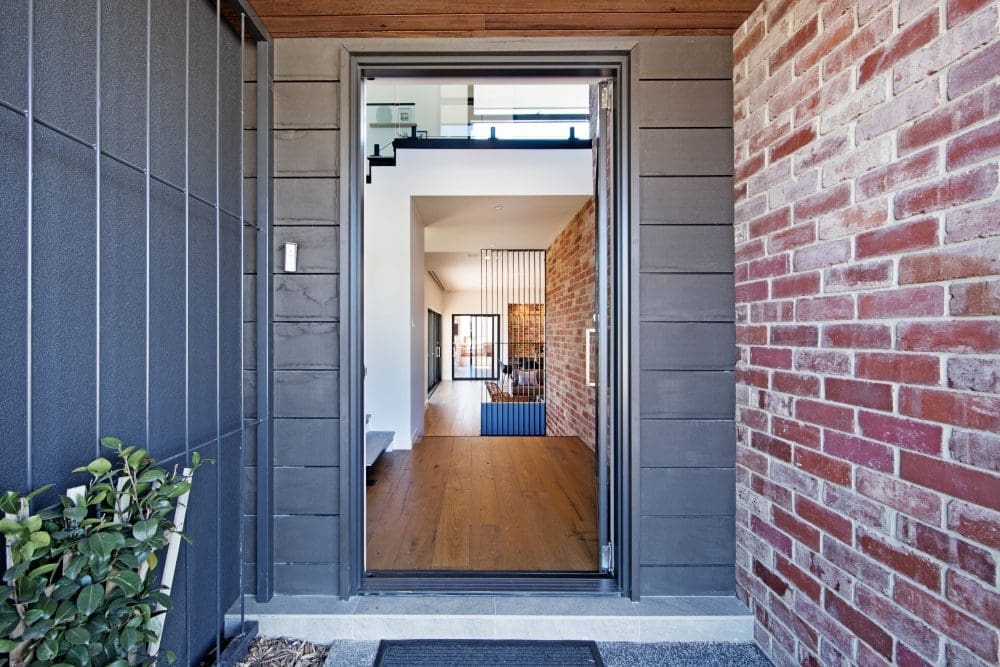
3. Weatherboard
Weatherboard cladding has become one of Australia’s most popular exterior building materials, thanks to its timeless appeal and versatility. While it’s long been associated with traditional cottages and Queenslanders, it’s now a defining feature of Hamptons, coastal and modern farmhouse homes, and is increasingly being incorporated into contemporary designs.
Whether you choose traditional timber weatherboards or low-maintenance fibre cement alternatives, the horizontal lines create a relaxed yet refined look that adds texture and character to a home’s exterior. It’s a material that works equally well as full-house cladding or as a feature when paired with brick, stone or render.
White remains the classic choice for a fresh coastal or Hamptons-inspired facade, while deep navy, charcoal and black create a more contemporary feel. Complete the look with crisp white trim, a statement front door and, if you’re embracing the Hamptons style, details such as a round feature window or white picket fence.
Designer tip: Weatherboards look their best when paired with simple landscaping and quality exterior lighting. Let the texture of the cladding be the hero rather than competing with too many different facade materials.
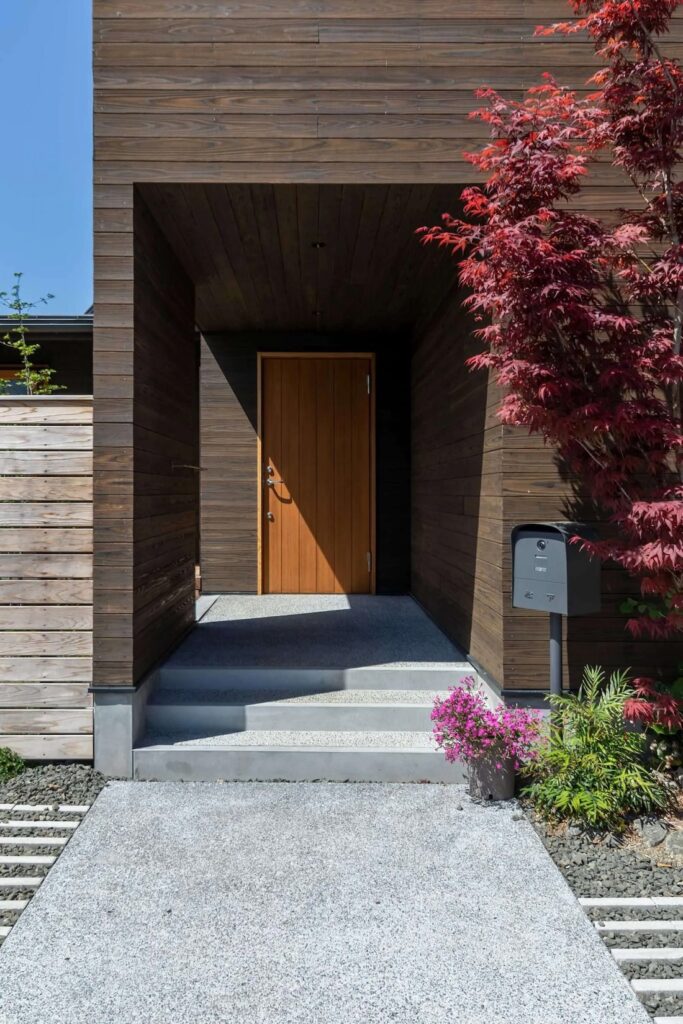
4. Japanese charred timber cladding (Shou Sugi Ban)
If you’re looking for an exterior material that combines natural beauty with durability, Japanese charred timber cladding is well worth considering. This traditional Japanese technique involves charring the timber surface to enhance its resistance to weather, insects and decay while creating a striking textured finish.
It works beautifully across contemporary, coastal and Japanese-inspired homes, adding warmth and character without the ongoing maintenance often associated with untreated timber.
Designer tip: To embrace the Japanese aesthetic, keep the rest of your exterior simple and restrained. Pair charred timber cladding with clean-lined windows and doors, a muted colour palette and minimal detailing. The beauty of this material lies in its rich texture and natural variation, so letting it take centre stage creates a calm, architectural look.
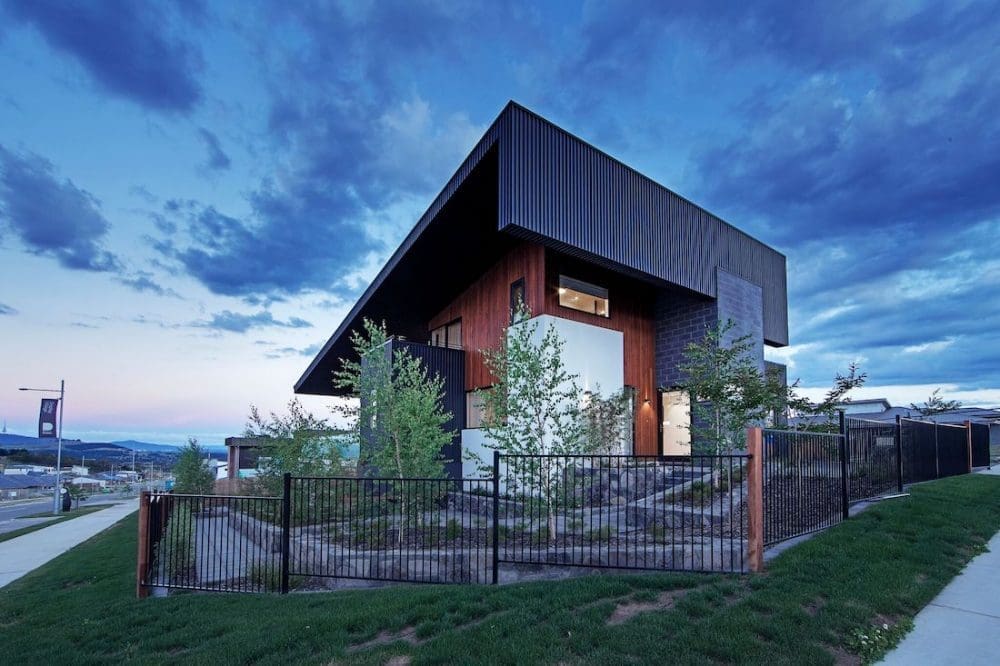
5. Aluminium cladding
If you’re after a sleek, contemporary exterior, aluminium cladding is hard to beat. Strong, lightweight and highly weather resistant, it’s a durable, low-maintenance option that works particularly well on modern and architectural homes.
Available in a wide range of colours, finishes and profiles — including standing seam, interlocking panels and cassette systems — aluminium cladding adds clean lines and a refined, architectural feel to any facade. It can also be used to create striking feature walls, wrap upper storeys or seamlessly integrate garages and outdoor living areas into your home’s design.
Unlike many exterior materials, aluminium won’t rot, warp or require regular repainting, making it an excellent long-term choice for Australian conditions.
Designer tip: Aluminium cladding looks most effective when balanced with warmer materials such as timber, natural stone or brick. Combining two or three complementary materials creates depth and texture while preventing the facade from feeling too stark or industrial.
6. Bricks and blocks
Brick has long been one of Australia’s most popular exterior building materials, but today’s options go well beyond the standard face brick. Manufacturers now offer a huge range of colours, textures, sizes and formats, making it easier than ever to create a distinctive facade.
Slim or linear bricks remain a favourite for contemporary homes, creating long, clean lines that give the exterior a refined architectural feel. While they can be more expensive than standard bricks, using them as a feature around an entry, chimney or garden wall can deliver maximum impact without blowing the budget.
Breeze blocks are also enjoying a resurgence, bringing pattern, texture and filtered light to modern homes. Whether used for screening, feature walls or defining outdoor spaces, they’re a practical way to introduce personality while maintaining airflow and privacy.
Another material making a comeback is the humble glass block. Reimagined in contemporary homes, glass blocks are being used to bring natural light into entryways, bathrooms and stairwells while maintaining privacy. They add a soft, diffused glow and create an architectural statement that’s both nostalgic and modern.
You’ll also find a growing range of brick textures, from smooth and wire-cut finishes to sanded, tumbled and heavily textured options. Each creates a different look, so it’s worth viewing samples in person before making your final decision.
Designer tip: Don’t feel limited to a single type of brick or block. Combining complementary materials — such as breeze blocks with recycled brick or slim bricks with timber cladding — can add depth, texture and a custom-designed feel to your home’s exterior.
7. Reclaimed timber
Few exterior building materials bring as much warmth and character to a home as reclaimed timber. Salvaged from old bridges, wharves, barns and historic buildings, every piece has its own unique grain, weathering and history, making it impossible to replicate with new timber.
Reclaimed timber works beautifully as a feature material, whether it’s used to clad an entry, create statement columns, line a porch ceiling or add warmth to sections of the facade. Even a small amount can make a big impact, breaking up harder materials like concrete, brick or metal while creating a home that feels more established and inviting.
As well as its visual appeal, reclaimed timber is also a more sustainable choice. Reusing existing materials helps reduce waste and gives high-quality timber a second life, preserving beautiful timbers that may no longer be readily available today.
Designer tip: Rather than using reclaimed timber across the entire facade, reserve it for areas where people naturally pause, such as the front entry, porch or outdoor entertaining space. Its rich texture and history deserve to be appreciated up close.
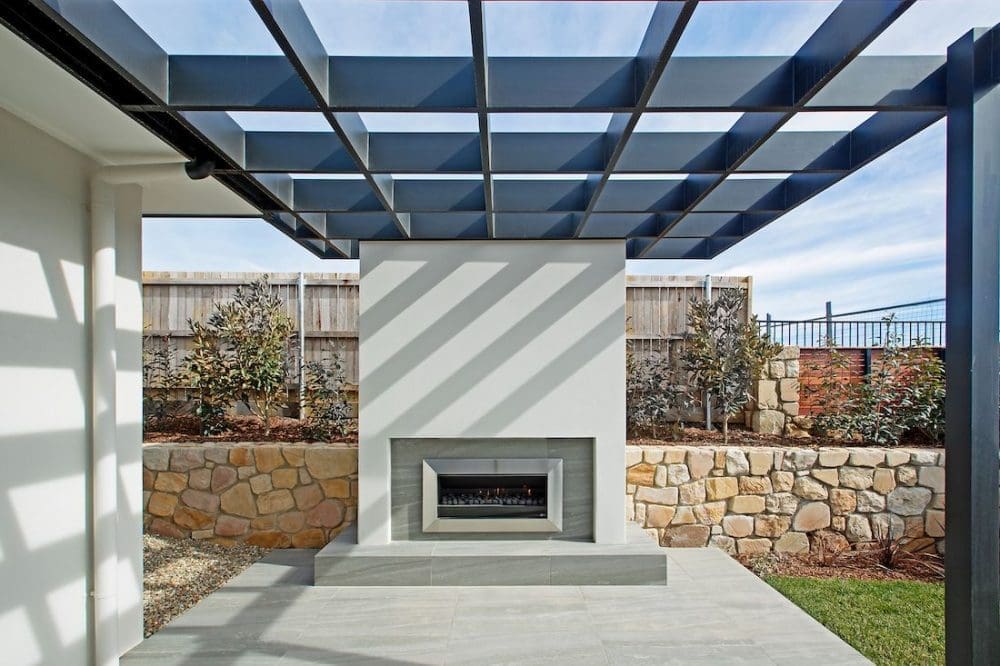
8. Stone cladding
Stone cladding has become one of the most sought-after exterior building materials for homeowners wanting to add depth and organic texture to their facade. Whether you’re building a modern home, contemporary farmhouse or luxurious retreat, stone creates a premium look that never goes out of style.
Available in everything from soft white and silver limestone through to warm sandstone, stacked quartz and dramatic charcoal or black slate, there’s a stone to suit almost every architectural style. Smooth-cut stone delivers a refined, contemporary finish, while rough-sawn or split-face stone adds depth, texture and a more natural aesthetic.
Natural stone remains a popular choice, but lightweight stone veneer has made the look more affordable and easier to install. Many homeowners are even tackling smaller stone cladding projects themselves, making it a great option for feature walls, entryways, retaining walls and fireplaces.
One of the things we love most about stone is how it creates a sense of continuity throughout a home. Repeating the same stone externally and internally — perhaps a blade wall that runs from outside into the entryway, or around a fireplace, feature wall or outdoor entertaining area — helps blur the line between indoors and out while creating a cohesive design.
Designer tip: Stone is at its most effective when used to highlight key architectural elements rather than covering every wall. A feature entry, chimney, column or garden wall is often all that’s needed to create a striking first impression.
9. Large format tiles and porcelain slabs
Exterior tiles have come a long way over the past decade. While feature tile pillars were once a staple of project homes, today’s large-format porcelain slabs create a far more refined, seamless and luxurious look.
Available in convincing stone, travertine, marble and concrete-look finishes, these oversized tiles can be used to clad entry walls, pillars and outdoor entertaining areas, delivering the look of natural stone without the ongoing maintenance or premium price tag.
Porcelain is also incredibly durable, making it an ideal exterior material. It’s resistant to fading, staining and moisture, while requiring very little maintenance to keep it looking its best.
Designer tip: The secret to achieving a high-end finish is choosing a grout colour that closely matches your tile. Minimising the contrast between the grout and tile helps the joins visually disappear, allowing the surface to read as one continuous architectural feature rather than individual tiles.
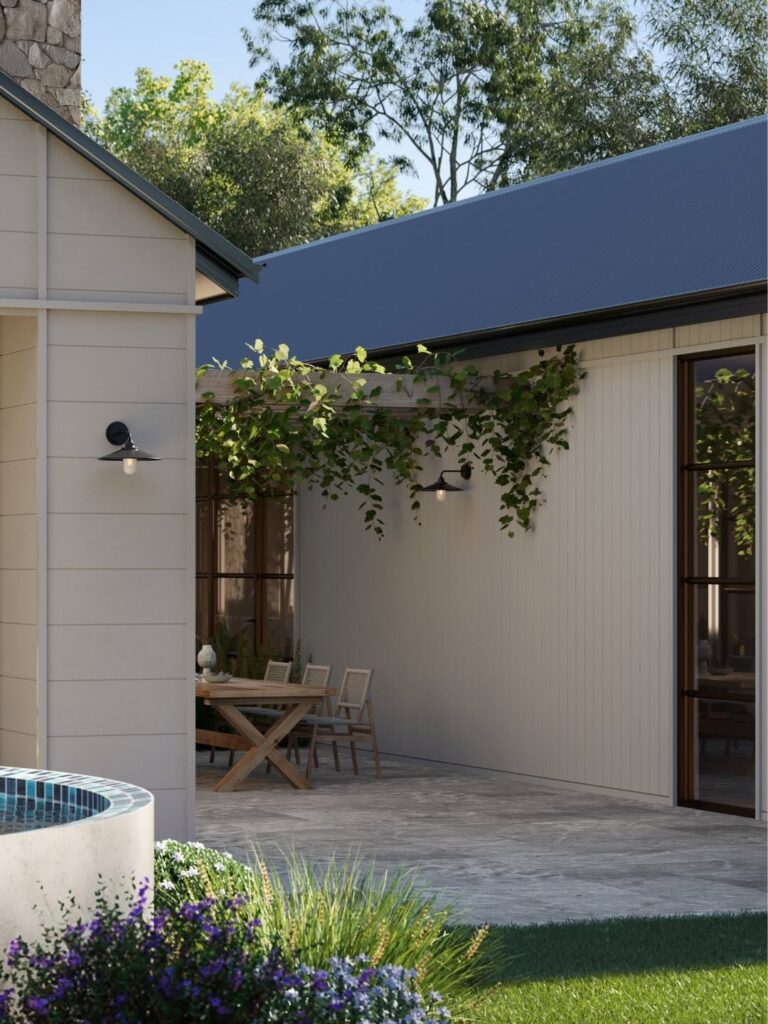
10. Fibre cement panels
Fibre cement cladding has become one of the most versatile exterior building materials available, offering the look of timber, render or architectural panels without many of the maintenance concerns associated with traditional materials.
Today’s products are available in an impressive range of profiles, including vertical grooves, wide panels, weatherboards and smooth sheets, making them suitable for everything from Hamptons and coastal homes through to contemporary and Scandinavian-inspired designs.
Not only is fibre cement durable and low maintenance, it’s also resistant to termites, rot and Australia’s harsh weather conditions, making it a practical long-term investment.
If you’re sourcing your own building materials, be sure to get the right industrial equipment to secure them during transport. The last thing you want is for your panels to go sliding off the back of your ute down a highway!
Designer tip: Mix cladding profiles to create visual interest. For example, combine vertical grooved panels on upper storeys with weatherboards or brick below, then repeat one feature material—such as timber battens or stone—around the entry to tie the façade together.
Whether you’re building a new home or planning an exterior renovation, the right combination of materials can completely transform your home’s look and feel. Don’t be afraid to mix textures, combine complementary finishes and invest in a few standout features to create a facade that’s both timeless and uniquely yours.